More than 10,000 vacant plots across the city are now under the supervision of GBA, which is giving owners of vacant plots the warning that if they fail to clear the trash and keep it clean by August 15 they could be fined up to ₹1 lakh. It’s part of a larger strategy by the government to clean up the city, curb illegal dumping and bring about a public health threat on neglected private land. The government is hoping this will make the city cleaner and property owners have to keep up with the development of the land.
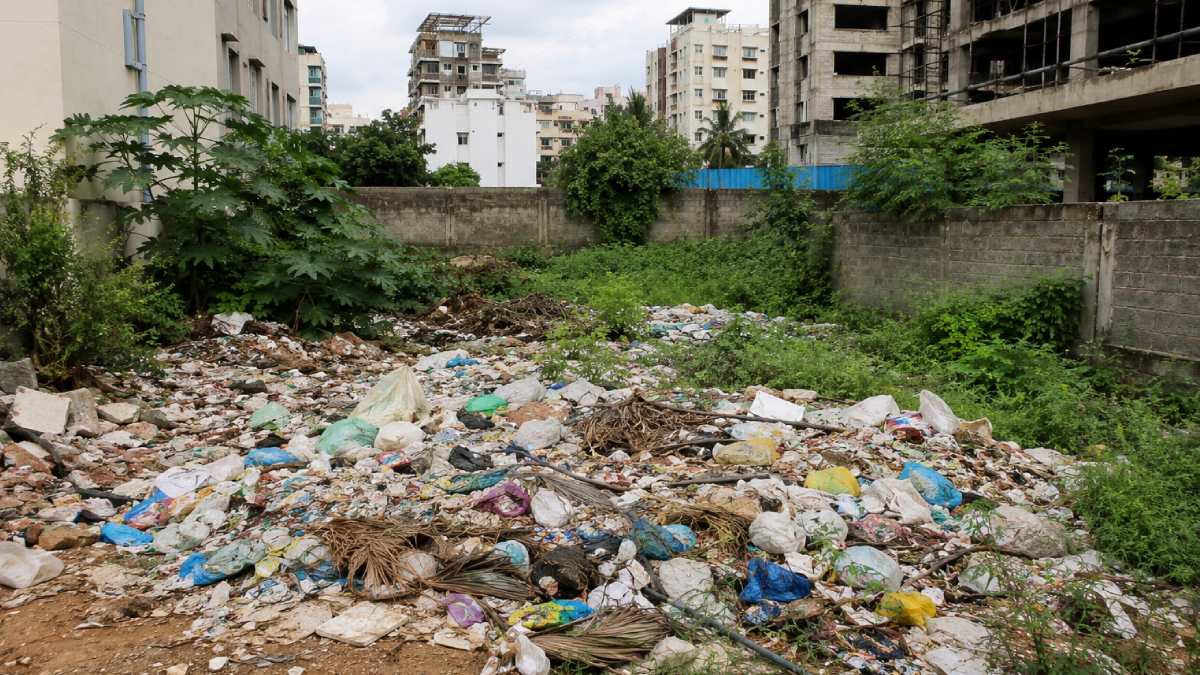
Many empty areas in Bengaluru are now illegally disposed of including household waste, plastic, construction debris, garden waste and other discarded material as the authority believes that we are not going to need that. These neglected plots are not only an eyesore but they are breeding grounds for mosquitoes, rodents, stray animals and reptiles so bad for the public health, in this case of dengue and malaria. With the monsoon season bringing stagnant water and mosquito-borne diseases such as dengue and malaria, the authorities have taken on tougher measures against non-compliant property owners.
Owners of vacant sites have been advised to clean up so that weeds and bushes are removed and water stagnation is not allowed and that their properties are properly maintained by August 15. But that is not only a legal duty and cannot happen without affecting the rest of the neighbourhood but also the city and its future and environmental status.
The Greater Bengaluru Authority has announced that inspection teams will begin extensive field surveys immediately after the deadline. These teams will go to vacant plots in different parts of Bengaluru to look for violations and to see that they are doing the right thing. If garbage or unmanaged vegetation is found, then they will take legal action according to municipal laws and will be fined up to ₹1 lakh. In some cases if the city is required to clean up the site itself the cost can also be recovered from the property owner as required.
And illegal dumping has become a continued problem in many rapidly developing municipalities where vacant land is often abused by the people who own and sell illegal waste and commercial buildings, the officials said. Such activities put a burden on municipal waste management systems and contribute to pollution, unpleasant odours, blocked drainage, and poorer living conditions for nearby residents, they said.
The civic body’s decision has been welcomed by the welfare groups of many residents and environmental groups that have long warned about abandoned plots becoming a site for garbage accumulation. Neglected properties are magnets for anti-social behaviour and lower the quality of life in residential areas, they say.
Urban planning experts have recommended the initiative as keeping vacant land is crucial for sustainable city management. Clean and well-maintained plots make waste and obstructions less common and will prevent flooding when stormwater drains are kept to a minimum. We do maintenance on private land and it increases the aesthetics of the surrounding properties.
The Greater Bengaluru Authority has advised the public to not dump garbage on vacant areas and to use authorised waste collection services provided by the civic body. Residents are also to report illegal dumping or neglected plots to the local government through official complaint channels, so that action may be taken immediately. Municipality involvement and enforcement at all levels will keep the city clean, officials say.
The directive is part of Bengaluru’s broader strategy to improve solid waste management and environmental sustainability in one of India’s most rapidly growing metropolitan cities. With population growth, civic authorities are also increasing the proportion of public space and sanitizing standards that are shared responsibility between government agencies, residents and private property owners.
There's a deadline of August 15 and property owners are advised to survey their vacant plots, clear up trash and trim vegetation and make sure the fencing is put in place where required. The intention of the campaign is not only to bring some punishment and to motivate citizens to take good care of their buildings but also to keep the city clean and healthy,” the Greater Bengaluru Authority said.