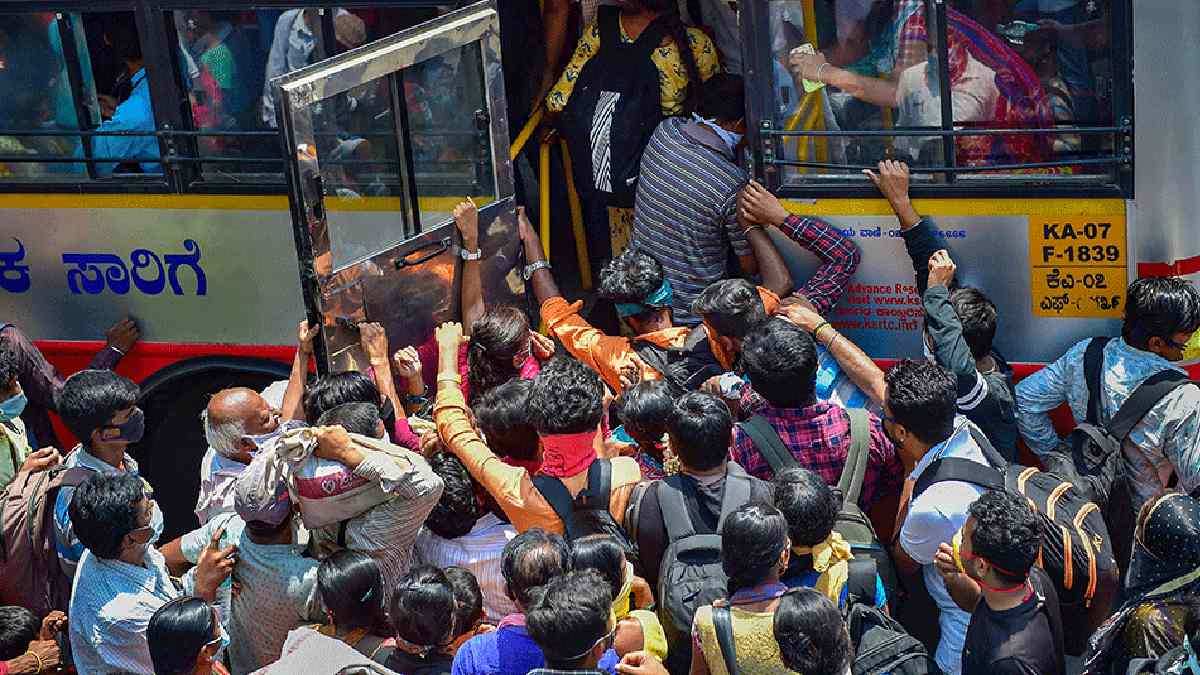
If rainfall is low, Bengaluru will have a serious water shortage in the next five to six months when rainfall is too low in the next five to six months if rainfall is below normal, water resource officials warned this week that Bengaluru would be in the most imminent water shortages in the coming five to six months
If it is less than normal in the city's main water sources, water resource officials monitoring the city’s main water sources are already concerned with the lack of rainfall that it could cause a water shortage in the city’s primary water sources.
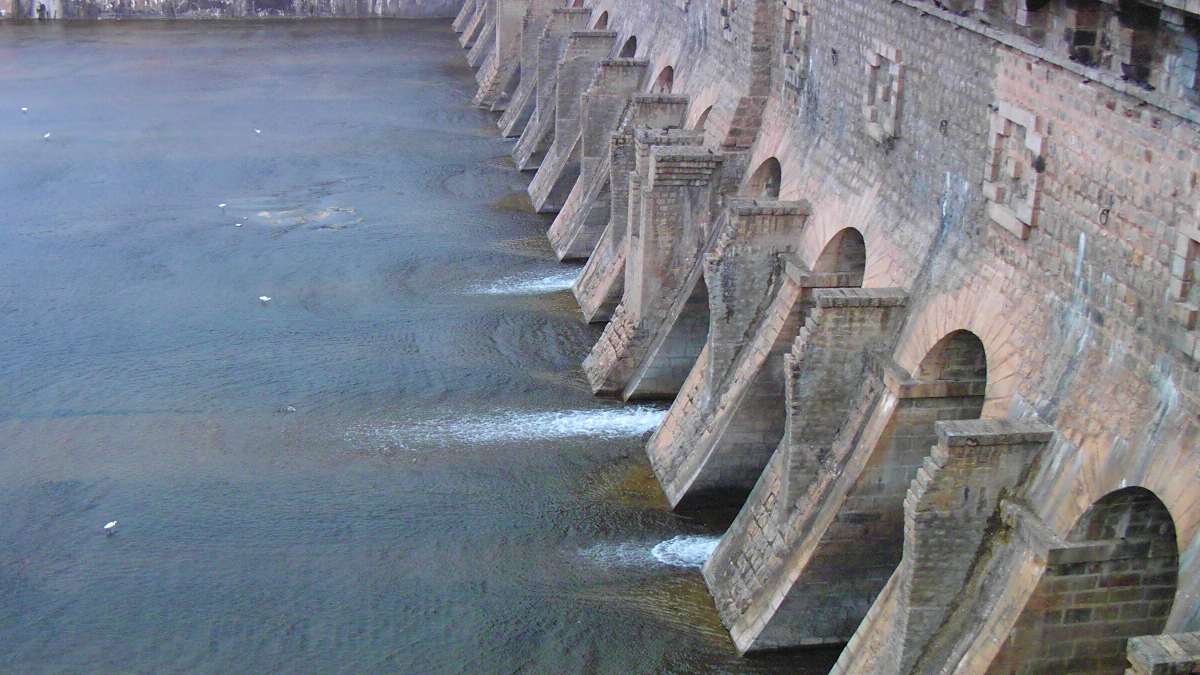
The situation is even worse given the lower than expected storage levels in Krishna Raja Sagara (KRS) Dam, one of the major reservoirs that are crucial for drinking water supply in Bangalore.
The city is heavily dependent on the Cauvery River for drinking water and the Bengaluru Water Supply and Sewerage Board (BWSSB) draws millions of litres every day. But weak monsoon rainfall in the Cauvery catchment areas has led to slower inflows into reservoirs and increased concerns about water availability in the upcoming dry season.
If rainfall does not get much better in the next couple of weeks, reservoir levels will not be enough to satisfy Bengaluru's growing water demand, officials say. By the end of the year or early next year, for instance, the situation may become critical if water consumption remains high.
The KRS Dam in Mandya district provides water supply for Bengaluru, Mysuru and all the surrounding areas, as well as irrigation. Water levels in the reservoir are monitored to check the impact of the monsoon season.
Experts say that for now, there is no immediate panic, so water use is a matter of behaviour and the public should start using water wisely.
Saving water today could reduce availability of water in the months to come. Even small adjustments like fixing leaking taps, water usage management, rainwater harvesting and recycling greywater can be made immediately.
The same warning also highlights Bengaluru’s long-term water management problems. Rapid urbanization, growing population, shrinking lakes and low groundwater levels have pushed the city to rely more on external sources of water.
In previous years of drought, Bengaluru experienced severe water shortages, and many parts of Bengaluru had to rely on expensive private water tankers to provide services for residents.
It is said that the water situation will be reviewed by the government constantly and if reservoir levels are not up to par, then conservation should be considered.
Citizens, businesses and residential communities should also be encouraged to take sustainable water management practices, officials added.
Environmental experts say that we need to enhance rainwater harvesting systems, restore lakes and wetlands to help in maintaining long-term water security in Bengaluru.
Future climate-related uncertainty with rain patterns is also important for better planning, they said.
Weather experts are hopeful that more monsoon showers in the coming weeks may also result in increased inflows to the Cauvery reservoirs. But until then, authorities will monitor storage levels and prepare contingency plans to ensure that drinking water supply remains uninterrupted for as long as possible, officials said.
Residents should be updated via official announcements and help with any water conservation efforts by civic authorities.
Responsible water usage right now will help Bengaluru avoid a much bigger crisis in the months to come.