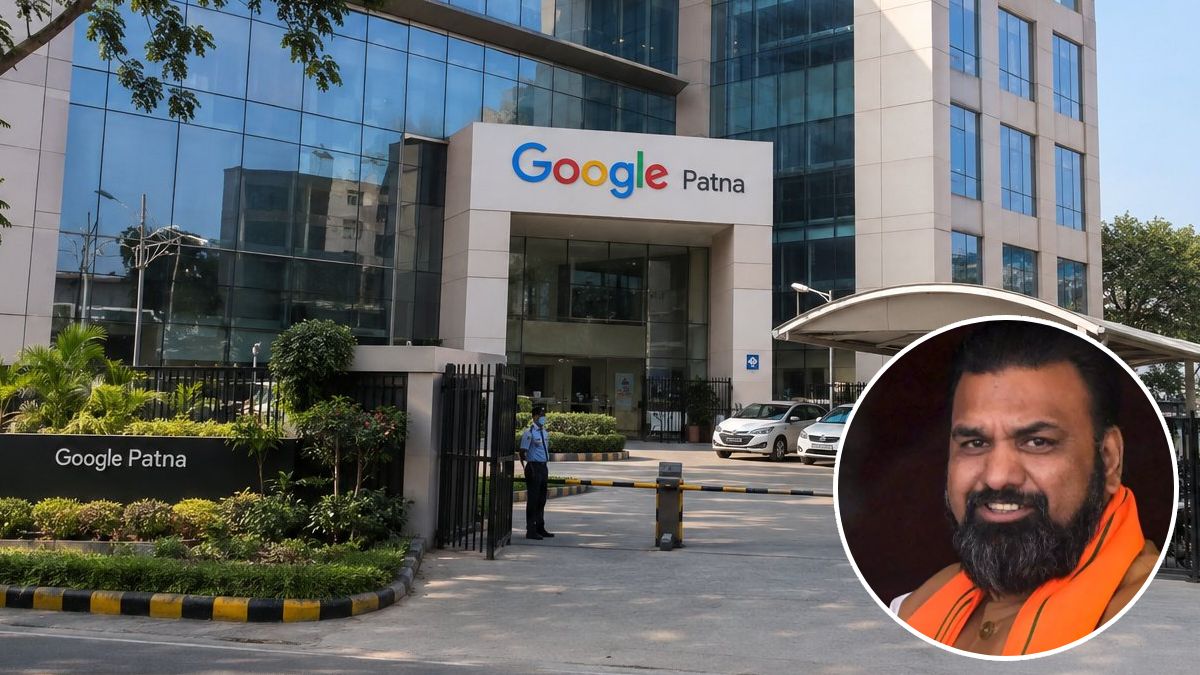
On June 10, Bihar Chief Minister Choudhary had a meeting at Bihar Bhawan with Google India Vice President Chandu Thota to discuss possible partnerships in technology, education, healthcare and agriculture. The meeting also focused on Bihar as a center for global capability centers (GCCs), using the new policy framework of the state to lure international investors.
At the meeting, Choudhary announced Bihar GCC Policy 2026, which gives firms in the state huge incentives by offering 30% tax in capital investment above ₹30 crore for all centers that create at least 25 jobs. This initiative is intended to increase employment opportunities for all, to curb youth migration and to make Bihar part of the digital economy.
The proposal has been polarised among the public. Proponents highlight the job creation potential and the opportunity to retain skilled youth in the state. They argue that partnerships with global companies like Google could change Bihar’s economy and help create new jobs and modernize sectors that are currently part of Bihar’s economy like healthcare and agriculture.
But skeptics have raised concerns about infrastructure readiness, law and order, and the skills gap. There is a question if Bihar is equipped to host the required ecosystem (power supply, advanced connectivity and skilled workforce) to support such a global capability center.
Despite these difficulties, the invitation to Google indicates Bihar’s ambition to be a competitive location for global firms. The state government wants to improve infrastructure and skill development, and that will help Bihar to meet expectations from international investors, the CM said.
Google has not yet offered a response to the proposal. The outcome of this dialogue could set Bihar’s future in the global technology ecosystem. If it is successful, not only jobs will be created but India’s digital transformation journey will change Bihar’s position.