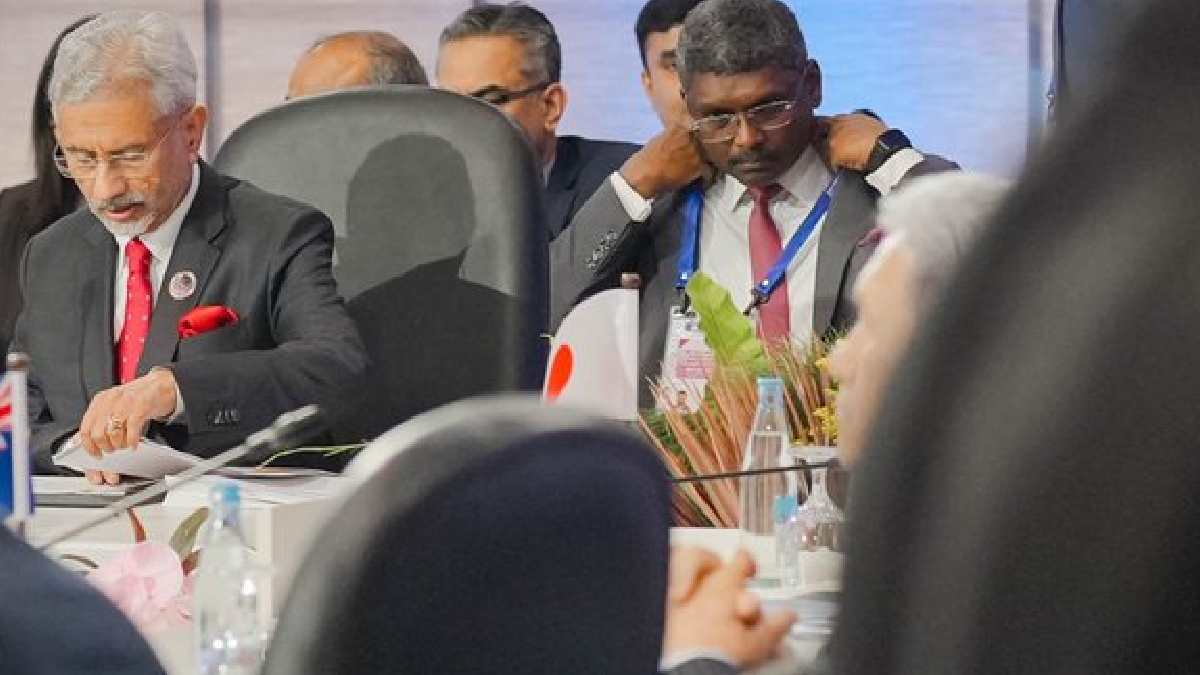
BJP plans to accelerate its engagement with Generation Z as part of a wider strategy to connect with India’s younger population. The scope of engagement will be students, first-time voters and young social-media users a sign that youth voices are increasingly important in the Indian political sphere.
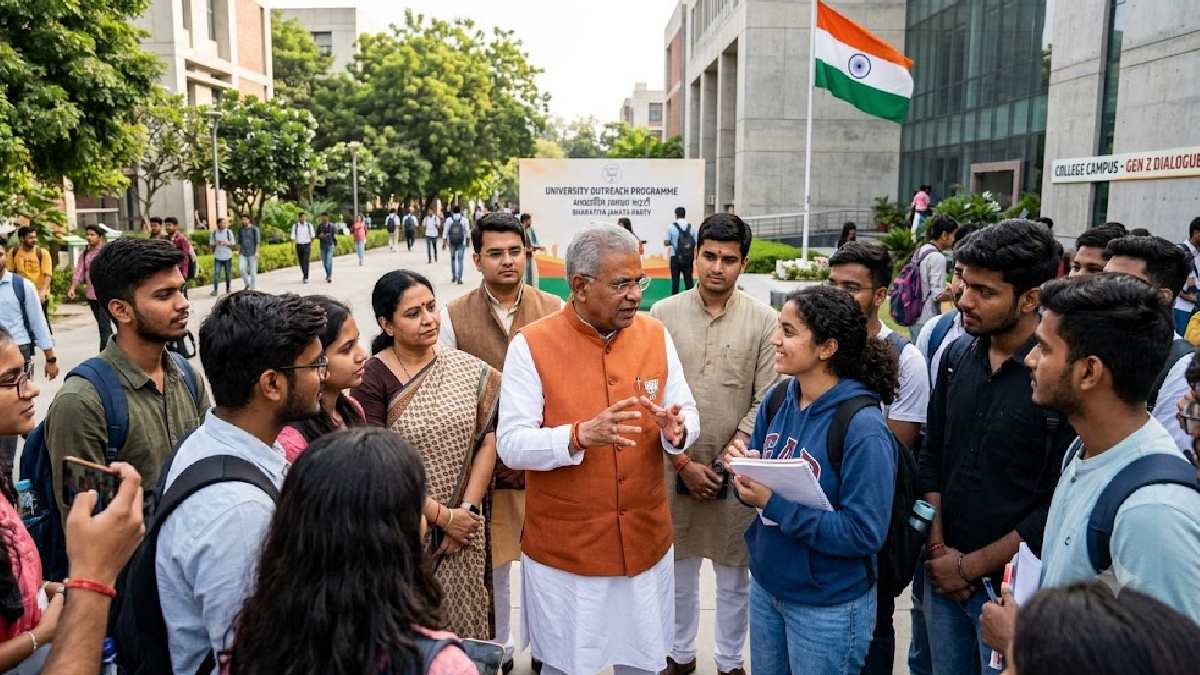
A BJP initiative is planned at a time when young Indians are increasingly involved in political conversations, and in digital terms. And rather than just focusing on traditional campaigning, they are going to use new methods of communication to engage Gen Z through social media and on college campuses and with their direct conversations.
The outreach will be directed at the issues young people care about the most education, employment, entrepreneurship, technology and opportunities for career advancement, among others. The party could have more in common with students and young professionals to understand the issues that shape the views of first-time and younger voters, the party says.
Social media will still be an important part of the strategy. Gen Z spend so much time on the digital sphere that political debates, short-form videos and influencers and trending topics can quickly affect public discourse.
The BJP's youth campaign therefore may put more emphasis on platforms such as Instagram, Snapchat and Reddit as well as other existing digital channels.
The party is also looking at offline engagement. Student interaction at colleges, universities, hostels and coaching centres would allow BJP workers to hear directly from students. Such programs could be part of a larger strategy not only to present the party’s policies but also to seek feedback from young people on education and other issues in their daily life.
The renewed focus on Gen Z is also indicative of a more general political focus on youth issues and concerns. Student issues, examination systems, job opportunities and India’s workforce’s future are all more and more prevalent in public debate on the topic. As younger voters are more involved in elections and politics, so is political parties’ ability to involve this group.
The BJP could also put in more informal and relatable digital content. Short videos, interactive posts and youth-oriented campaigns can help political messaging reach audiences that don’t have to follow political news as a routine. But it isn’t so easy to make the communication seem authentic and more than just marketing.
Gen Z is not a partisan voting group of Indians. Young Indians have highly diverse views and priorities, and they have access to different education, location, employment status and life experiences that can affect their expectations and engagement.
So meaningful engagement will likely involve the party to tackle specific concerns and not a broad political messaging approach.
BJP’s planned Gen Z outreach appears to be part of an effort to tailor its political messaging to a changing electorate. How the initiative impacts support will depend on whether or not the party is able to listen to young people and respond to the issues they raise and what they feel is needed in this sense.
With the young population of India becoming more visible in public life in the near future, the BJP’s Gen Z strategy will be a big part of their political outreach in the future.