Recently, there was a fresh controversy over Meta's functioning in India after BJP MP and Chairman of the Parliamentary Standing Committee on Communications and Information Technology Dr. Nishikant Dubey asked the Meta CEO Mark Zuckerberg to apologise for removing Prime Minister Narendra Modi's video from the platform.
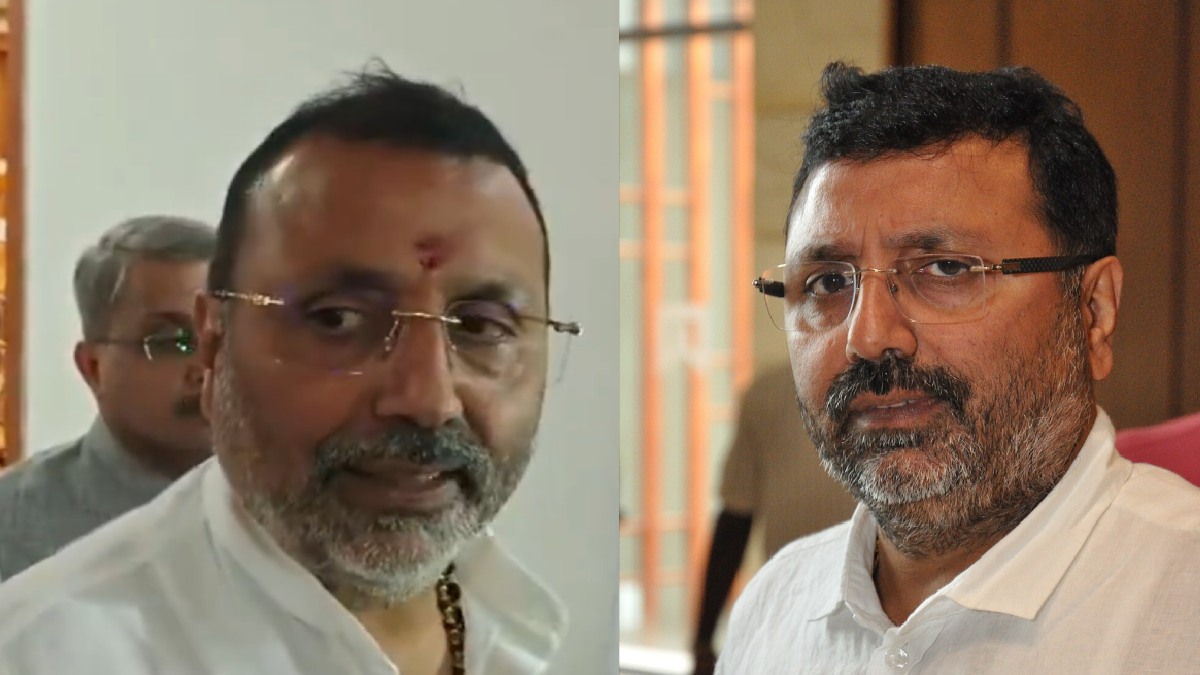
After chairing a meeting of the Parliamentary Standing Committee on Communications & IT in New Delhi, Dubey said Meta India's actions were nothing less than an example of a pattern of negligence and raised serious concerns about the way in which content involving India’s elected leadership was handled on the platform.
Dubey said the committee took the incident seriously, especially because the video of the Prime Minister was unavailable for nearly five hours.
According to him, the content was inaccessible from 12:30 a.m. to 5:00 a.m., after which Meta realized the content had gone missing. He argued that such a situation with the Prime Minister's official content could not be dismissed as an insignificant technical issue.
"This is not the first time Meta India has done this," Dubey said, recalling an earlier controversy involving Meta CEO Mark Zuckerberg's comments about India's 2024 general elections. He said Zuckerberg had later apologised for those words and this situation warranted a second apology from the top management.
The BJP leader also said the series of controversies around Meta was part of a bid to undermine India’s democratic institutions. When content about the country’s Prime Minister disappeared from the platform for a few hours, “it raised serious questions about accountability and transparency,” he said.
The Parliamentary Standing Committee has recommended that Zuckerberg apologize himself, Dubey said. If such an apology is not forthcoming, the government should withdraw Meta's safe harbour protection under Section 79 of the Information Technology Act, he said.
Safe harbour protection shields online intermediaries from liability for user-generated content as long as they comply with legal obligations and due diligence requirements. Losing this protection could expose platforms such as Meta to greater legal responsibility for the content hosted on their services.
Besides the issue of the Prime Minister’s video, Dubey also raised concerns over the presence of Child Sexual Abuse Material (CSAM) on digital platforms. Meta and YouTube have failed to remove such illegal content properly, he said, even though India has very tough regulations on such material.
He also claimed that the platforms have not acted on content involving abuse of women and accused them of failing to comply with directions issued by the Ministry of Home Affairs and the Ministry of Electronics and Information Technology (MeitY).
India has introduced more and more rigorous digital regulations in recent years that mandate social media platforms to react quickly to illegal content, cooperate with law enforcement and enhance user safety measures. The government has emphasized that intermediary platforms must follow Indian laws as part of their work in India.
Dubey also referred to Meta's legal action in Telangana, and said that the Chief Minister of the Congress-led state government has filed an FIR against Meta India. He said that this and other alleged violations strengthen the case for reviewing the company's intermediary protections.
The comments come amid increased scrutiny of big technology companies in India. Parliamentarians and government agencies have increasingly questioned how global social media platforms moderate content, debunk misinformation, protect children online and take measures to address requests from Indian authorities.
#WATCH | Delhi: After chairing the meeting of the Parliamentary Standing Committee on Communications & IT, Committee Chairman and BJP MP Dr Nishikant Dubey said, "...The second question is that Meta India removed the Prime Minister's content. This is not the first time Meta India… https://t.co/v05JlI7Vw4 pic.twitter.com/QwpPXCXmIQ
— ANI (@ANI) August 3, 2026
As of now, Meta has not publicly responded to the latest demands made by the Parliamentary Standing Committee. It is also not clear if the Prime Minister's video had been deleted due to a technical error, an automated moderation failure or another problem.
The controversy is likely to heighten the discussion of platform accountability, intermediary liability and global technology companies’ responsibilities in the digital regulatory environment in India.