A shocking case of alleged sexual exploitation involving a botany lecturer has come to light, raising serious concerns about the abuse of trust and authority by educators. Ravikiran, who has been arrested after police alleged that he sexually exploited a minor girl by deceiving her with false promises of love and marriage.
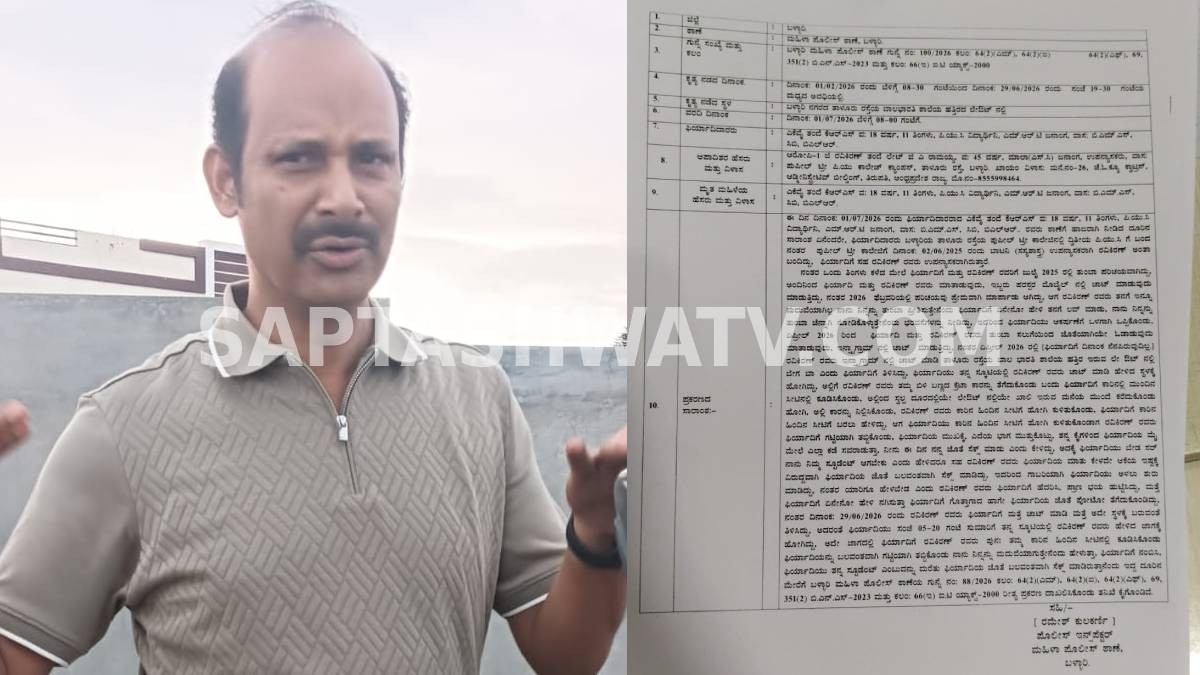
Ravikiran, according to the police investigation, had developed close contact with the minor over time and gradually gained her trust. He told her that he would marry her once she reached adulthood, investigators said. The victim believed him, and the accused used it to his benefit, they said.
The victim was a minor at the time of the alleged exploitation, making the case very serious under Indian law,” said police. After learning about the alleged exploitation, the girl’s family approached the police and filed a formal complaint. Officers filed a criminal case and immediately opened an investigation based on the complaint.
Police have booked the accused under relevant sections of the Protection of Children from Sexual Offences (POCSO) Act, and provisions of the Bharatiya Nyaya Sanhita (BNS) applicable to sexual offences against minors. The POCSO Act provides robust legal protection for children and prescribes severe punishment for individuals who are found to sexually exploit minors.
Following the registration of the case, law enforcement officials arrested Ravikiran and brought him before a local court. The court later remanded him to judicial custody until the investigation is completed.
Investigators are now examining the digital evidence– including mobile phone records, text messages, and social media conversations– to determine the extent of the alleged relationship and verify the sequence of events. Police are recording statements from the victim, her family members, colleagues of the accused, and other witnesses who might help with the investigation.
Some of the evidence still needs to be collected, and investigators are not ruling out that there is more to be uncovered as the investigation continues. There are still no previous complaints or allegations against the accused, the officers are looking into, they said.
The incident has drawn widespread outrage among residents and education staff. Some have worried that the educator who guides the students would use that position to target a vulnerable minor. Child rights activists have stressed the need for robust background checks and institutional vigilance, along with prompt reporting mechanisms to prevent such incidents.
Legal experts say that cases involving minors are treated with utmost seriousness under Indian law. The victim is protected by law, and media organizations are to ensure that no information is disclosed that discloses the child’s identity.
Psychologists and child welfare groups have also pointed out the emotional trauma such incidents can have on young victims. Counseling, legal assistance, and family assistance throughout the judicial process are needed to help individuals recover and get justice, they say.
Police have asked the public not to spread unverified information on social media and speculate about the case. The accused will be presumed innocent in court, and the evidence presented in court will decide that, too, authorities said.
The case is another reminder to protect children and their families from exploitation and encourage victims and their families to report abuse without fear. Law enforcement agencies have assured that a thorough, fair, and transparent investigation will be conducted to ensure accountability in accordance with the law.