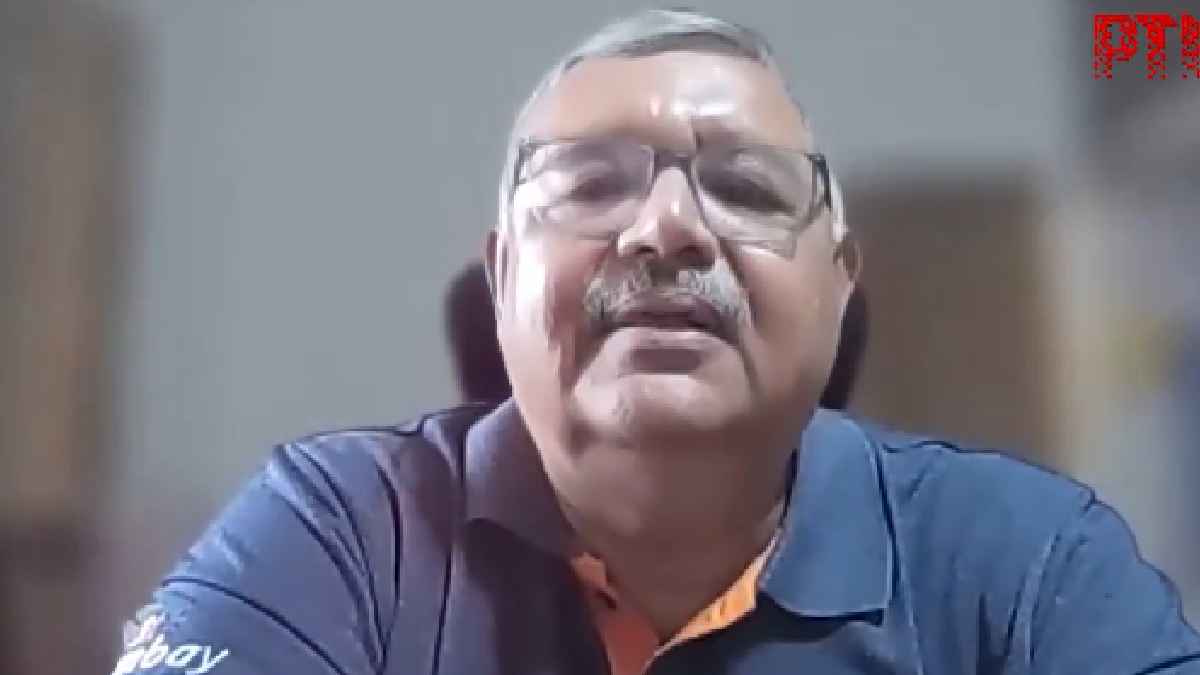
CPI(M) leader Mutharasan has asked the Tamil Nadu government to hold another all-party meeting on the Cauvery water issue and call for more political dialogue on the long-standing interstate dispute.
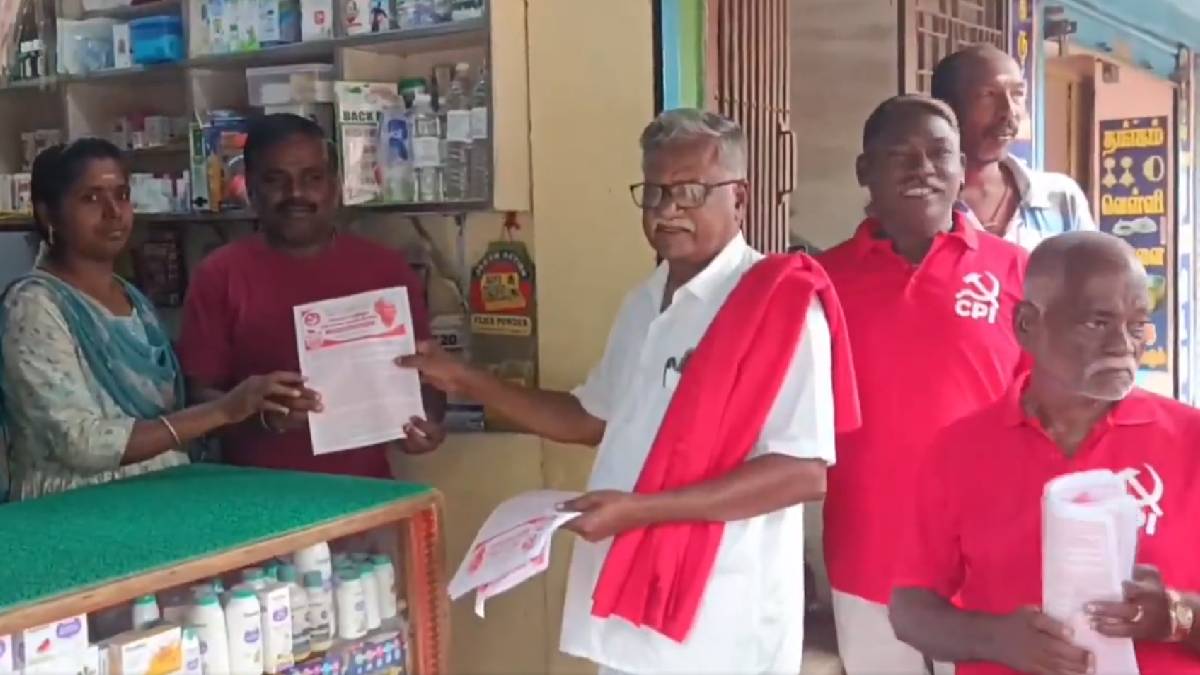
Mutharasan’s demand comes as there is still political and public debate over the sharing of Cauvery river water between Tamil Nadu and Karnataka. Political tensions have always erupted in both states, especially during periods of poor rainfall and less water availability.
“TN govt should call for another all party meeting on Cauvery issue.”
— News Arena India (@NewsArenaIndia) August 8, 2026
- CPI(M) leader Mutharasan pic.twitter.com/GsEHvQVSkc
As Mutharasan said, “TN govt should call for another all-party meeting on Cauvery issue.” His statement underlines the necessity of bringing political parties together to discuss the state's position and develop a coordinated approach.
The Cauvery dispute is one of India’s longest-running interstate water disputes. It starts in Karnataka and flows through Tamil Nadu before reaching the sea - so sharing of water is important for farmers and communities in both states.
The issue becomes particularly sensitive during the agricultural season when farmers in both Karnataka and Tamil Nadu depend heavily on water from the river and its reservoirs.
Tamil Nadu has always maintained that it is entitled to its prescribed share of Cauvery water under the legal and regulatory framework of the river. Karnataka has repeatedly said: “We need to balance downstream obligations with farmers and drinking water needs in the state, particularly when reservoir levels are low.”
All these competing demands have at times resulted in protests, political statements and legal interventions.
An all-party meeting could give political parties of Tamil Nadu a chance to address the most recent developments and the idea of state government strategy together. And such meetings are often held to discuss issues that pertain to people’s lives beyond political parties.
Mutharasan's call also comes as the politics of the Cauvery is becoming more and more heated. Differences between Karnataka and Tamil Nadu over water releases can quickly become politically charged, especially when water availability is affected by monsoon conditions.
For farmers in the Cauvery delta area, the issue is directly connected to agricultural livelihoods. Water availability impacts crop planning, irrigation and farm incomes. Bengaluru and other parts of Karnataka need drinking water as well, so reservoir management is a highly sensitive water issue in the state.
The dispute is therefore not just a political issue but a water-management issue with agriculture, drinking water, rainfall patterns, reservoir storage and legal obligations.
Tamil Nadu’s political leadership has tried in the past to maintain a unified position when negotiating or litigating on the Cauvery issue. An all-party meeting can thus strengthen the approach by allowing parties with opposing political positions to discuss common concerns.
At the meeting, we might also have time to discuss recent developments, water availability, and how the states have to respond to decisions made by the relevant authorities.
The Cauvery issue has repeatedly shown how quickly interstate water disputes can affect public sentiment. In both states, political leaders are driven by farmers and citizens to protect the interests of their respective states.
Mutharasan’s latest statement thus adds to calls for political coordination in Tamil Nadu at a time when the dispute remains sensitive.
Any future meeting will likely be about water releases, reservoir storage, agricultural requirements and the legal mechanisms for Cauvery water sharing.
For now, the CPI(M) leader’s demand puts the focus on the Tamil Nadu government’s next move. Whether an all-party meeting is convened could determine whether the state seeks to develop a fresh consensus on the issue before approaching the matter through administrative, legal or political channels.
With the Cauvery still an important lifeline for communities in Karnataka and Tamil Nadu, political leaders will continue to press for solutions that are fair and sustainable for all farmers and solve the larger problem of equitable and sustainable water use in order to help communities in both Karnataka and Tamil Nadu.