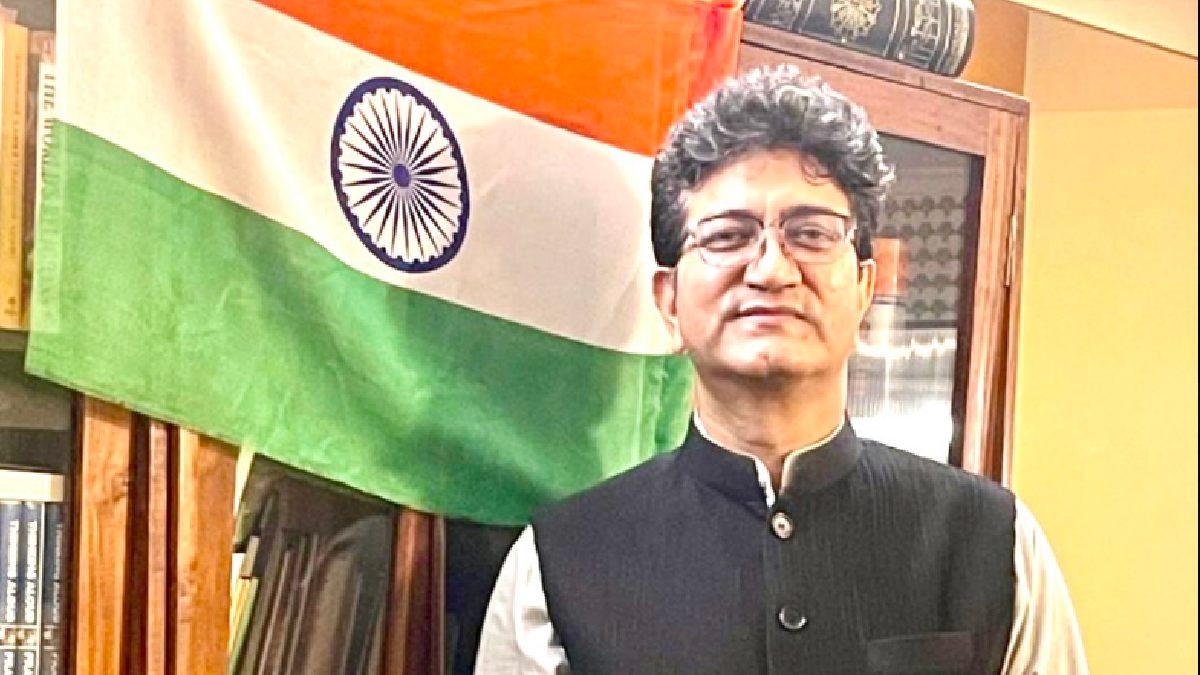
In a serious effort to rebuild India’s film industry, the central government has developed a two-pronged strategy on policy reforms and expanding cinema infrastructure. This includes the formation of a high-level committee headed by former CBFC chief Prasoon Joshi and a plan to encourage states to adopt a common regulatory framework for cinema halls.
Based on this, the decision to take those measures was made at a high-level review meeting by Information and Broadcasting Minister Ashwini Vaishnaw, who instructed officials to take a step to support film production, distribution and the entire cinema ecosystem in the country, and to improve the quality of the cinema ecosystem as well as in general.
The newly formed study group, led by Prasoon Joshi, will review the present and future opportunities for the Indian film industry. The committee will propose reforms that will make Indian cinema more global and address structural problems facing filmmakers and producers.
The panel will look at the following concerns: access to finance, funding issues for filmmakers, and how emerging technologies (like artificial intelligence, virtual production and digital content creation) will affect a film in all aspects of the production process and which are the most important ones.
The committee will also hold conversations with filmmakers, producers, distributors, exhibitors, industry associations and state governments to identify best practices and develop a long-term policy framework for the sector. The panel has been asked to submit its recommendations within 3 months.
Alongside the policy review, the Centre has circulated Model State Cinema Regulations to all state governments in order to standardise the process of establishing and operating cinema halls across India.
The current approval and licensing processes vary substantially from one state to another, officials said, and the delays and additional compliance burden for investors are often high. These regulatory differences have contributed to the slow growth of cinema infrastructure in smaller cities, semi-urban and rural areas where the number of theatres is still limited.
The proposed model regulations shall simplify licensing procedures and reduce administrative burden and enhance the regulatory environment for cinema operators. The Centre has asked states to implement the framework and to provide some assistance in implementing the new regulations.
The two interventions are part of the government’s larger vision of helping develop the rapidly expanding entertainment industry in India by overcoming creative and infrastructure challenges. In all these areas and more, the Centre is to provide for filmmakers, exhibitors, investors and audiences in an environment in which finance and policy reform are encouraged, and cinema halls are easy to create.
Consumers and industry analysts believe that the reforms will also help to accelerate the growth of multiplexes and single-screen theatres in underserved areas in India and make India’s film industry more competitive in the global entertainment market. The proposed regulations must be adopted by most states in the event that they can be used and be much easier for the exhibition sector to operate and the cinema ecosystem will evolve in the long run in India.