Citi, a global brokerage firm, has turned increasingly bullish on India's downstream oil marketing companies (OMCs) arguing that the current global energy market offers the best operating environment for refiners in the past few years. Soft crude oil prices and strong refining margins, it said, put India’s state-owned refiners in a “sweet spot” that is more attractive than upstream oil producers.
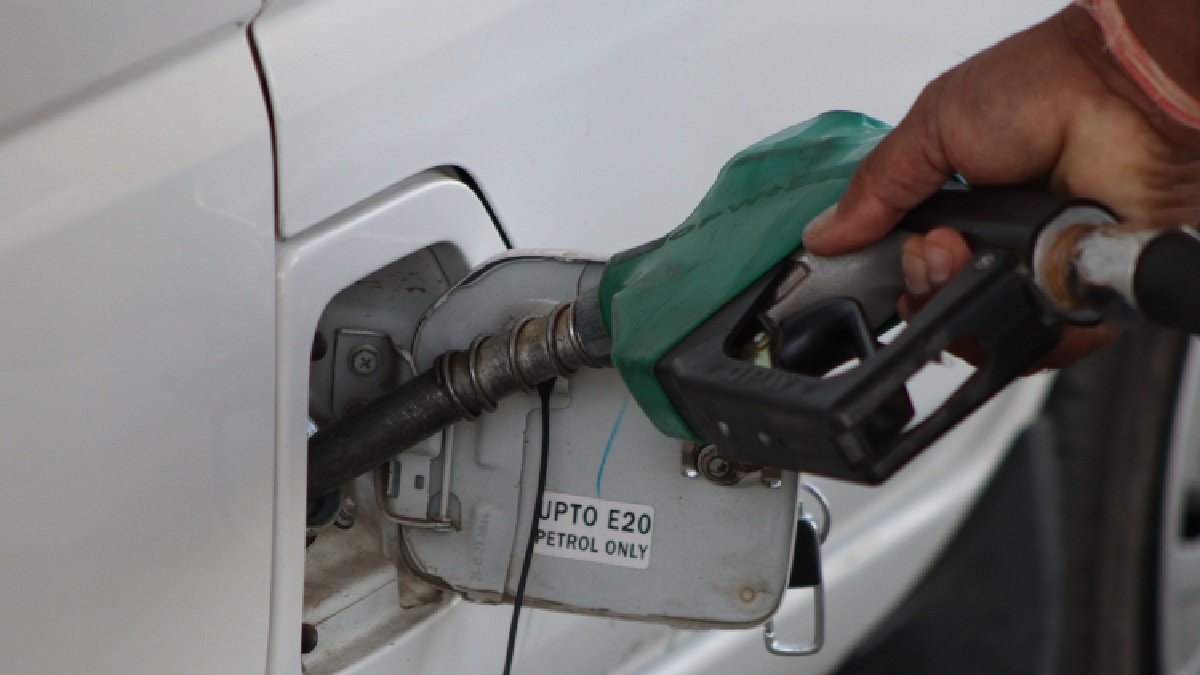
Citi’s outlook reflects a much wider sentiment in the oil and gas industry in which falling feedstock costs and robust demand for refined petroleum products are helping downstream businesses to improve profits in a situation where global economic uncertainty is a concern.
Why Citi Prefers Downstream Companies
According to Citi, the biggest advantage for downstream companies is a current imbalance between crude oil prices and refined fuel prices.
Global crude supplies have remained relatively plentiful, keeping benchmark crude prices under pressure. However, the supply of refined products such as petrol, diesel and aviation fuels has tightened due to refinery maintenance, geopolitical uncertainty and strong seasonal demand. This has pushed up gross refining margins (GRMs), which are the difference between the cost of crude oil and the selling price of refined fuels.
Higher refining margins directly increase the profitability of companies that refine crude into petroleum products, which in turn means a huge boost for downstream firms.
IOCL becomes Citi's top pick
Citi has identified Indian Oil Corporation (IOCL) as its preferred investment in India's public sector refiners followed by Bharat Petroleum Corporation Ltd. (BPCL) and Hindustan Petroleum Corporation Ltd. (HPCL).
IOCL's network of refining plants, pipeline and retail in the entire nation is well situated to benefit from stronger integrated margins. And once new capacity is fully operational, we expect ongoing refinery expansion projects to drive long-term earnings growth and also make for more growth in the company’s bottom line.
BPCL and HPCL are also expected to benefit from favourable refining economics, but each company faces different operational and capital expenditure challenges.
Understanding the "Sweet Spot"
For oil marketing companies, profitability depends on two major things:
Cost of crude oil (their main raw material). Selling prices of refined petroleum products
When crude prices remain relatively low and prices of refined fuels remain high, refiners can make a bigger margin.
This favourable combination is exactly what Citi believes the industry is experiencing today.
In contrast to upstream producers earning more as crude prices increase, downstream companies generally perform better when crude prices remain moderate and refining spreads remain healthy.
Why Citi is cautious about ONGC?
While Citi is optimistic about downstream players, it has taken a more cautious stance on upstream state-owned enterprises - particularly Oil and Natural Gas Corporation (ONGC).
The brokerage noted that ONGC has a number of headwinds beyond the softer crude prices.
An additional problem is the increasing role of the company in supporting government activities. In the recent past, ONGC has been asked to help develop India's Strategic Petroleum Reserve (SPR) infrastructure, which will require an ambitious capital investment outside its traditional exploration and production business.
Such government-driven responsibilities may have an impact on the allocation of capital and may even limit shareholder returns in the near term.
Also, upstream companies generally benefit from higher oil prices. If crude prices keep low, they will be less profitable in revenues compared to refiners.
The Global Oil market Favors Refiners.
The macroeconomic environment is now tilted in the favour of downstream companies.
Due to the rising geopolitical tension in the Middle East, global crude production has remained relatively resilient. At the same time, refinery outages, capacity constraints in some regions and healthy demand for transportation fuels has led to better refining margins.
That environment may also continue to benefit integrated refiners as long as crude prices remain stable and governments do not put a heavy price curb on retail fuel markets.
Risks Investors Should Watch
While Citi’s outlook is positive, the brokerage said that a number of risks might quickly change the earnings outlook for Indian OMCs.
A sharp rise in global crude oil prices would immediately increase input costs and could compress refining and marketing margins if domestic fuel prices are not adjusted accordingly. Government intervention in fuel pricing, changes in subsidy policies, inventory losses due to sudden price swings, and geopolitical disruptions in major oil-producing regions also remain important variables. Recent brokerage reports have shown that when crude prices surge sharply, upstream companies tend to benefit while OMC profitability comes under pressure.
Outlook
Citi’s recommendation is a sign of confidence that India's downstream oil marketing companies are entering a period of stronger earnings with good refining economics. With lower crude costs, healthy product demand and expansion of refining capacity, IOCL, BPCL and HPCL are well-placed to benefit if current market conditions are sustained.
But the sector is very sensitive to crude prices and government action and global geopolitical events. Investors would need to keep an eye on international oil markets, as even modest changes in crude prices can have a massive impact on downstream refiners and upstream energy producers.