Now the funding of the Cockroach Janata Party (CJP) is in trouble after the CJP was accused of a complaint with the Election Commission of India (ECI) concerning the funds collected by the youth-led movement.
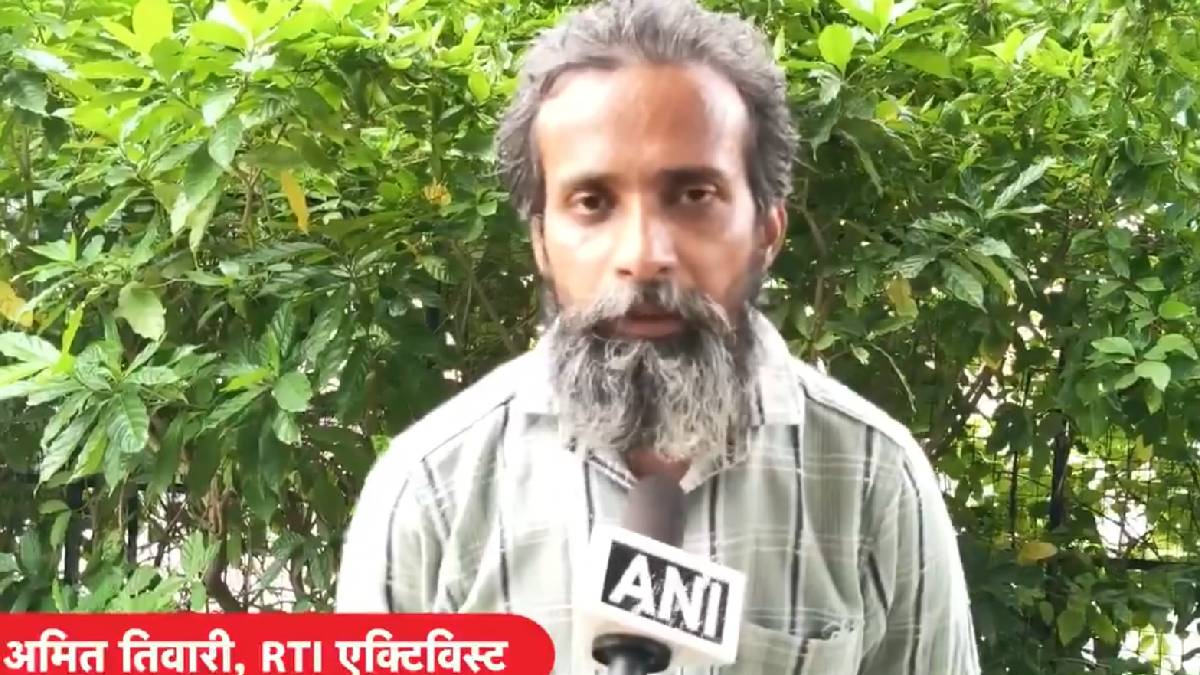
The complaint has raised doubts over how CJP collected public donations and what legal or regulatory framework the funds were raised under. The details of the complaint (name of complainant and specific allegations) are still to be established, but the development has led to a debate about transparency, accountability and political or civic fundraising policies.
BIG NEWS 🚨 Complaint has been filed with the Election Commission over funds collected by CJP. pic.twitter.com/CodFvseSR6
— News Algebra (@NewsAlgebraIND) August 1, 2026
CJP became an especially popular youth-oriented movement during protests related to examinations and the alleged lapses of the education system in India. A group that protested, waged online campaigns and mobilised public attention. It later launched an online fundraising campaign to assist protesters who were likely to be taken into legal action for demonstrations.
The organisation had said donations collected through the initiative would be used to support legal aid efforts. The fundraising campaign was said to be asking the public for donations, even small ones, to help protesters get legal representation and assistance.
But the complaint to the Election Commission has raised the question of whether that collection and use of such funds should now be under more scrutiny.
It should be kept in mind that filing a complaint does not imply wrongdoing. A complaint is a request for an investigation, and if the Election Commission takes cognizance of the matter or questions it or starts a formal review, it will be a question.
The issue may also involve questions about CJP’s legal and organisational status. Some online materials in support of the movement portray CJP as a civic or satirical movement rather than an electoral political party. Election-related funding rules may not apply if the organisation is of that type, the purpose of the funds, and the legal framework under which the money was collected.
The Election Commission could check if the complaint is within its jurisdiction and if any relevant election or political finance laws apply. Depending on the details of the complaint, officials could query the source of contributions, the method by which donations were collected, the purpose of the donations and how money was managed.
The controversy has also renewed calls for transparency in public fundraising by political movements and civic organisations. Supporters of CJP may argue that the donations were intended to provide legal support to protesters and assist individuals facing legal cases. Critics, meanwhile, may demand greater disclosure about the collection, management and utilisation of the funds.
The development comes as CJP’s protest movement drew widespread attention and they reached several commitments with the Centre on education reforms and protesters. The protest was discontinued, but the movement did not stop, and it was still protesting against what it says is alleged action against them.
Even so, there has been no public finding of whether CJP violated any law or regulation relating to its fundraising activities. This matter is a complaint, of course, and any official response from the Election Commission or clarification from CJP would make things much clearer.
The issue is likely to gain further political and public interest as CJP has emerged so quickly as a youth-oriented movement and has been a focal point of a nationwide wave of protests. The Election Commission’s next big step is whether the complaint is acknowledged, if it seeks information, or if it determines that the matter falls outside its regulatory jurisdiction.
Until the decision is made, the allegations should be considered unverified claims, not facts.