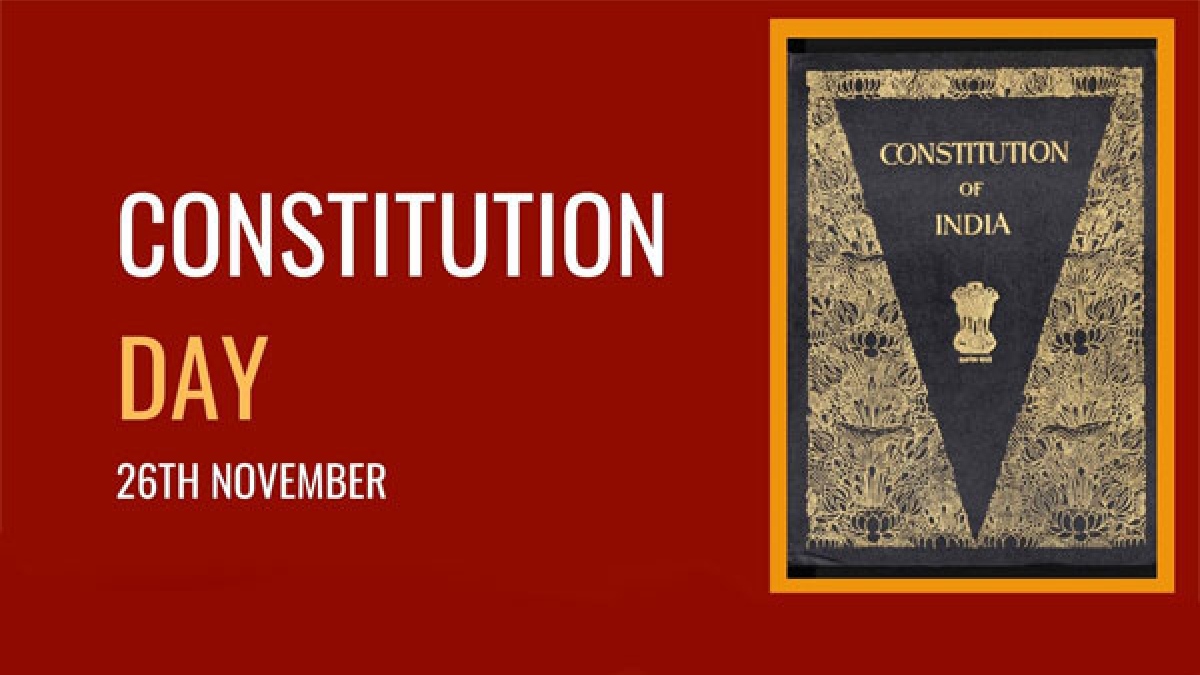
Constitution Day, or Samvidhan Diwas, is celebrated across India on November 26th every year. This date holds monumental significance as it marks the day in 1949 when the Constituent Assembly of India formally adopted the Constitution of India. Although the Constitution officially came into effect on January 26, 1950, November 26th is the milestone that celebrates the moment "We, the People of India," gave themselves the foundational legal document of the Republic.
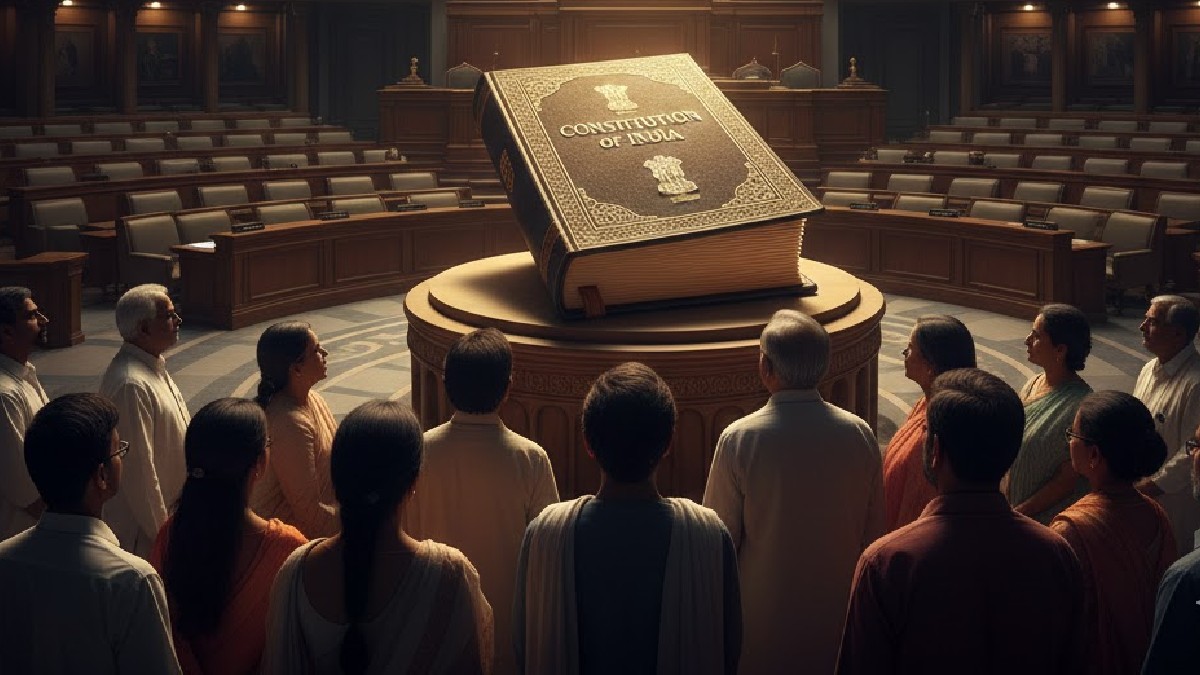
In 2015, the Government of India officially notified November 26th as Constitution Day to promote constitutional values among citizens and to honor the immense contribution of Dr. B. R. Ambedkar, the chief architect of the Indian Constitution.
The History: Why November 26th?
The journey to the Constitution began shortly after India gained independence. The task of drafting the supreme law of the land was entrusted to the Constituent Assembly.
The Role of Dr. B. R. Ambedkar
Dr. Bhimrao Ramji Ambedkar, India's first Law Minister, chaired the seven-member Drafting Committee of the Constituent Assembly, which was set up on August 29, 1947.
Architect of the Constitution: Dr. Ambedkar tirelessly studied the constitutions of over 60 countries, synthesizing the best features and tailoring them to India’s unique social, cultural, and political fabric.
Time Taken: The Constituent Assembly took 2 years, 11 months, and 18 days to finalize the Constitution, holding numerous sessions and considering thousands of amendments.
The Adoption: After meticulous debate and revisions, the Constituent Assembly formally adopted the final draft of the Constitution on November 26, 1949. The members signed the document, and some provisions, mainly relating to citizenship, elections, provisional parliament, and temporary and transitional provisions, came into force immediately.
From Law Day to Samvidhan Diwas
Before 2015, November 26th was traditionally observed as National Law Day. The shift to Samvidhan Diwas in 2015 was a dedicated tribute to Dr. Ambedkar on the occasion of his 125th birth anniversary, emphasizing his pivotal role and the importance of constitutional values for every citizen, not just the legal fraternity.
The Significance: The Soul of the Republic
The Constitution is the longest written Constitution in the world, containing 395 Articles, 22 Parts, and 12 Schedules (as of its adoption). Its significance lies in the core values it enshrines:
1. Upholding Core Values
The Preamble, the philosophical soul of the Constitution, declares India a Sovereign, Socialist, Secular, Democratic, Republic. It guarantees to all its citizens:
- Justice: Social, economic, and political.
- Liberty: Of thought, expression, belief, faith, and worship.
- Equality: Of status and opportunity.
- Fraternity: Assuring the dignity of the individual and the unity and integrity of the Nation.
2. Fundamental Rights and Duties
The Constitution empowers the citizen by guaranteeing six Fundamental Rights (Part III), which are enforceable by the courts. Furthermore, the 42nd Amendment in 1976 added Fundamental Duties (Article 51-A), serving as a crucial reminder that rights and duties are co-relative, requiring citizens to observe basic norms of democratic conduct.
3. The Foundation of Democracy
It establishes the structure, functions, powers, and procedures of the government, creating a stable framework for the world’s largest democracy. It meticulously divides powers between the Legislature, the Executive, and the Judiciary, ensuring checks and balances.
4. A Living Document
The Constitution is not static. Its provisions for amendment (Article 368) allow it to evolve and adapt to the changing needs and aspirations of the society, making it a "living document" that has successfully guided India through over seven decades.
Celebrating Constitution Day 2025
The celebration of Samvidhan Diwas is a nationwide effort aimed at civic awareness and education. Key activities include:
Reading the Preamble: The most central tradition is the mass reading of the Preamble to reaffirm commitment to the constitutional values. This is often led by the President and conducted across all government offices, schools, and Panchayats.
- Digital Initiatives: The Government often launches digital versions of the Constitution in various regional languages, along with commemorative booklets and online quizzes to engage citizens.
- Educational Programs: Seminars, debates, essay competitions, and cultural events are organized at educational institutions to discuss the Constitution, the rule of law, and the legacy of its framers.