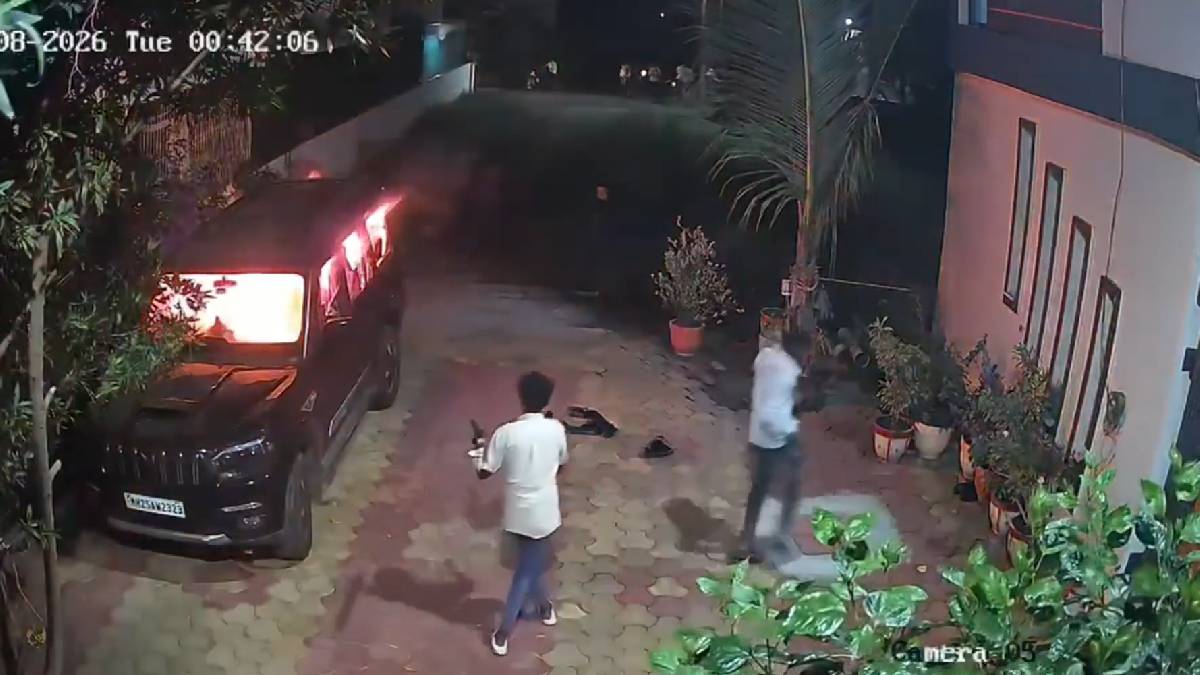
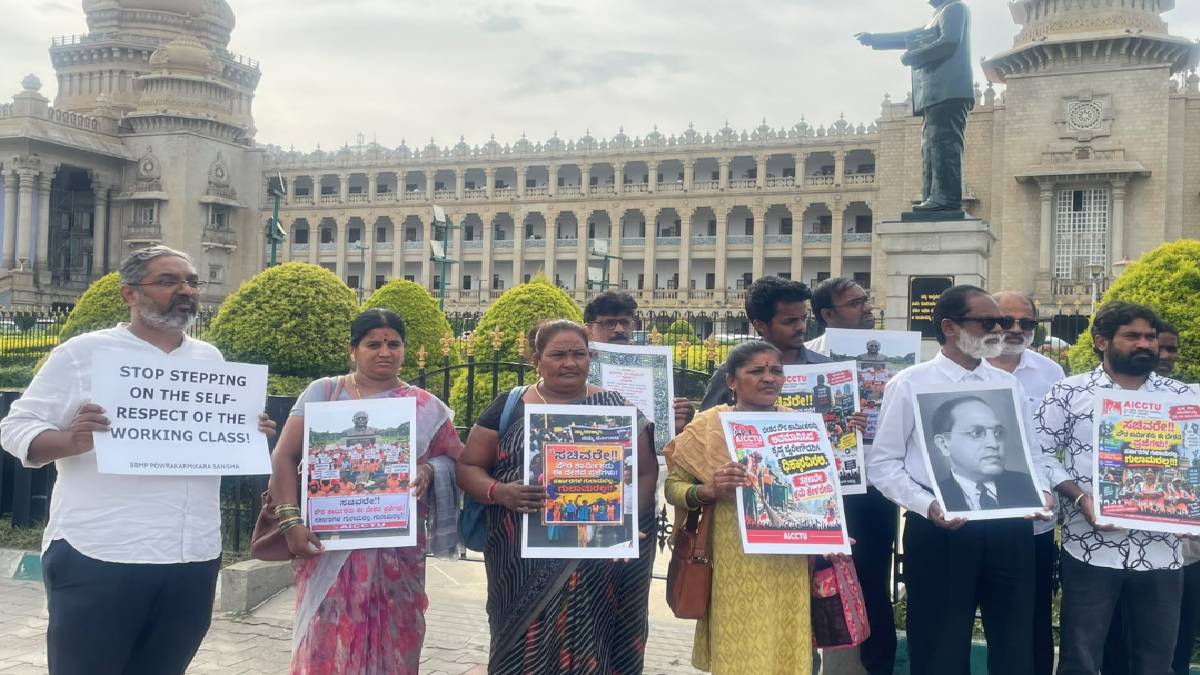
Darshan Thoogudeepa, who is in Parappana Agrahara Central Prison for the Renukaswamy murder case, has moved the Karnataka High Court for permission to appear physically before the Sessions Court in the presence of the key witnesses. The plea has ignited a debate on the rights of an accused person, security concerns and the speed of a high-profile criminal trial.
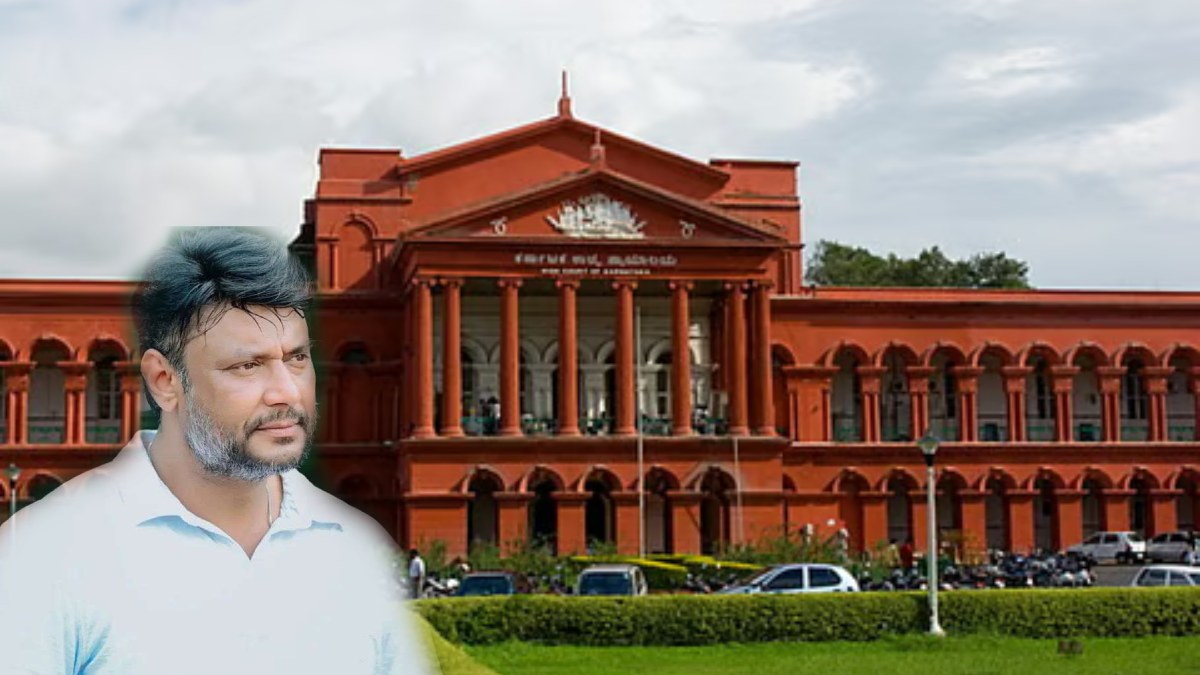
The petition was before Justice V. Srishananda of the Karnataka High Court. The court considered various alternatives and even suggested a unique solution based on the trial of former Tamil Nadu Chief Minister J. Jayalalithaa in the disproportionate assets case. The judge proposed that important witness examinations could be conducted in the court complex in the Parappana Agrahara prison premises so that Darshan would not have to be transferred frequently between the prison and the Sessions Court.
Darshan’s legal team maintained that being in video conferencing was not enough, and that crucial witnesses are being cross-examined in the case and need to be physically present. Senior advocate Hashmath Pasha, who represented Darshan, claimed that the accused has a legal right to be physically present during important parts of the trial.
But Justice Srishananda observed that today’s video conferencing technology offers better audio and communication than in the courtroom. Technology must be used in court to promote the smooth course of trials, he said. To address defence concerns, the court added additional precautions to Darshan’s life in a virtual courtroom, including headphones for him.
The High Court also suggested that jail staff could be asked to stay outside during the proceedings to avoid distractions. And if the internet connection is not sufficient, alternative arrangements through mobile phones or laptops could be made to contact Darshan's lawyers.

One of the most interesting things that was said in this hearing was the reference to the Jayalalithaa disproportionate assets case. The judge said there is a court already existing in Parappana Agrahara prison premises and talked about material witnesses in Parappana Agrahara, and material witnesses’ testimony could be taken there. If so, the judge, lawyers and the other parties would travel to the prison court in the absence of a high-profile accused, and the trial can proceed without any security risk of transporting him.
Justice Srishananda said the court is responsible for the safety of Darshan until he is cleared to go to court. The actor is very likely to be transported between prison and court, and there are logistical problems and security problems involved. Due to the public attention and media attention to the case, keeping order in court is an issue.
The court was not inclined to allow Darshan’s physical presence on every hearing date, but it proposed a middle-ground solution. Personal appearance could be allowed on days when crucial witnesses are examined, it said. Rather than giving Darshan blanket permission, the court suggested that Darshan might be allowed to attend physically for three or four key witness examinations.
The High Court also said if Darshan was needed on this occasion, proceedings could be done in camera to prevent disruption and allow the trial to take place in a proper way. On those dates, sufficient security arrangements would also be in place.
The court advised Darshan’s legal team to consult with the actor to determine which witness examinations he considers most important for his personal attendance. The defence was asked to list those witnesses and make a statement about them to the trial court. The prosecution has said it would not object to these requests being considered on a case-by-case basis.
At the same time, the High Court called on the trial to proceed quickly and without delay. The judge said that the criminal proceedings should not be delayed for logistical or procedural reasons.
After hearing both sides and making various suggestions, the Karnataka High Court postponed the matter for further consideration. The next hearing is scheduled for September 16 at 2:30 PM and Darshan's request and the proposed arrangement will be taken into consideration.
The outcome of the hearing could set an important precedent regarding the use of prison court facilities and hybrid trial procedures in high-profile criminal cases. It may also influence how courts balance the rights of accused persons with security, logistics, and judicial efficiency in sensitive cases.