Delhi is planning for one of the most ambitious electrified mobility transitions in India with a proposed ₹15,000 crore Electric Vehicle (EV) Policy that will curb vehicular emissions and improve air quality. One of the most dramatic proposals is to eliminate new petrol-powered two-wheelers from 2028, and make it easier to move to clean electric vehicles.
If implemented as proposed, the policy would mark an important step towards Delhi becoming a significant electric mobility hub of the future and help to solve the city’s persistent air pollution problems.
A great push for the electric.
The proposed policy will help drive electric vehicles to accelerate the adoption of these vehicles in the market in many categories, including two-wheelers, three-wheelers, commercial fleets, public transport, and private passenger vehicles.
Tightened vehicle adoption will help in reducing emissions from the transport sector, which is one of the largest contributors to urban air pollution in the capital city, officials say.
The proposed investment of ₹15,000 crore is expected to finance incentives, charging infrastructure, battery-swapping facilities, public awareness programmes, etc., to make electric mobility more accessible.
No new Petrol Bikes from 2028
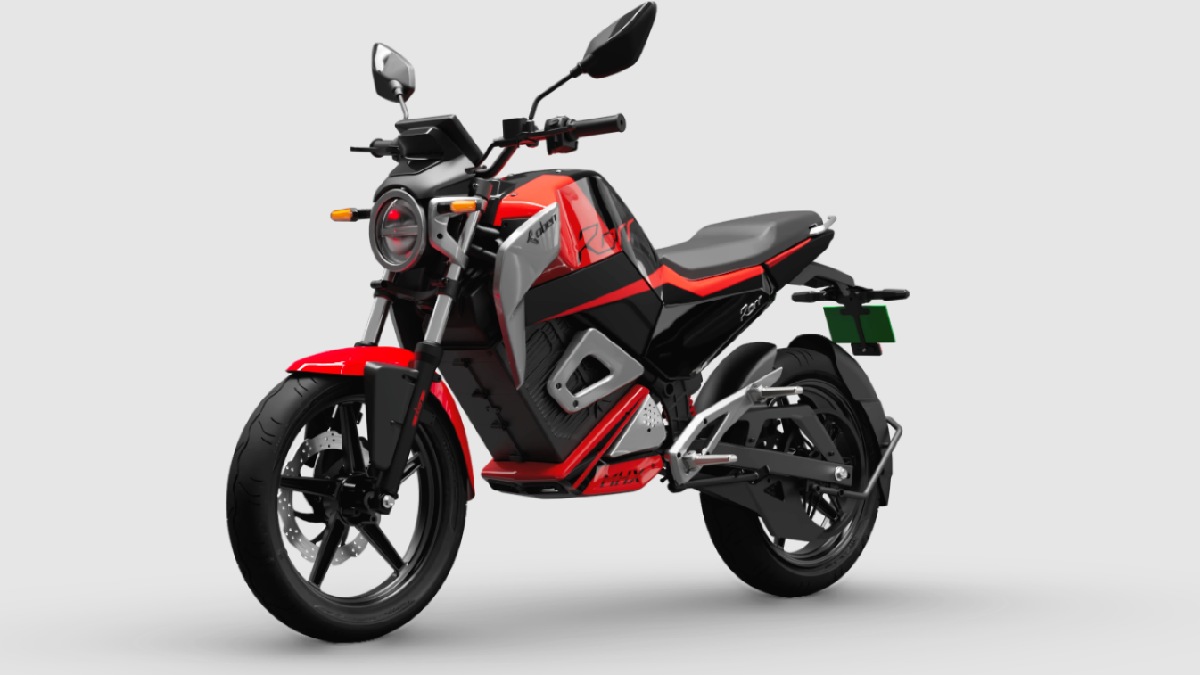
One of the key proposals in the draft policy is to discontinue the registration of new petrol-powered motorcycles and scooters from 2028.
The proposal is applicable to new vehicle registration and does not mean that all petrol two-wheelers will be banned from operating in the future. The owners of current petrol bikes and scooters would continue to comply with the existing vehicle and emission laws, unless future policy changes indicate otherwise.
The objective is to gradually convert new purchases to electric alternatives with sufficient time for manufacturers, dealerships, and consumers to get prepared.
Expansion of Charging Infrastructure
As it is very important for widespread adoption of EVs to have a charging infrastructure, the policy makes significant investments in charging infrastructure.
Plans are to expand the network of public charging stations in residential areas, commercial districts, metro stations, highways, and public parking facilities.
Battery-swapping stations are also expected to get more attention because of electric two-wheelers and commercial vehicles, where a quick replacement of batteries can shorten the downtime.
The charging accessibility will help with one of the major concerns for prospective EV buyers to improve it, they said, though.
Incentives for Consumers
The policy will continue to support financial incentives that encourage consumers to choose electric vehicles.
Such subsidies could be purchase subsidies, reduced registration fees, tax breaks, and tax benefits where applicable, and incentives for scrapping older polluting vehicles.
Additional support could also be extended to fleet operators, commercial transport operators, and businesses investing in electric mobility.
On the other hand, the final incentive structure will be dependent on the policy being formally notified and budgeted.
Environmental Benefits
Delhi has consistently been among the cities experiencing huge air quality problems, which are most severe during the winter months.
Transport emissions are very significant contributors to particulate matter and greenhouse gas emissions in urban areas.
By encouraging electric mobility, policymakers hope to reduce tailpipe emissions, curb fossil fuel consumption, improve urban air quality, and help to put India on the path to climate change, and help to meet some of the global climate commitments.
The environmental benefits of EVs are even more meaningful when the electricity grid grows to incorporate renewable energy sources.
Challenges Ahead
Although the policy has been welcomed in many environmental groups and clean mobility advocates, it comes with several problems, experts also noted.
Affordability will be of paramount concern for consumers buying entry-level two-wheelers.
At the same time, affordable charging infrastructure, battery recycling systems, electricity distribution infrastructure, and domestic battery manufacturing will play a crucial role in the transition.
Industry representatives have also emphasized the need for stable policy support, predictable incentives, and continued collaboration between government and manufacturers.
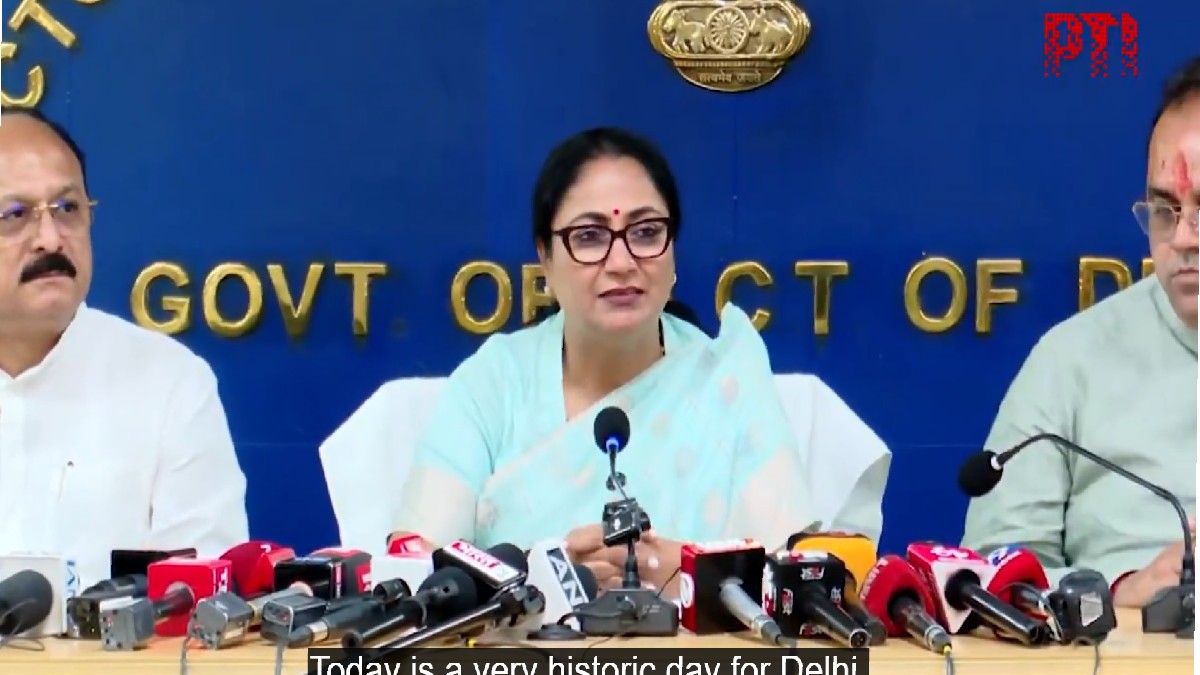
VIDEO | All electric cars with an ex-showroom price of Rs 30 lakh or less registered in the national capital will be granted 100 per cent exemption on road tax and registration fees, as the Delhi government approved a new EV policy on Monday.
— Press Trust of India (@PTI_News) June 29, 2026
Under the new policy, people buying… pic.twitter.com/Uc8TE39CTh
Impact on the Automobile Industry
The proposed policy might well have a very big impact on India's two-wheeler market, one of the largest in the world.
Manufacturers are already investing heavily in electric motorcycles and scooters, and the announcement is likely to accelerate product development and production capacity.
Dealerships, component suppliers, charging companies, and battery manufacturers also may be able to benefit from the rising demand due to electric mobility.
The policy is consistent with the overall national campaign to boost electric transport, reduce oil imports, and enhance India's clean energy ecosystem.
Looking Ahead
Even though the proposal is a bold vision for Delhi’s transport future, the policy will need detailed implementation guidelines, infrastructure expansion, and continued public participation to be implemented in advance.
As such, the policy will seek feedback from various stakeholders, including automobile manufacturers, consumer groups, transport experts, and environmental organizations, before the policy is finalized.
If successful, Delhi’s ₹15,000 crore EV initiative could serve as a model for other Indian cities attempting to balance rapid urban growth with environmental sustainability.
The proposed phase-out of new petrol two-wheelers from 2028 is a significant step toward cleaner transportation, indicating Delhi's commitment to leading India's transition to a greener and more sustainable mobility future.