In an all-out legislative and technological transformation of urban administration, the Delhi government is taking steps to develop the first digital land records bill, 2026. Under the leadership of Chief Minister Rekha Gupta, this will be the first step towards an electronic land records system in Delhi. And in this new model, every piece of land (residential houses or commercial buildings) will be assigned a unique "Property Aadhaar Card." A digital identity conceptually similar to the universal identity system of the people, the unique digital identity is meant to bring absolute transparency, to clear up the longstanding ambiguities, and to make property management in Delhi infinitely easier and more efficient.
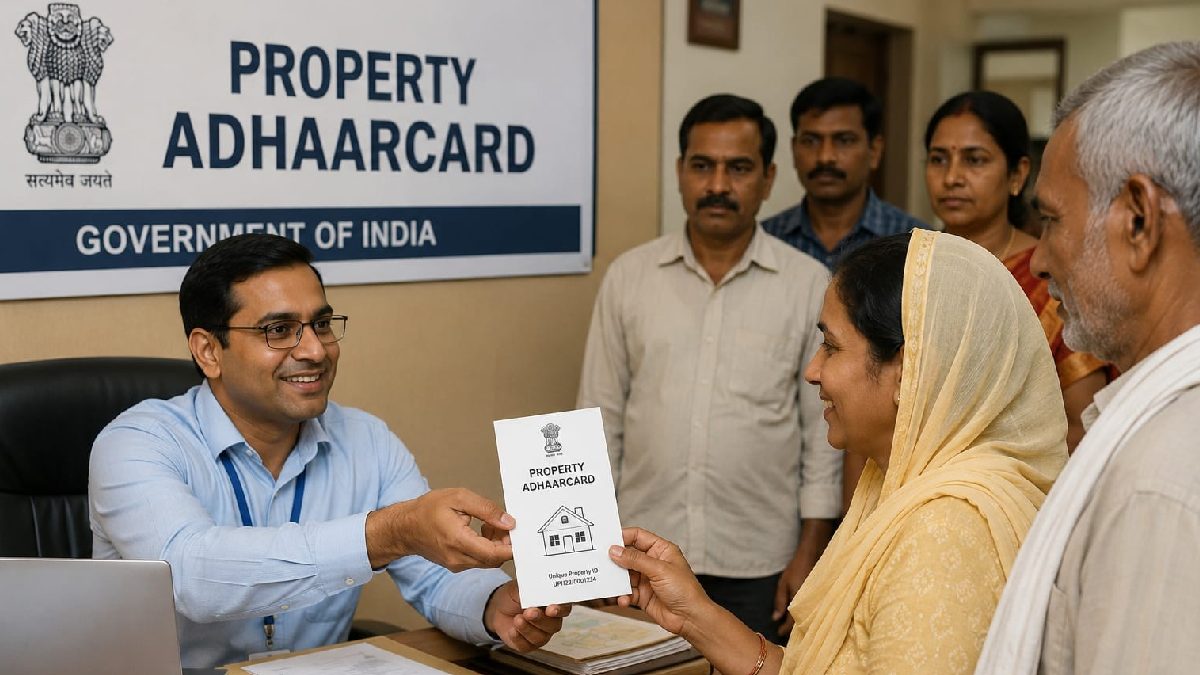
A comprehensive scope and scientific survey implementation. Unlike traditional land revenue mapping that focused on rural layout, this new legislation will cover the entire National Capital Territory and bridge the gap between rural regions and dense cities. Once the Bill has been passed and enacted, the government will conduct a comprehensive scientific survey of all properties. In order to ensure that all buildings are covered in a comprehensive manner and to avoid any gaps, the state administration has instructed that digital records will be generated for all floors of every multi-story building.
The citywide scaling is also in line with the successful pilot phase of SVAMITVA proposed by the central government. At the start of the program, the drone surveys, guided by the Survey of India's technical expertise, successfully mapped and produced smart property cards in 30 rural villages in Delhi. The success of the pilot and the positive response have encouraged the government to expand these digital mapping methods to all property categories. While the draft legislation should be presented to the Cabinet shortly, it will be considered during a special session of the Delhi Legislative Assembly and not the Monsoon session.
Changing Property Ownership and resolving longstanding disputes. The absence of a single, digitized land repository for decades has led to huge administrative complications for residents. Property owners were having trouble proving their true ownership, buying and selling a property, negotiating a complicated inheritance, getting bank loans, and getting building plan approval ASAP. And those systemic problems resulted in a lot of land disputes being backlogged in civil courts for years.
By providing authenticated digital identities through Property Aadhaar Cards, the Delhi government will be able to significantly reduce property fraud, address title ambiguities, and create a tamper-proof database. This progressive reform will reduce the burden on the judicial system and empower citizens with a secure, easily verifiable asset management framework, and bring Delhi’s infrastructure into the digital age.