Heavy rainfall hit Delhi on Wednesday, bringing relief from the hot and sweaty heat but with widespread waterlogging, traffic congestion and disruption in parts of the National Capital Region (NCR).
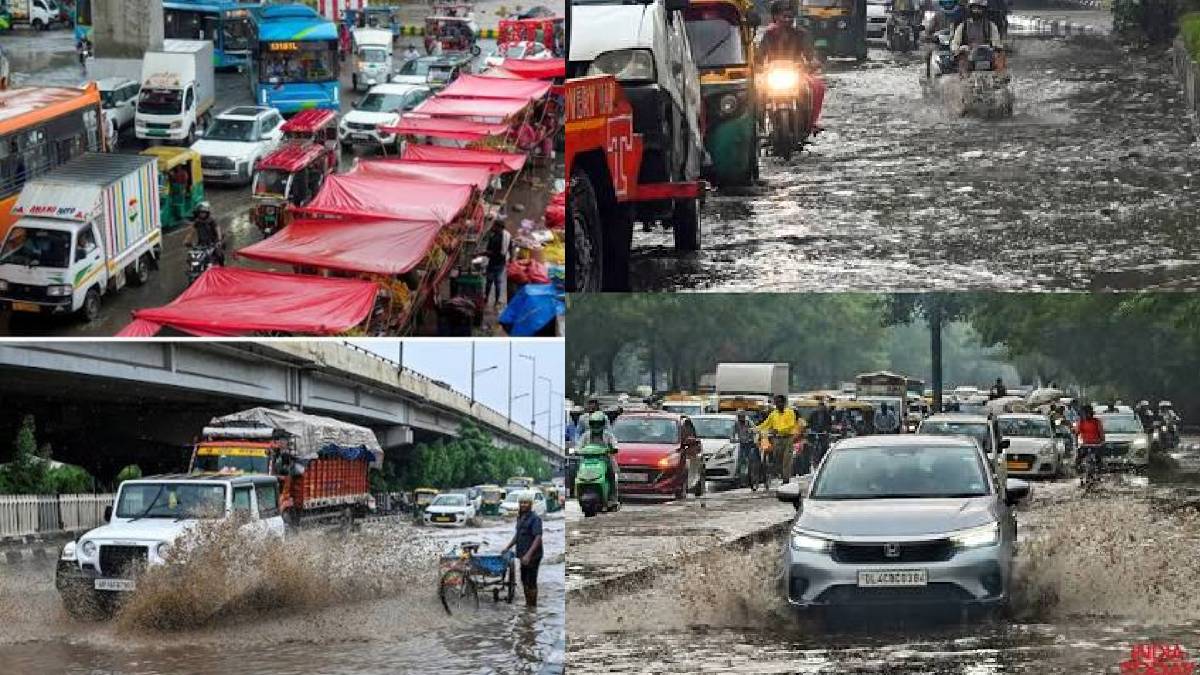
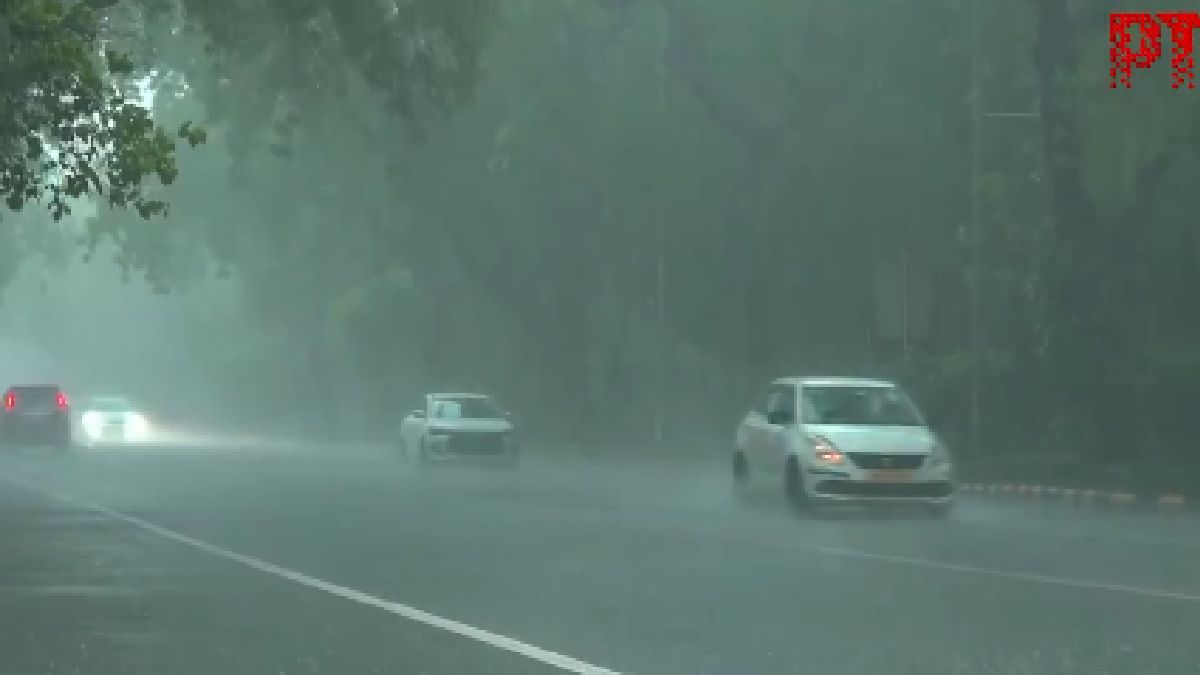
Delhi had 34.9 mm rainfall in just three hours, prompting authorities to issue a red warning.
The IMD warned people to stay home unless they had to, and said heavy rainfall, thunderstorms, lightning and gusty winds could last for many hours.
A red alert indicates that severe weather poses a threat to life and property and is to be taken extremely seriously.
Many of the city’s low-lying areas, including Minto Bridge, ITO, Ring Road, Lajpat Nagar and parts of South and East Delhi, were waterlogged and many other low-lying areas were inundated.
Automobile drivers on flooded roads had to drive slowly across flooded roads and commuters faced long delays on the way to work in the morning traffic during peak times.
Public transport services in some places have also been affected and office-goers and students are also affected.
Emergency response teams were sent out to clear blocked drains and remove fallen tree branches caused by strong winds.
Traffic police issued regular advisories on social media, advising motorists to avoid waterlogged stretches and take alternate routes wherever possible.
A sudden onset of rain also led to temporary power outages in some areas due to safety measures by electricity distribution companies. Municipal agencies were on high alert for flooding, tree falls and drainage issues.
Experts said the intense rainfall was a result of active monsoon conditions coupled with favourable atmospheric conditions in north India.
The IMD has forecast more moderate to heavy rainfall in Delhi-NCR in the next 24 to 48 hours, with thunderstorms likely to persist in isolated areas.
Residents should avoid sheltering under trees in stormy weather, stay off electricity poles and flooded roads and keep emergency essentials ready.
Residents living in flood-prone areas should keep up to date with official weather forecasts and follow the advice of local authorities.
The heavy showers brought in moderate temperatures to reduce the daytime temperature and made us all feel a bit better from the humid conditions of the last few days.
But the cool weather had to be compensated for by inconveniences to daily life from flooding and traffic backup.
The IMD is closely monitoring the weather system and warning the public to keep an eye on the weather conditions and to only follow official forecasts and advisories.
City authorities are working with disaster management teams to coordinate disaster response plans in case of more severe rainfall.
With the southwest monsoon continuing in northern India, more rain is expected to come in the coming days. Residents are advised to plan travel carefully, avoid unnecessary trips during heavy rains and stay updated through official weather bulletins until conditions improve.