As the capital city geared up to celebrate the 75th Republic Day, a sudden and unsettling development sent ripples through Delhi’s security apparatus. In the early hours of January 23rd, residents and authorities in several sensitive areas including parts of Central and South Delhi discovered a proliferation of posters featuring designated chiefs of Khalistani and Jihadi terror organizations. The appearance of these materials, which included images and names of individuals banned under Indian law, triggered an immediate and robust security response.
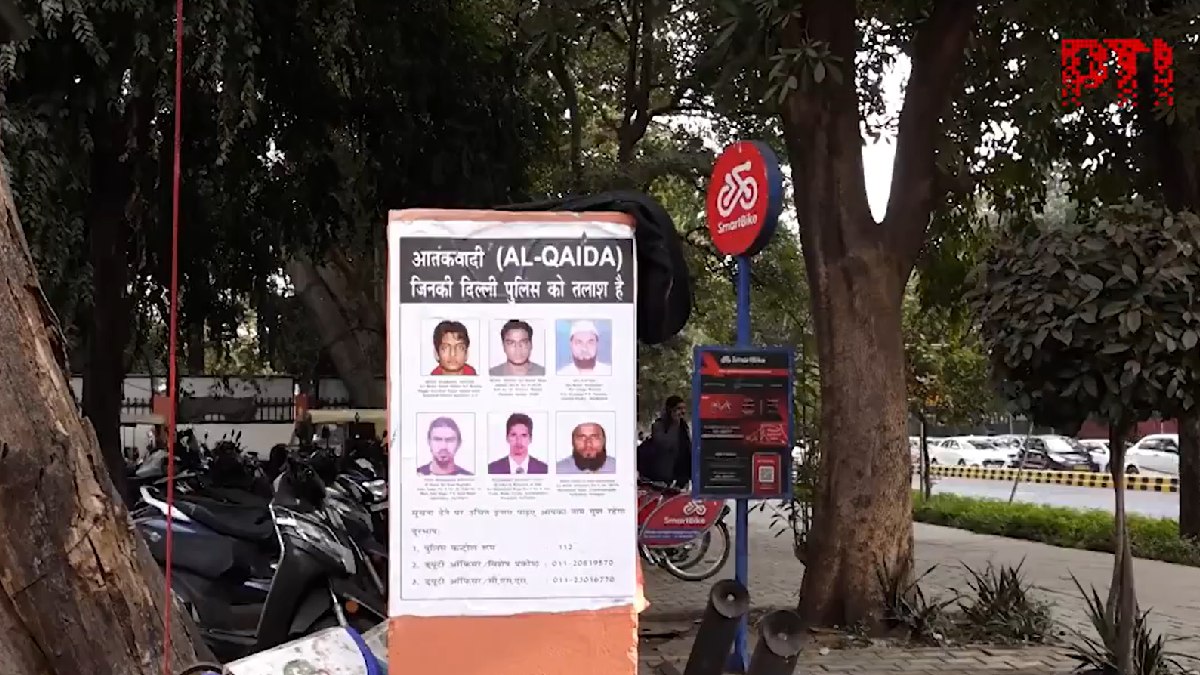
The posters, printed on low-quality paper and pasted hastily on walls, flyover pillars, and secluded corners, were reported from locations such as Lodhi Road, areas near government buildings, and metro station vicinities. They contained inflammatory slogans and references to separatist and extremist ideologies. The timing was conspicuously deliberate, aiming to create a climate of fear and disrupt the solemnity of the national celebration.
VIDEO | Delhi: High alert in National Capital ahead of Republic Day; posters featuring high-profile ‘wanted' terrorists pasted in several areas.
— Press Trust of India (@PTI_News) January 19, 2026
(Full video available on PTI Videos- https://t.co/dv5TRAShcC) pic.twitter.com/hs6YzG7uab
Within hours, the Delhi Police, in coordination with central intelligence agencies, launched a multi-pronged investigation. Forensic teams were deployed to collect evidence, while CCTV footage from a wide perimeter was scanned meticulously. The initial assessment points towards a coordinated psychological operation intended to test security preparedness and garner sensational media attention rather than an immediate, tangible threat of violence. A senior police official, speaking on condition of anonymity, stated, "This appears to be a deliberate attempt to provoke and spread disquiet. Our focus is on identifying the individuals or network behind this act."
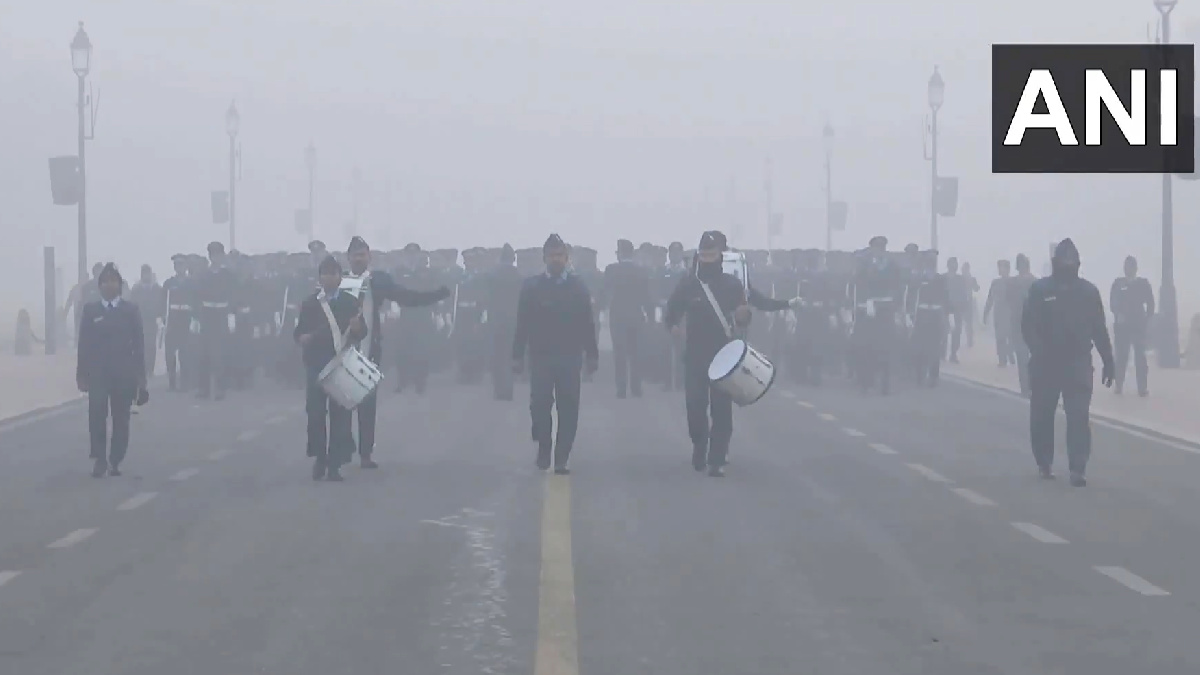
Security across the National Capital Territory (NCT) has been significantly intensified. Critical infrastructure, government complexes, diplomatic zones, and public transit hubs have seen a visible surge in armed patrols, vehicle checkpoints, and anti-sabotage drills. The police have also increased community surveillance, urging citizens to report any suspicious activity or materials immediately.
This incident has reignited concerns over the persistent attempts by extremist elements, both foreign and domestic, to exploit symbolic occasions. Republic Day, marking the adoption of India's Constitution, is a prime target for such propaganda-driven theatrics aimed at challenging the state's authority. Security analysts suggest that while the posters themselves may not indicate an active attack module within the city, they serve as a stark reminder of the continuous hybrid threats facing the nation.
Public reaction has been a mix of concern and defiance. Many citizens took to social media to condemn the act, sharing images of the posters being torn down by locals. "This is our Republic Day. We will not be intimidated by posters in the dark," tweeted one resident from Safdarjung Enclave. The overarching sentiment reflects a determination not to let such provocations overshadow the spirit of the national holiday.
As investigations continue, security forces remain on their highest state of alert. The Home Ministry is monitoring the situation closely. The coming days will be crucial in unraveling the network behind this campaign. For now, Delhi stands vigilant, its resolve steeled, ensuring that the parade on Kartavya Path will proceed with the dignity, pride, and security that the occasion demands.