In most countries, all pledges from leaders are supposed to assist everyone irrespective of their religion, caste, or background. When a villager asks for a basic need, such as a good road, it’s a reflection of the everyday struggles of average people. Roads are pathways, but they’re also lifelines that link people to schools, hospitals, markets and opportunities. The condition is a real issue in discrimination when it comes to a request made to be granted in the religious context. Suvendhu Adhikari allegedly told the villagers that the only way he could fulfill the promises he made to them was if they were to change their religion and separate Hindus from Muslims, revealing the dangers of divided communities. It’s more than one road — it is really all about fairness, equality and the dignity of the individual citizen.
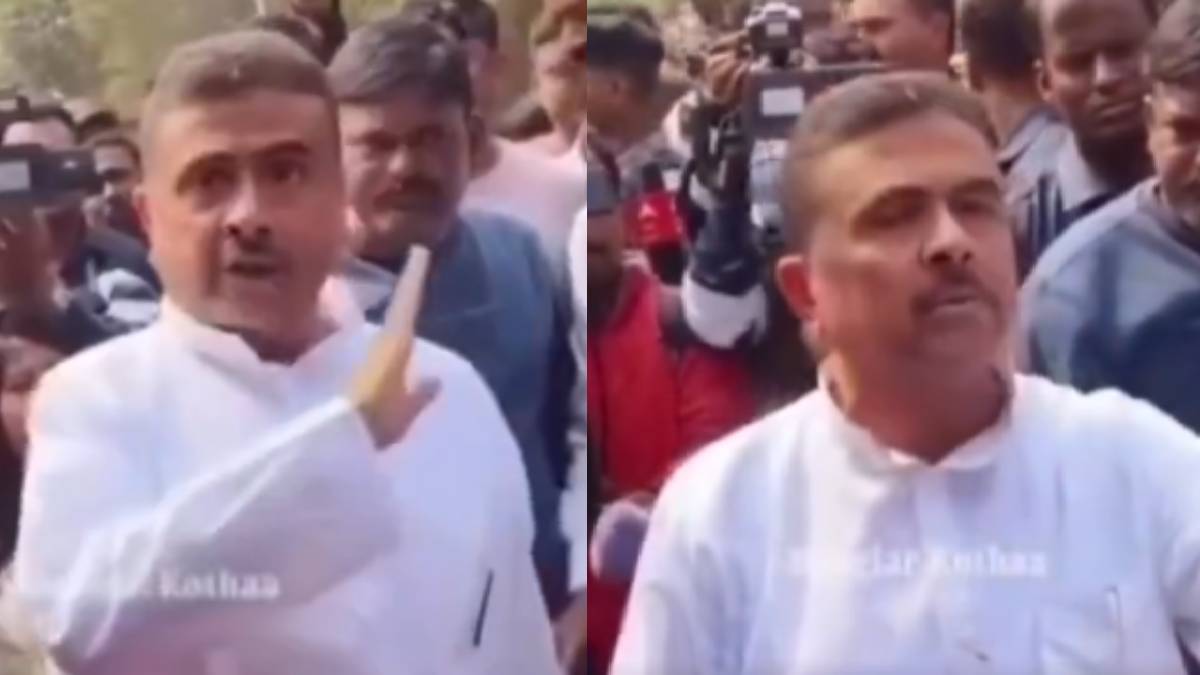
The villager’s demand was straightforward: a proper road. Roads are fundamental infrastructure, and every government aspires to deliver it. They are representations of development, progress, and the people's needs. When citizens remind leaders of promises, it is not an act of confrontation but an imperative for accountability. The villager is not isolated as she articulates many others waiting for a promise to be fulfilled.
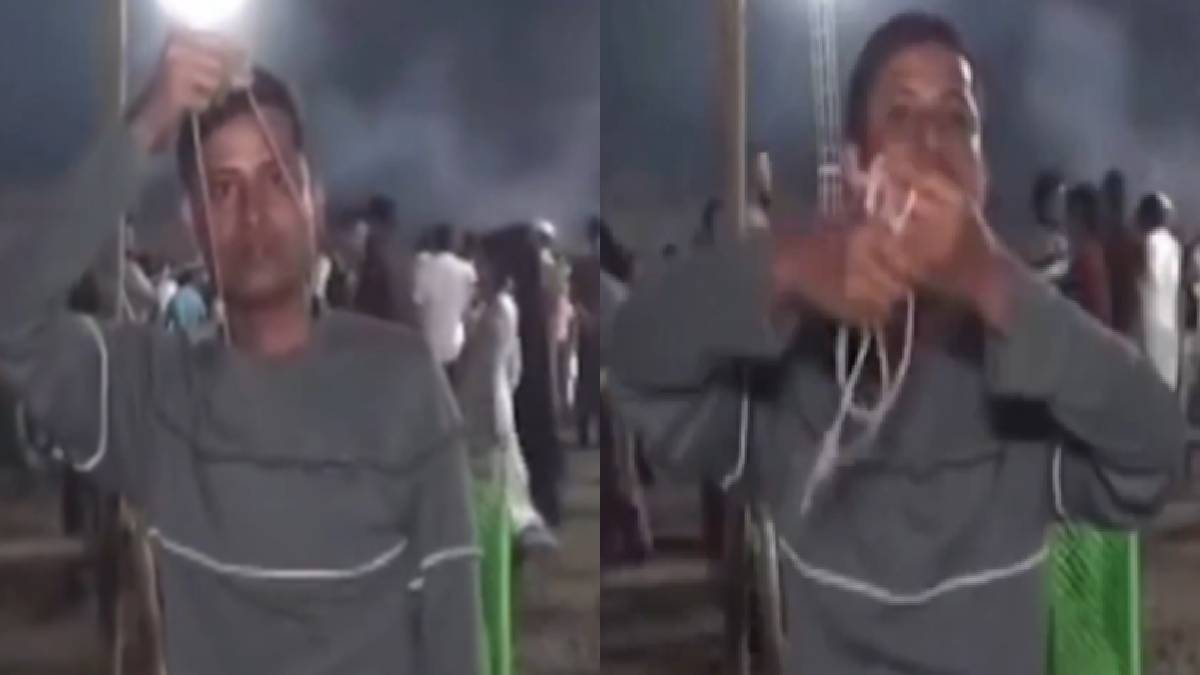
Villager: Sir we want a proper road, you promised earlier.
— Nehr_who? (@Nher_who) January 31, 2026
Suvendhu Adhikari: I will only work when you change your religion and Hindu and Muslims are separated
Peak discrimination and Muslim Apartheid at display. pic.twitter.com/RyxEBgfcCi
The response from Suvendhu Adhikari, who was reported linking development work to religion, reveals how discrimination can pervade public life. In saying that he would only work if communities changed their religion and separated Hindus from Muslims, the message conveyed was one of division. This is not just unfair; it is pernicious. That basic rights and services are conditional, dependent on identity, and not citizenship. These types of statements sow fear and mistrust. They demonstrate that people’s access to development isn’t a matter of need or justice, but rather, whether they’re members of a “right” group. This is an apartheid mentality; one community is considered less worthy than another.
The impact of discrimination in public promises is long-lasting.
- Social Division: It creates more division in our communities and creates unsafe and unwelcome conditions for everyone.
- Loss of Trust: People lose trust in leaders who are meant to serve the community on all equal terms.
- Development Delays: Blockade of building projects, such as roads, with bias leads to entire villages being delayed. But children have trouble getting to schools, patients can’t make it to hospitals or farmers can’t get their supplies down.
- Human Dignity: Every citizen deserves respect. If development is tied to religion, people’s dignity and basic rights are robbed.
Democracy is built on equality. Great leaders are elected to serve all, not a section of society. Promises must be fulfilled with no discrimination. Schools, roads, and hospitals are not free gifts—they are rights. Citizens pay their taxes, contribute to society, and deserve human rights. Religion should never be a prerequisite for development. Hindus, Muslims, Christians, Sikhs, and members of all faiths share the same land and breathe the same air and walk the same roads. It is undermining the nation as a whole to section them apart.
We learn a few key things from the incident:
- Accountability: Leaders need to answer for their pledges.
- Unity: Communities should never be divided.
- Awareness: Citizens should know discrimination exists and speak out against it.
- Justice: Development must be about need, not identity.
A mere request for access to an appropriate highway was a natural and fair demand. The answer that anchored development to religion was also discriminatory, and dangerous. It is a reflection of peak discrimination and apartheid culture when one community is denied the same rights that all others enjoy. We can't hold people with this mindset because they run counter to the principles of equality, fairness and humanity. Progress is an effort not only to build roads—it is an achievement built on fairness, a vision built on unity and on dignity. And leaders need to elevate themselves from division into an egalitarian way of serving all citizens. Only then can promises really deliver development and hope to every aspect of society.