In the most significant step towards improving accuracy and transparency in India’s electoral system, the Election Commission of India (ECI) has launched a nationwide door-to-door voter roll verification drive across different states. The campaign is in place to update electoral rolls with voters’ information, residence changes, new voters being added, and duplicate or ineligible nominations to the electoral rolls.
The campaign is also a continuation of the Election Commission’s efforts to maintain reliable and inclusive electoral rolls as the basis of free and fair elections in the world’s largest democracy.
The Verification Drive
The door-to-door verification is also intended to verify that every eligible citizen is registered correctly and that there are no errors in the electoral database.
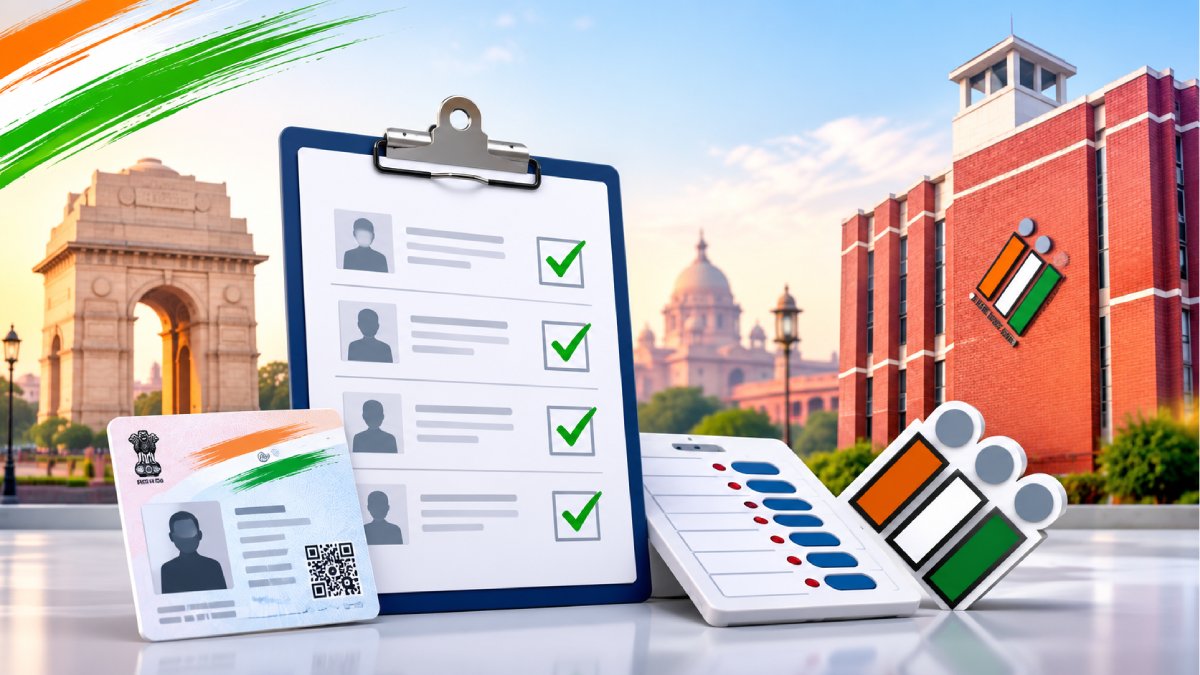
During the exercise, Booth Level Officers (BLOs) and other election officials will visit households to verify voter details such as names, addresses, age, and eligibility. They will also collect information on newly eligible voters who have reached the age of 18, people who have moved residency, and voters who have died or are otherwise no longer eligible to remain on the electoral rolls.
The verification process is intended to enhance the quality of voter lists before future elections so that electoral records are accurate to the population at large.
What Officials Will Verify
We expect election officials to examine some aspects of voter information during household visits.
The primary purpose of this is to confirm registered voters are still residing at their recorded addresses, to find duplicate registrations, correct spelling or demographic mistakes, and to contact eligible citizens who are not yet enrolled in the electoral rolls.
Information may also be provided to residents about how to update personal information, transfer voter registration when moving to a new location, and apply for inclusion if they are eligible to be included under certain eligibility criteria.
The Election Commission has stressed that eligible citizens should cooperate with verification teams and provide accurate information to facilitate the exercise.
Importance of Accurate Electoral Rolls
All too often, the voter rolls do not match up, so it is up to us to ensure the integrity of democratic elections.
Clean and updated electoral rolls allow eligible citizens to vote, and therefore, fewer duplicate entries, outdated records, and administrative errors are present.
Election experts say that regular verification is routine in many democracies and contributes to public trust in the electoral process.
By finding such discrepancies before elections, the authorities can prevent disputes on voter registration, polling, and so on.
Technology and Digital Integration
The Election Commission has made digital tools available for voter registration and election management in the last few years.
Many voter information updates are now made online through official election portals and mobile applications, and citizens can apply for corrections, transfers, or new registrations electronically.
The current door-to-door campaign is a complementary digital service to these digital services so that households can be reached directly, especially in places where internet access or digital literacy may be low.
They feel that combining physical verification with digital record management can significantly improve the overall quality of electoral databases.
Citizens' Involvement in the Process
Residents should verify their personal information when officials visit their homes to check on them.
Citizens must ensure their names, addresses, photographs, and other demographic information are accurate. People who have recently moved, changed their names, or are eligible to vote need to inform officials and take the necessary documentation.
Young adults who have recently turned 18 are also encouraged to register so that they can take part in the upcoming elections.
They urge voters to report any errors and omissions on the electoral rolls through official channels.
Ensuring Transparency
The Election Commission said this verification exercise is part of its electoral management responsibilities and aims to help build public confidence in the democratic process.
The campaign will be conducted in accordance with the procedures and legal requirements of electoral roll preparation and revision, officials said in the past.
Political parties, civil society organizations, and election observers often monitor such exercises to keep the revision process transparent and fair.
Challenges in a Large Democracy
Maintaining accurate electoral rolls in a country as large and diverse as India presents considerable logistical challenges.
Population migration, urban migration, demographic changes, and frequent address changes require voter records to be updated regularly.
Election officials must make sure that eligible voters are not accidentally excluded from the electorate and identify duplicate or fraudulent registrations.
The nationwide verification drive aims to address these challenges through systematic field verification and data validation.
No voter card = No freebies.
— Rishi Bagree (@rishibagree) June 30, 2026
A Big blow to the anti-SIR lobby !!!
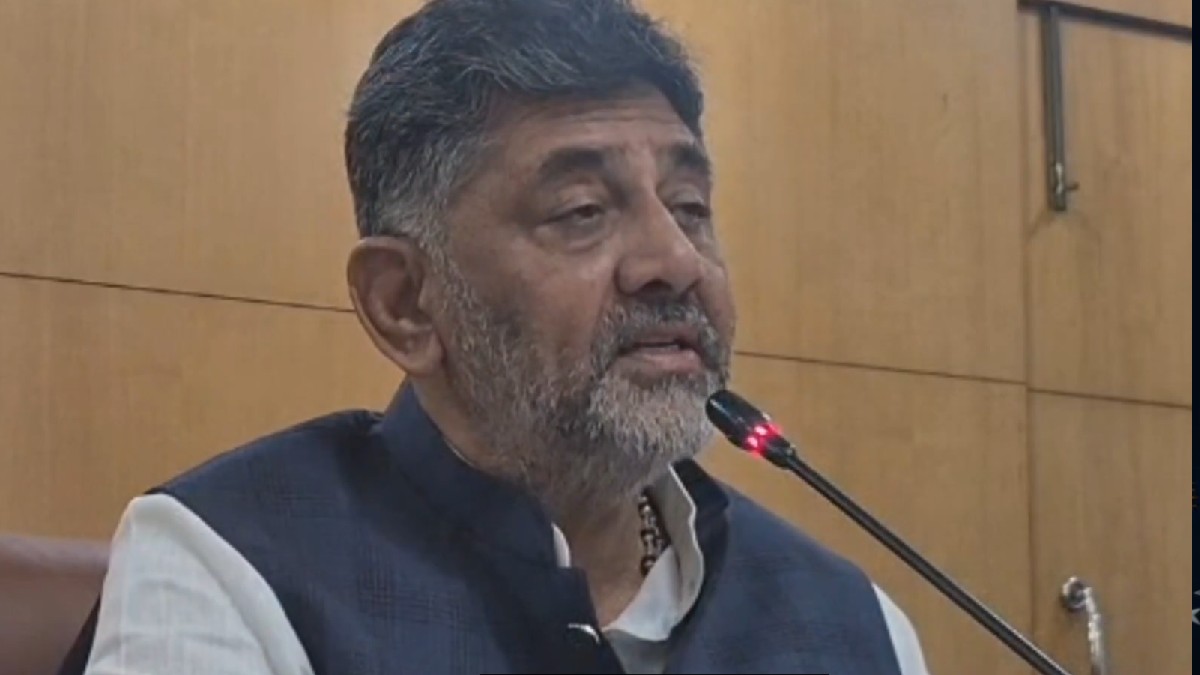
Karnataka Congress govt has now made a valid voter ID mandatory for state welfare schemes. CM has asked citizens to cooperate with the SIR exercise and submit forms on time. pic.twitter.com/cpVtKlGP1k
Looking Ahead
What does the Election Commission’s door-to-door voter roll verification campaign mean for India as it prepares for future elections?
The success of the project will depend on the effectiveness of election officials, active public engagement, and timely updating of voter information.
With accurate electoral rolls at the heart of democratic elections, the verification drive will help to make elections in the country more transparent, inclusive, and credible.
Citizens are encouraged to cooperate with election officials to verify voter data and ensure they remain eligible to exercise one of the most fundamental rights in a democracy—the right to vote.