Child labour is still one of the world's biggest social problems, denying millions of children the right to education, health, and a secure childhood.
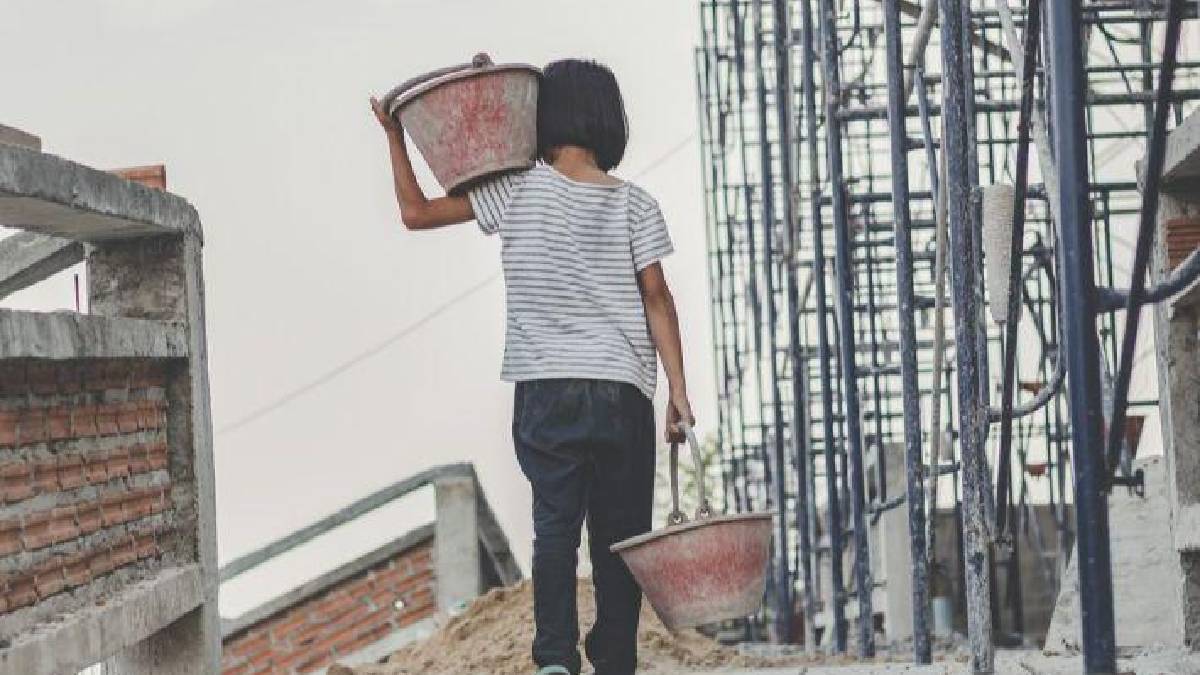
Despite decades of progress and stronger legal protections, children continue to work in agriculture, construction, domestic service, mining, factories, and other hazardous sectors.
Ending child labour must be a public education and economic reform from the top down, and that needs to be done effectively (as well as laws).
Why does child labour continue
Several factors contribute to child labour across the world:
- Poverty: Families with little money depend on children’s earnings.
- Lack of Quality Education: When children don’t have affordable school, they go into work.
- Weak enforcement of laws: Children are often illegally employed. Conflict and disasters make children vulnerable.
- Demand for cheap labour: Businesses continue to exploit children to lower labour costs.
What are the impacts of child labour
Children in labour often miss school, sustain physical injuries, have emotional trauma, and have no opportunities for personal growth. Hazardous work exposes them to chemicals, dangerous machines, long work hours, and unsafe places to work. Child labour perpetuates poverty with limited education and future employment opportunities.
Laws That Prohibit Child Labour
India has strengthened its legal framework over the years to combat child labour.
1. Child and Adolescent Labour (Prohibition and Regulation) Act, 1986
At the time this law was enacted in 1986, it regulated child labour and prohibited children from working in some hazardous jobs.
2. Child and Adolescent Labour (Prohibition and Regulation) Amendment Act, 2016
The 2016 amendment greatly strengthened the law by
Prohibiting the employment of children below 14 years in all jobs and processes, except in limited family businesses after school and in the entertainment industry under strictly regulated conditions.
Prohibiting teenagers aged 14 to 18 years from working in hazardous jobs and processes. Increasing penalties for employers that violate the law. Making offences by employers more severe, with higher fines and imprisonment.
3. Right of Children to Free and Compulsory Education (RTE) Act, 2009
The RTE Act guarantees free and compulsory education for children aged 6 to 14 years by ensuring access to schooling in order to reduce child labour.
4. Juvenile Justice (Care and Protection of Children) Act, 2015
Through this Act, children who are in exploitative situations (child labour and trafficking) are protected, rehabilitated, and cared for.
5. Bonded Labour System (Abolition) Act, 1976
This law abolishes bonded labour and provides for the rescue and rehabilitation of bonded labourers, including children.International Laws and Conventions
Several international agreements guide countries in eliminating child labour
- ILO Convention No. 138 sets the minimum age for employment.
- ILO Convention No. 182 calls for the elimination of the worst forms of child labour.
- The United Nations Convention on the Rights of the Child (UNCRC) guarantees every child the right to education, protection, and development.
- Sustainable Development Goal (SDG) 8.7 aims to eradicate child labour in all its forms.
Solutions to End Child Labour
Governments must enforce child labour laws and conduct regular inspections. Quality education should be available to every child, even in rural and low-income communities. Financial assistance and livelihood programs can reduce families’ dependence on children’s income.
Businesses need to ensure ethical sourcing practices are followed and that supply chains are audited to prevent illegal child exploitation. Civil society organizations can fund rescue operations, rehabilitation, and awareness campaigns, while consumers can consider products made with fair labour practices.
A Shared Responsibility
The end of child labour is a collective responsibility. Strong laws, effective enforcement, quality education, poverty reduction, and community involvement are all necessary to protect children.
In terms of policy changes like the Child and Adolescent Labour (Prohibition and Regulation) Amendment Act, 2016, we have made a lot of progress in our system, but more work is needed in order for every child to have a safe, healthy, and education-rich childhood as opposed to a life of labour.