India is moving towards cleaner and alternative mobility fuels with a new government mandate requiring at least one in every three new fuel retail outlets to provide a new-generation alternative fuel facility within three years of being commissioned.
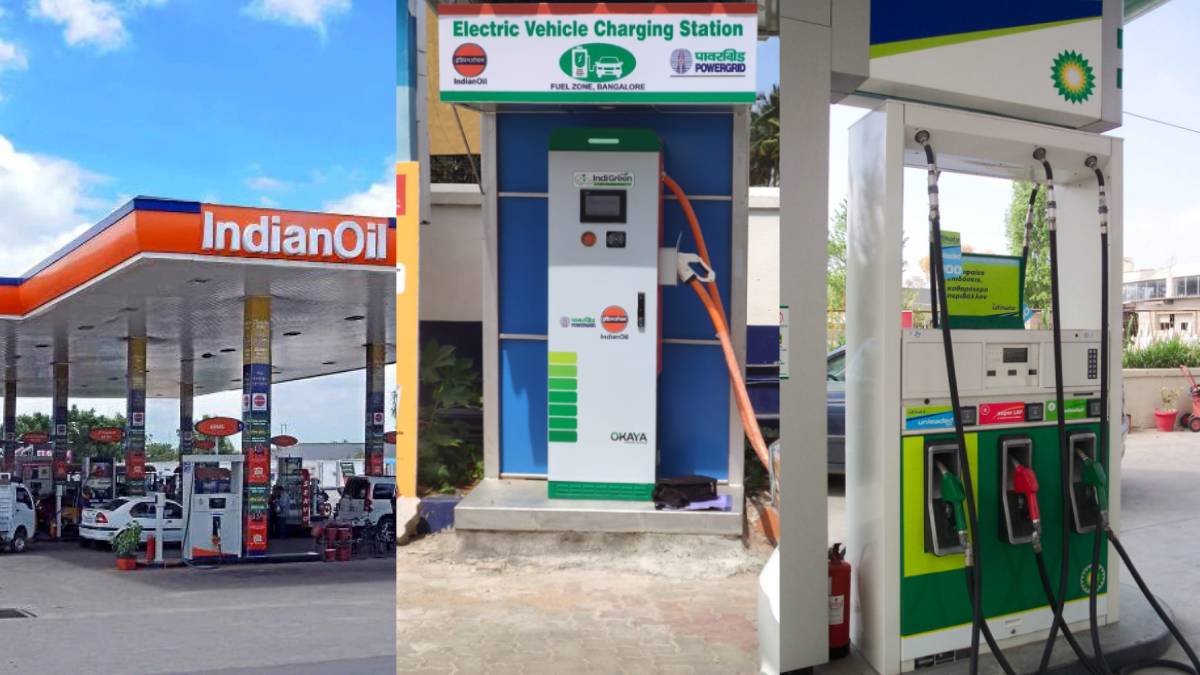
The change will allow for access to new energy sources from alternative to traditional fuel pumps and will make the traditional fuel pump network a more diverse mobility system.
Under the new requirement, eligible fuel retail outlets will be able to offer one or more alternative energy services such as Compressed Natural Gas (CNG), Liquefied Natural Gas (LNG), biofuels, electric vehicle (EV) charging and battery swapping.
The policy works as users should see more fuel stations with more than one type of energy, not just petrol and diesel. With the growth of electric vehicles, CNG-driven vehicles and other cleaner mobility technologies in India, the expansion is necessary.
The key component of that policy is the three-year window. A third of the new fuel retail outlets commissioned will need to be equipped with an alternative fuel facility within three years of commissioning. This allows operators to plan infrastructure, obtain necessary approvals, and install the equipment to do so.
Land and space availability are also considered by the government. According to information available, space constraints only affect less than 10% of outlets, so many of the new retail sites could be able to accommodate alternative-fuel infrastructure.
The availability of bigger plots is particularly relevant for newer fuel stations. The fuel pumps that are being built along highways and industrial zones are being planned on larger parcels of land, allowing for the addition of EV chargers, CNG equipment and battery swapping infrastructure.
The policy would have a disproportionate impact on long-distance travel and highway travel. As electric vehicle ownership increases, one of the key concerns for consumers is reliable charging infrastructure. More fuel retail outlets offering EV charging would alleviate range issues and make intercity electric transport more convenient.
In the same vein, expanding CNG and LNG could help shift commercial and passenger vehicles towards alternative fuels. Biofuels would be another option as India continues to push domestically produced and low-emission energy sources.
Battery swapping would be especially helpful for electric two-wheelers and commercial vehicles where a quick replacement of batteries is more efficient than charging the batteries regularly.
As a result, the new requirement also shifts the role of fuel retail outlets. For now, instead of petrol and diesel stations being only petrol and diesel stations, future stations may be multi-energy mobility hubs.
As a consequence of this transformation, fuel retailers may move towards diversification of businesses and consumers may choose the energy to fuel their vehicles and travel needs.
This approach is also consistent with India’s larger goal to decrease reliance on fossil fuels, secure energy and increase adoption of clean transportation technologies. Alternative-fuel infrastructure development is widely seen as one of the key elements of the country’s long-term energy transition.
The new requirement on oil marketing companies and private fuel retailers will open up new opportunities for investment in charging stations, CNG facilities and other alternative-energy infrastructure. And companies may have to redesign new outlets to accommodate multiple services.
Highway fuel stations could be particularly important in this transition. Larger sites may have conventional fuel dispensers along with high-capacity EV charging equipment, CNG facilities, rest areas and other services.
The mandate may also reduce one of the barriers to EV adoption: insufficient charging availability. With more charging points at the fuel stations around us, consumers will have greater confidence to use electric vehicles for longer trips.
The government’s approach, however, is to use the existing fuel-retail network to expand alternative fuels rather than to build a whole new infrastructure system.
With at least one in every three new fuel retail outlets expected to offer an alternative-energy option within three years, India’s roadside mobility infrastructure could undergo a significant transformation in the coming years.
So this could lead to a nationwide network on which petrol, diesel, CNG, LNG, biofuels, EV charging and battery swapping can be integrated in order to give consumers more options to choose from and to make India’s transportation system a more diverse and cleaner one.