A food safety inspection at Apollo Hospital’s canteen on Bannerghatta Road in Bengaluru has unearthed some food safety and compliance issues including expired rava, maida and baking powder, stale bread and misbranded food products. Food safety officials seized the goods as part of an enforcement campaign to check hygiene and food safety standards for hotels and food establishments across the state.
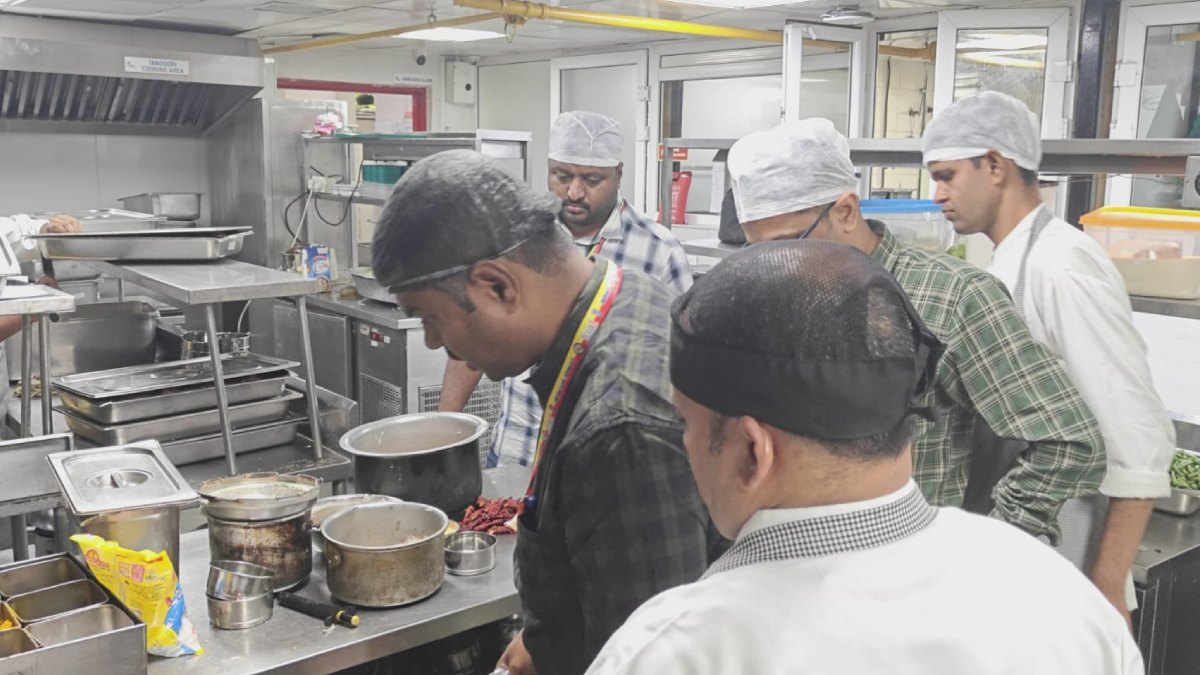
The inspection has raised concerns because the establishment is a hospital canteen where food is served to patients, attendants, visitors and hospital staff. Food prepared and served in such places requires hygiene and storage conditions, labelling and expiry dates. The discovery of expired ingredients has raised the problem again of institutional canteens needing to take extreme care of food preparation and storage.
Food safety officials found expired rava, maida, and baking powder in the canteen, the inspection details show. These ingredients are used for various food items and are used in cooking and they should be stored and checked on expiry dates before they are used.
The inspection also found stale bread and food products that were either misbranded or not as per food labelling standards. This could raise questions about how food products are made and stored and monitored before they are sold to consumers. Because the product contains a lot of information, food handlers can identify the product’s identity, ingredients, manufacturer details, and relevant dates.
The action was part of a three-day enforcement drive by Karnataka food safety authorities. The campaign included major hotels and food establishments and officials checked food quality, hygiene practices, storage arrangements and compliance with applicable food safety requirements.
Food safety inspections are critical to catching violations that might not be visible to customers at first sight. A kitchen might be clean from a dining area and storage rooms, refrigerators, ingredient shelves, food preparation areas may not be. Regular inspections allow authorities to assess and act where there are violations.
In the Apollo Hospital canteen, the reported presence of expired ingredients has brought into question storage and inventory management. Food shops need systems to make sure older products are used before newer stock and that items are removed from food preparation areas. Checking ingredient shelves and storage facilities to avoid items staying in place for too long after their expiry dates can help.
The discovery of stale bread seems to be another worry. Bread and other perishable foods must be stored and used promptly. Food handlers need to keep track of the condition of those items and the ones that are no longer suitable for consumption should not be served.
Misbranded food products were also unearthed during the inspection. Food labelling is critical to consumer protection because accurate information allows consumers to understand what they are purchasing or consuming. A food product is difficult to determine if it is of content, origin or relevant information if it is not labelled.
The inspection also revealed non-compliant chopping boards. Food hygiene is also dependent on kitchen equipment and preparation surfaces. Different foods are different and cleaning and handling of food items may be sufficient to avoid contamination. Chopping boards and other tools should be used and kept safe and according to food safety standards.
The findings are especially important when you’re in a hospital setting. Hospitals serve people who could already have health problems, recovery or medical care. Not everyone who eats at a hospital canteen is a patient, but the circumstances of the food environment are so critical for food safety. And families and hospital staff also rely on canteens for quick meals in a hospital or work environment.
However, the reported seizure of products does not by itself mean anyone got ill from the items. In the inspection, officials found products or practices to be in need of action. Any future action on violations, penalties or other regulatory measures would be determined by the authorities and applicable procedures.
The enforcement drive across Karnataka shows the importance of food safety beyond just restaurants. Hotels and hospitals, canteens, bakeries, catering establishments and other food businesses all have responsibility in hygiene and food products are safe and properly labelled.
Food safety starts well before a meal even gets out of the restaurant. Ingredients must be purchased from appropriate sources, stored under appropriate conditions and checked regularly. Cleaning of food preparation and equipment and utensils should be done to meet the standards.
And institutional kitchens can have additional challenges to deal with because they may be cooking large quantities of food every day. High-volume operations require careful inventory management. If staff members do not check expiry dates or separate old products from the available stock, expired ingredients can become unnoticed.
A proper stock-monitoring system can reduce such risks. Kitchens can keep track of incoming ingredients, keep track of expiry dates and keep inspections of storage areas. Products approaching their expiry dates can be prioritized for use and expired or damaged products should be discarded immediately.
The incident in Bengaluru also demonstrates why enforcement inspections are still very important. Food businesses might be doing the right things most of the time but inspections can reveal gaps in their practices. Regular monitoring can encourage establishments to maintain standards consistently rather than only during routine operations.
The incident serves as a reminder to hospital administrators and canteen operators that food safety protocols need to be constantly reviewed. Training, inventory checks, cleaning schedules, proper storage and accurate labelling are all essential for maintaining a safe food service environment.
Public food quality at institutional canteens might be questioned by the news. The inspection and regulation can be taken to meet these needs. In case of violations, appropriate response can be taken in line with food safety regulations.
The enforcement drive in Karnataka is just the tip of the iceberg on consumer awareness. The public should feel safe that restaurants are complying with basic safety requirements. If expired or mislabelled products are found and timely action is taken by authorities, it helps protect consumers and encourages businesses to improve their practices.
The reported seizure at the Apollo Hospital Bannerghatta Road canteen is more than an inspection finding. It points to the need for good food storage, proper kitchen hygiene and strict adherence to food safety rules in places that serve a huge number of people every day.
Apollo Hospital Canteen Raided for Food Safety Violations In Bengaluru
— Yasir Mushtaq (@path2shah) August 13, 2026
Bengaluru
Officials of the #FoodSafety and Drug Administration Department carried out a surprise inspection at the canteen of #ApolloHospital on Bannerghatta Road in #Bengaluru, uncovering serious lapses in… pic.twitter.com/ttGH6UcOiz
As authorities continue their enforcement activities, further inspections and regulatory action can help to better understand the compliance levels of food establishments in Bengaluru and elsewhere in Karnataka. For now, the reported discovery of expired rava, maida and baking powder, as well as stale bread, misbranded products and non-compliant kitchen equipment, has put the spotlight on food safety standards at the hospital canteen.
The incident is a reminder that food safety must always be a matter of vigilance. From checking expiry dates to maintaining clean preparation areas and ensuring accurate product labels, how food is cooked is very important to everyone.
Strong enforcement, responsible food businesses and public awareness can help make sure that food being served to consumers is safe, hygienic and compliant with established standards.