The heavy rainfall caused a flash flood in Gund Nallah in Hardass village of Ladakh on 2 August. It caused extensive damage to buildings and concerned residents.
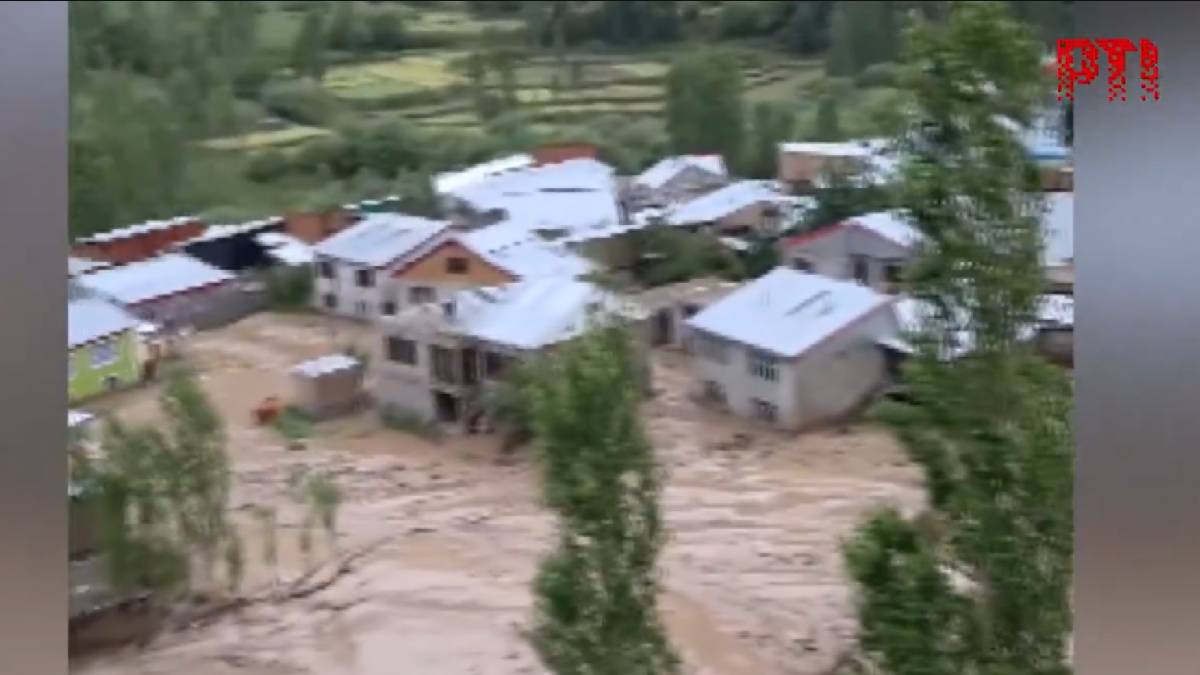
The sudden increase in water flow after heavy rainfall caused a flash flood in the nallah, affecting properties and making life difficult for people living nearby. There are still no casualties reported so far.
VIDEO | Ladakh: Heavy rainfall triggered a flash flood in Gund Nallah at Hardass village on August 2, causing extensive damage to properties. No casualties have been reported.
— Press Trust of India (@PTI_News) August 3, 2026
(Source: Third Party)
(Full video available on PTI Videos - https://t.co/n147TvrpG7) pic.twitter.com/heYaj5D3Wi
The incident is a reminder of the dangers associated with heavy rainfall and sudden flooding in Ladakh’s mountainous terrain, where water levels in seasonal streams and nallahs can rise rapidly during intense weather events.
Flash floods are particularly dangerous because they can develop with little warning. Heavy rainfall in higher catchment areas may result in a sudden surge of water, bringing mud, rocks and debris downstream. Such events can damage homes, roads, agricultural land and other infrastructure.
The flash flood at Gund Nallah caused extensive property damage in Hardass village. The extent of the losses is still to be officially determined, and authorities will release more details after they have completed inspections of the affected area.
The residents would have problems with damaged structures, broken access points, and mud and debris removal. Emergency teams and local authorities may have to check if any houses or buildings have been made unsafe after the flood.
The lack of casualties is a relief, but once again the incident has shown that settlements around seasonal water channels and mountain streams are at risk.
Ladakh’s terrain and geography make weather-related emergencies difficult to handle. The region’s high elevation, remote settlements and limited road connectivity can slow emergency response and also lead to more difficult damage assessment.
After the incident, weather and water levels in the nearby streams will be monitored. Residents in vulnerable areas where heavy rainfall is expected may need to be alert if heavy rainfall continues.
The flash flood also highlights the need for early-warning systems and local preparedness. Weather alerts can help in the preparation for heavy rainfall, but sudden flooding in mountain areas can still occur very quickly.
Residents of nallahs and natural drainage channels are told to avoid entering fast-flowing water and to move to safer areas if authorities say to do so and if they need to give warnings. People should also avoid crossing flooded roads or streams, where floodwater is not always well-defined, and its strength and depth can be difficult to assess.
This comes at a very high level of heavy rain in some parts of northern India. Heavy rain has inundated and damaged structures in various mountainous areas.
Even in Ladakh, rainfall can be a significant factor because many water channels in Ladakh are relatively dry for long periods but can generate sudden and powerful flows during cloudbursts or heavy rainfall.
Damage in Hardass village will be assessed by local officials who will decide if any relief is needed for the affected families. The authorities may also check roads, bridges, water systems and other public infrastructure.
The initial concern will be residents’ safety and preventing further damage in the event of rain. Clearing debris and accessing affected properties might also be part of the response.
The incident is a reminder of the increasing need for weather monitoring and disaster preparedness in vulnerable mountain regions. Residents living near seasonal streams need timely warnings and evacuation plans when heavy rain occurs.
In the Gund Nallah flash flood, no loss of life has been reported so far. More information will be reported once a comprehensive assessment of the damage has been done.
For now, Hardass village and the surrounding area will be on alert, and weather conditions will still be monitored.