In a heartwarming social media post that has struck a chord with thousands of corporate professionals, a Bengaluru-based Flipkart employee has shed light on the company's "low-key winter break" culture. The trend, which draws parallels to the nostalgia of childhood summer vacations, highlights a flexible and empathetic side of the e-commerce giant’s work environment during the year-end season.
The Viral Video: A Trip Down Memory Lane
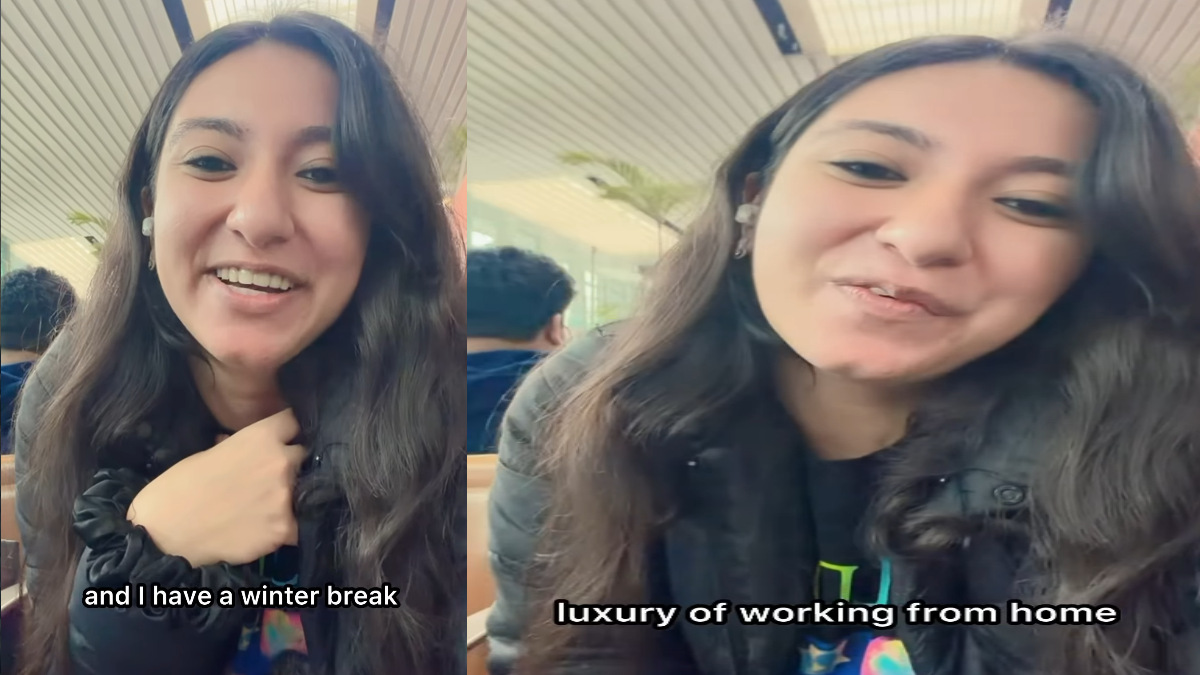
The buzz began when Simrann M Bhambani, an Assistant Brand Manager (Marketing) at Flipkart, shared a video from the Bengaluru airport. As she prepared to board a flight home, she described the period after December 20 as an informal "winter break" at the company.
"This reminds me of my school experience," Simrann noted, reminiscing about the excitement of packing bags for long holidays. She explained that while the company doesn't officially shut down, the work culture shifts into a more relaxed, flexible mode as the year draws to a close.

Key Highlights of the 'Low-Key Winter Break'
According to the viral post and employee insights, here is how the year-end period functions at Flipkart:
- Flexible WFH: After December 20, most employees opt for Work-From-Home (WFH) arrangements, allowing them to travel to their hometowns and spend time with family while still staying connected to their tasks.
- Leave Utilization: Employees often use their remaining annual leaves during the last ten days of December to fully disconnect and recharge for the upcoming year.
- Reduced Office Attendance: With a significant portion of the workforce traveling or working remotely, the corporate headquarters in Bengaluru sees much lower attendance, creating a quiet, "low-key" atmosphere.
- Work Continues: Simrann clarified that the "break" doesn't mean work stops entirely. Rather, it is about the trust and flexibility the company provides, allowing employees to manage their responsibilities from the comfort of their homes.
Why It’s Being Hailed as a Great Policy
In an era of high-pressure corporate environments, this informal tradition is being praised for several reasons:
- Employee Wellbeing: It acknowledges the need for mental rest after the hectic "Big Billion Days" and festive sales cycles.
- Financial Savings: By traveling home slightly before the peak New Year's Eve rush, employees can save on inflated airfares.
- Cultural Bonding: It allows professionals who live away from their families to participate in year-end festivities without sacrificing their professional commitments.
As Simrann prepares to return to the office only in the new year, her story serves as a reminder that modern workplaces are increasingly valuing work-life integration over rigid office hours.