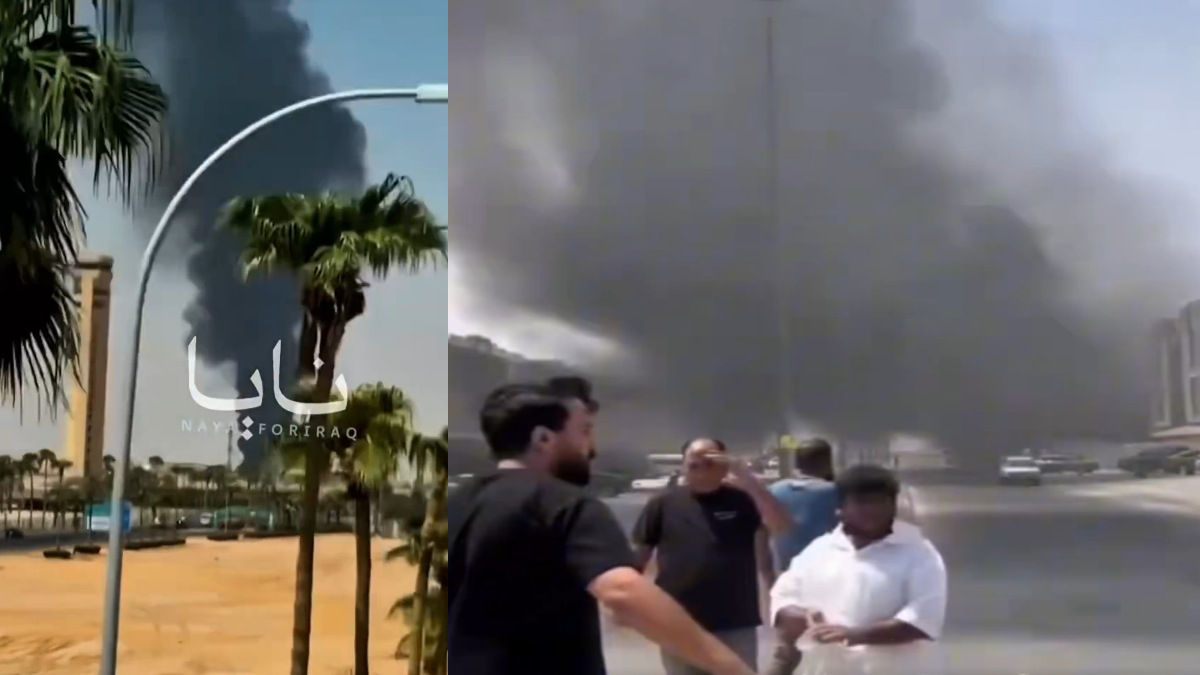
Guatemala raised the volcanic alert level after the Fuego volcano got into an explosive phase and authorities are closely monitoring activity and preparing for possible emergency measures.
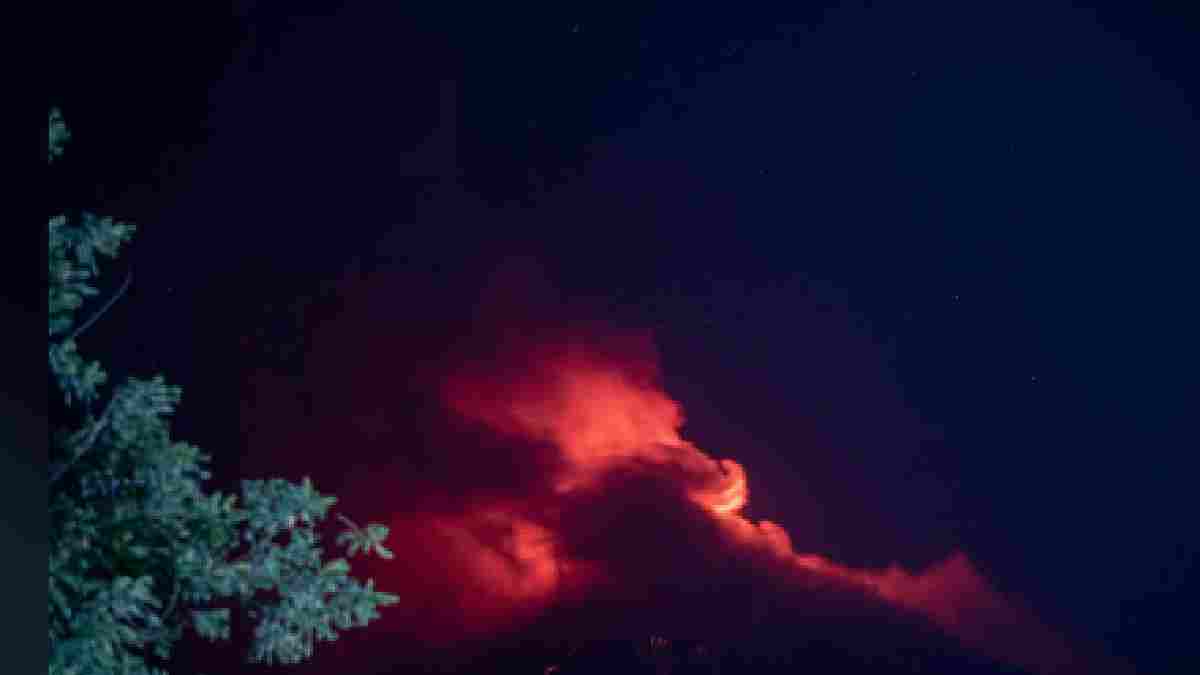
The volcano has shown signs of instability in recent weeks with a stronger eruption, ash emissions, and more volcanic activity.
The orange alert indicates a dramatic increase in volcanic activity and calls for government agencies, emergency teams and local populations to be prepared. Changes in the volcano’s behaviour are being observed and the risks to people living in the affected areas are considered.
Fuego Volcano is in high activity
The Fuego Volcano, one of the most active volcanoes in Guatemala, has a history of frequent eruptions and frequent explosive events. Near the departments of Escuintla, Sacatepéquez and Chimaltenango, the volcano is closely monitored by Guatemala’s volcanic research and disaster management authorities.
In the latest phase, even stronger explosions were reported and more ash and volcanic gases were being emitted.
These developments have raised fears of pyroclastic flows, lava flows, and ashfall in the neighbouring communities.
Volcanic ash can cause serious problems to people living there as they can have difficulty breathing, not see very clearly, water pollution, and transportation issues. Aviation authorities are also monitoring volcanic ash clouds because they can affect aircraft operations.
Authorities Prepare Emergency Measures
Guatemala’s disaster management agencies have activated monitoring systems and warned citizens in risk areas to stay alert. Emergency response teams are prepared to assist communities if evacuation orders are needed.
The volcano has been warned of the danger to people living near it and those doing so should follow safety rules and not go into some of the more restricted areas. Emergency supplies such as masks, drinking water, as well as medicines are also being kept ready.
The orange alert is not to be taken as a call to evacuate immediately, but as an indication that the situation is unstable and could be very bad soon. Volcanoes are still being investigated to determine if further action is needed.
History of Fuego Volcano Eruptions
Fuego Volcano has a long history of explosive eruptions. One of its deadliest eruptions occurred in 2018, when massive pyroclastic flows buried communities and killed hundreds of people. The disaster remains one of Guatemala’s most devastating volcanic events in recent decades.
Since then authorities keep a close eye on volcanic activity in the event of increases in activity. The development of volcanic observation technology has allowed scientists to give warnings earlier and reduce the risk for nearby populations.
Guatemala issues 'danger' alert after Central America's most active volcano 'Fuego' erupts, spewing ash and prompting local evacuations. pic.twitter.com/2q94Ec66oc
— News Arena India (@NewsArenaIndia) August 4, 2026
Global Attention on Volcanic Activity
The recent development at Fuego Volcano has drawn international attention as scientists continue to study changes in volcanic behaviour worldwide. Early warning systems and public awareness are essential in reducing the impact of natural disasters, say experts.
As Guatemala remains on orange alert, emergency plans are in place and authorities are monitoring the volcano’s next movements.
Residents and travellers should keep track of the volcano’s next steps and be advised to stay updated through official channels.