The Opposition is preparing to move an impeachment motion against Chief Election Commissioner Gyanesh Kumar in both Houses of Parliament amid a political row over the Election Commission and Special Intensive Revision (SIR) of electoral rolls. A draft of the proposed motion is in preparation and notices can be made in the Lok Sabha or Rajya Sabha in the next few days.
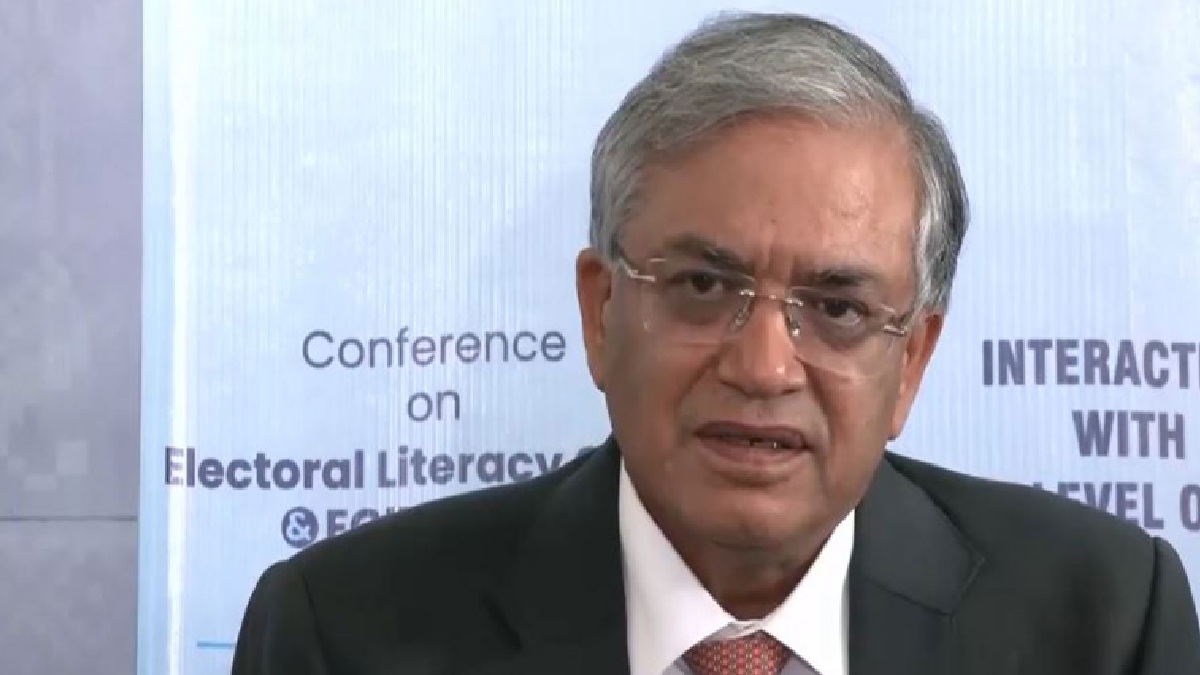
The notices can also be submitted when Parliament is not in session, sources have said. The move comes at a time when the Election Commission is being criticized by the Opposition for the functioning of the Election Commission and the way the SIR exercise has been run across the country.
The issue received further political attention following news on The Indian Express that Election Commissioners Sukhbir Singh Sandhu and Vivek Joshi had raised objections on several occasions over a period of 10 months regarding decisions and orders related to electoral roll procedures and the SIR exercise. The objections were related to voter additions and deletions, handling of voter data and changes to aspects of voter registration process.
Opposition parties have cited those internal observations and demanded serious investigations into the Election Commission. The Congress has suggested suspension of Kumar and other Opposition leaders have raised questions about the poll panel's decisions and procedures.
But the Election Commission has rejected any suggestion that differences raised during internal deliberations indicate a breakdown or division within the constitutional body. The poll panel said differences in views, observations and suggestions are part of the normal functioning of a multi-member institution.
According to the Election Commission's position, such internal discussions do not necessarily mean disagreement with the final decisions made by the body. The EC has maintained that all final decisions, including those concerning the SIR exercise, were made unanimously with the approval of all three Election Commissioners.
EC sources said Sandhu and Joshi had raised some concerns on certain issues, including voter deletions and electoral roll data. But they said these observations were not opposition to the final decisions made by the Commission.
The controversy has also brought new attention to how decisions are made by the Election Commission. Former Chief Election Commissioner Om Prakash Rawat said that decisions of a multi-member poll panel need to be made by consensus or by majority vote.
“However, when a decision is made, it must be by consensus or by a majority vote,” Rawat said.
The impeachment notice is now likely to be another point of political and institutional debate. The Opposition's move would require parliamentary consideration under the constitutional and statutory framework governing the removal of Election Commissioners.
The controversy at the moment comes at a time the SIR exercise has also become a major political issue, with Opposition parties questioning aspects of electoral roll revision and the Election Commission defending its procedures. Electoral roll revision is a constitutional duty and the final decisions of the Commission have been unanimous, the EC has said.
The proposed notices in both Houses could therefore lead to further discussion about the functioning of the Election Commission, internal decision-making within the poll panel or how to remove a Chief Election Commissioner through the legal process. Any further action will depend on the notice being submitted and the parliamentary process.