India's spiritual cities have been centres of faith, culture and history, and as such the city’s pilgrims and tourists come so many times a year.
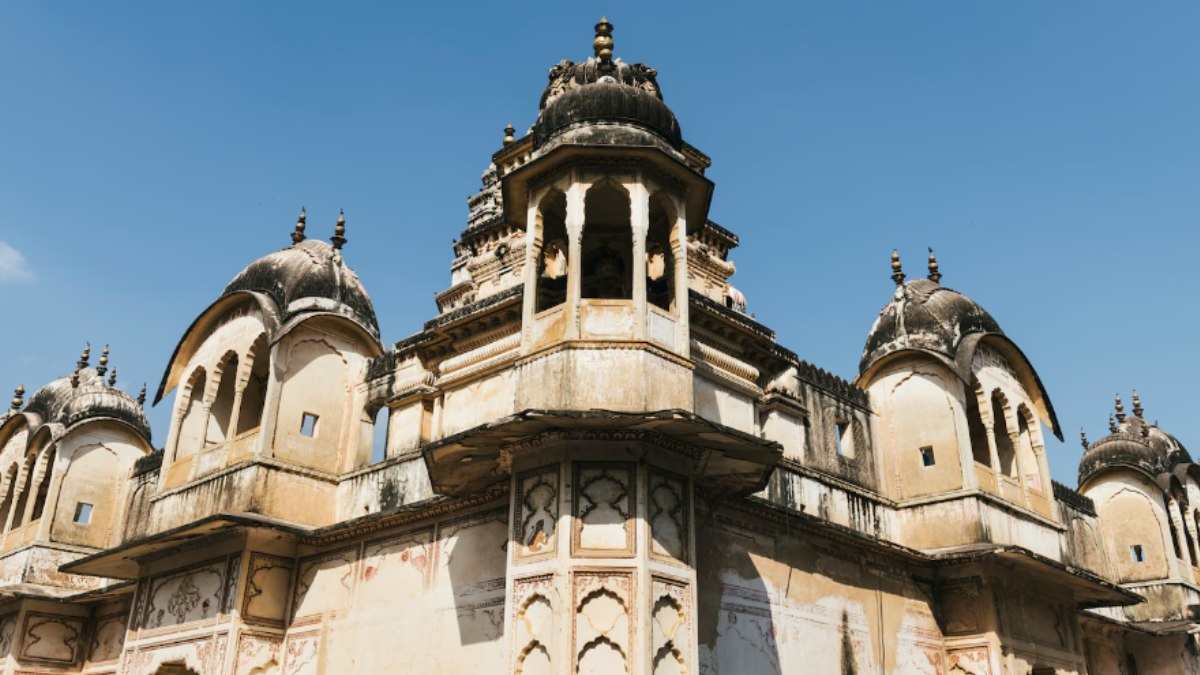
And from the ghats of Varanasi and the temples of Madurai to the holy places of Ayodhya, Ujjain, Puri, Kedarnath and Tirupati these places are of great spiritual significance. But in recent years these ancient cities have come under new development with modern infrastructure projects to overcome congestion, urbanization and visitor experience and preserve their cultural heritage.
The integration of large-scale infrastructure with heritage conservation is changing India’s spiritual landscape so that pilgrimages are safer, more accessible and economically beneficial for local communities.
Improved Connectivity Driving Pilgrimage Tourism
The biggest change we have witnessed is the expansion of transportation infrastructure. New expressways, widened national highways, new railway stations, modern airports and better public transport systems have reduced travel times to many pilgrimage destinations.
Projects like the Char Dham road connectivity programme in Uttarakhand have enabled access to sacred Himalayan shrines, and highways connecting Ayodhya, Varanasi, Prayagraj and other religious centres have made travel more convenient for millions of devotees.
Airport expansion in Ayodhya, Varanasi, Deoghar and other pilgrimage hubs also enhanced domestic and international connectivity, promoting both religious and cultural tourism.
Modern Urban Infrastructure
Many spiritual cities are undergoing comprehensive urban renewal under the various central and state government efforts. Roads have been widened, pedestrian pathways constructed, drainage systems upgraded, and public spaces beautified to accommodate the growing number of visitors.
Smart street lighting, surveillance systems, better sanitation facilities and digital information kiosks, parking infrastructure and better waste management have all contributed to improving the whole visitor experience.
There is also an emphasis on making pilgrimage centres more accessible to senior citizens and persons with disabilities by means of ramps, elevators, battery-operated vehicles and improved wayfinding systems.
Heritage Conservation Alongside Development
Infrastructure development is becoming more and more linked to heritage conservation whereas it is not replacing traditional architecture.
Projects like the Kashi Vishwanath Corridor in Varanasi have helped in improving access to the temple and creating wide public space and historical context in the city. In the same vein the Mahakal Lok Corridor in Ujjain has improved the area around the Mahakaleshwar Temple by providing beautiful public spaces, landscaping, sculptures and visitor facilities.
Kedarnath redevelopment efforts since the 2013 floods have been about disaster resilience and maintaining the temple’s religious value.
Such projects put modern infrastructure on the line while maintaining India’s architectural and spiritual heritage.
Economic Benefits for Local Communities
Construction of infrastructure has created jobs during construction and tourism activities have helped to support local economies.
Hotels, guest houses, restaurants, transport services, handicrafts, local markets and cultural enterprises have seen increased business as visitor numbers rise. Better infrastructure has also encouraged private investment in hospitality and tourism sectors.
For many local residents better roads, water supply, healthcare facilities, and digital connectivity have improved daily quality of life beyond the tourism economy.
Technology Enhancing the Pilgrimage Experience
Digital technologies are becoming a more integral part of the pastoral flow management and convenient use of pilgrims.
Many pilgrimage destinations now have:
- Online darshan and accommodation bookings.
- Digital queue management systems.
- Mobile navigation applications.
- CCTV-based crowd monitoring.
- Emergency response systems.
- Cashless payment options.
- Real-time travel information.
These innovations help reduce congestion, improve safety, and make religious travel more efficient, especially during festivals that attract big crowds.
Sustainability and Environmental Protection
The numbers of visitors are increasing and so development of sustainable infrastructure is becoming more strategic for authorities.
Measures include:
- Riverfront rejuvenation projects.
- Enhanced sewage treatment facilities.
- Solid waste management systems.
- Electric public transport.
- Green landscaping.
- Rainwater harvesting.
- Renewable energy installations.
In environmentally sensitive areas such as the Himalayas, planners are also adopting disaster-resilient infrastructure to deal with the hazards of landslides and floods as well as climate change.
Challenges That Remain
Despite the progress, several challenges remain.
If development is not balanced in terms of the environment and heritage sites, natural habitat and local communities, the fast urbanization can put pressure on heritage sites, natural ecosystems and communities. In order to meet tourist demand, the authorities need to balance the need for tourists and the need for cultural authenticity and environmental sustainability.
Experts also stress the importance of inclusive planning that involves local communities, conservation specialists, and urban planners to ensure long-term success.
India's spiritual cities are evolving into urban centers today that integrate old traditions with modern infrastructure. Connectivity, public facilities, digital services, heritage-oriented redevelopment are making these destinations more welcoming and boosting regional economic growth.
With future infrastructure projects growing across the country, modernization will have to complement rather than overshadow the rich cultural and spiritual heritage of these cities. If planned thoughtfully, sustainable development is the key to future growth, allowing India’s spiritual destinations to continue to inspire generations while catering to a growing population and increasing global tourism.