India has tightened the rules on high-caffeine energy drinks by prohibiting those beverages from being marketed as health-boosting or wellness products.
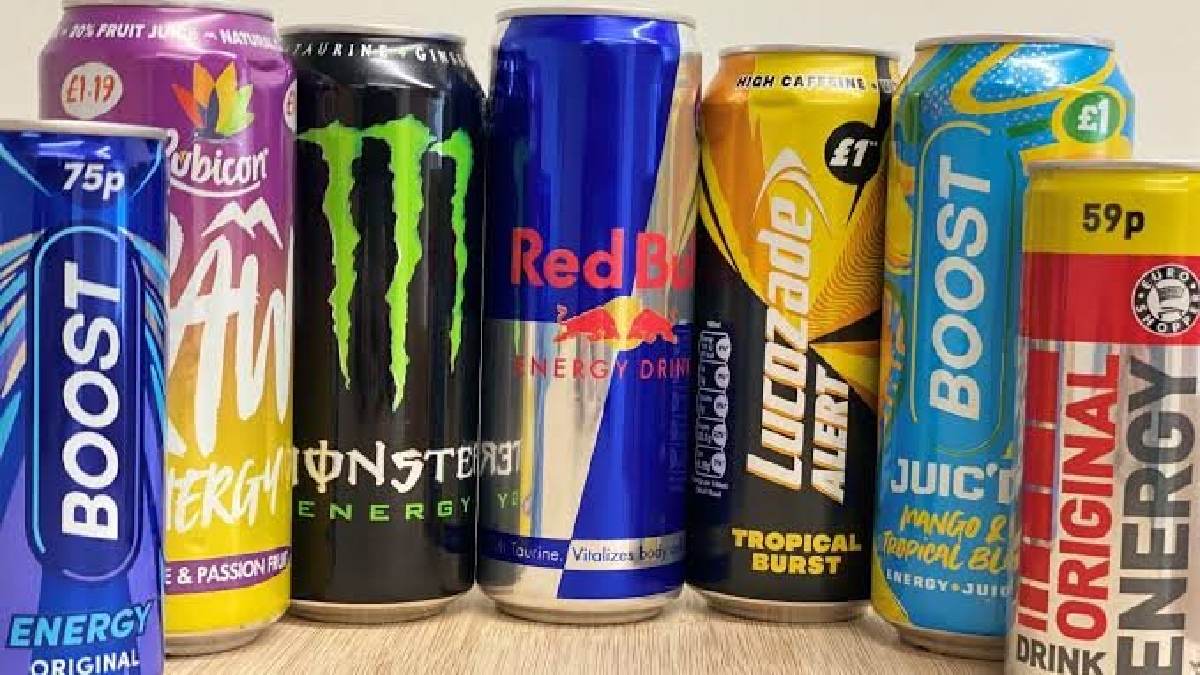
They are to stop misleading advertising and make sure that high caffeine beverages are not considered good alternatives to healthy drinks.
The new regulatory action is in response to the increasing popularity of energy drinks among teenagers, young adults, fitness lovers, and working professionals. The drinks have been marketed with claims about energy, stamina, greater focus, and overall health often caffeine and sugar on top of it, and most of the brands tried to market their products with such claims.
Caffeine consumption is also bad for health - insomnia, anxiety, increased heart rate, high blood pressure, dehydration, and dependence are all known side effects that can be very bad. People who consume multiple cans at a time may be more vulnerable to those kinds of side effects, especially if they already have medical conditions.
Now that the rules are changed, manufacturers and marketers aren’t allowed to advertise high-caffeine energy drinks as healthful, immunity-building, or physical beverages. Such claims can mislead consumers into believing that these goods are healthy and have health benefits as good as healthy food or supplements, the authorities said.
The decision will affect advertising campaigns on television, digital media, social media, and product packaging in the future. Now companies have to reframe labels, promotional materials, and marketing messages and may have to revise them to comply with the new guidelines.
Any health-related claims that are not scientifically supported could draw regulatory action.
Consumer rights groups have welcomed the decision, arguing that better marketing standards will give customers more information on what they’re buying so they can make educated purchasing decisions.
Energy drinks should be marketed as caffeinated beverages as opposed to health-enhancing products, they say, because consumers will better be able to understand what they’re drinking.
The regulation is also representative of a global trend, and there are several countries reviewing how you can sell and market high-caffeine beverages. The warning labels, age restrictions, and advertising restrictions in many countries have been introduced due to growing concern over excessive caffeine consumption in young people.
Consumers of products should read product labels carefully and monitor their caffeine intake daily. Pregnant women, children, adolescents, and those with cardiovascular conditions are generally advised to limit or avoid caffeine beverages unless recommended by healthcare professionals.
While the new rules don’t prohibit energy drinks, they further delineate beverages for stimulation from those that really make a difference in health and nutrition. Analysts expect beverage firms to adjust their branding strategies and to focus on communication with consumers.
With the growing awareness about nutrition and food safety in India, the latest regulatory step underlines the government’s commitment to reducing misleading health claims and promoting sensible marketing practices.
Consumers will benefit from better information and thus have the choice of healthier and more informed beverages.