India’s steel ministry is not likely to seek fresh restrictions on cheap steel imports to protect domestic producers and will keep on raising domestic producers’ concerns, a government source told Reuters on Friday.
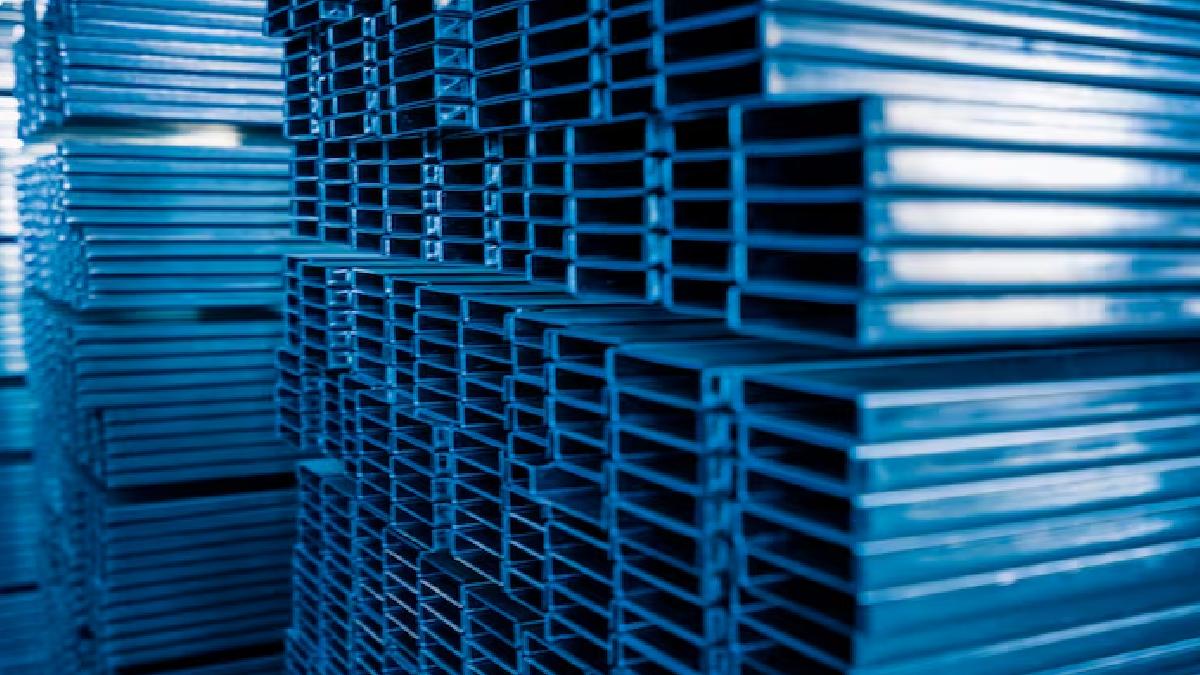
Steel imports into India are rising as it is also pulling down the manufacturing sector and putting pressure on local manufacturers.
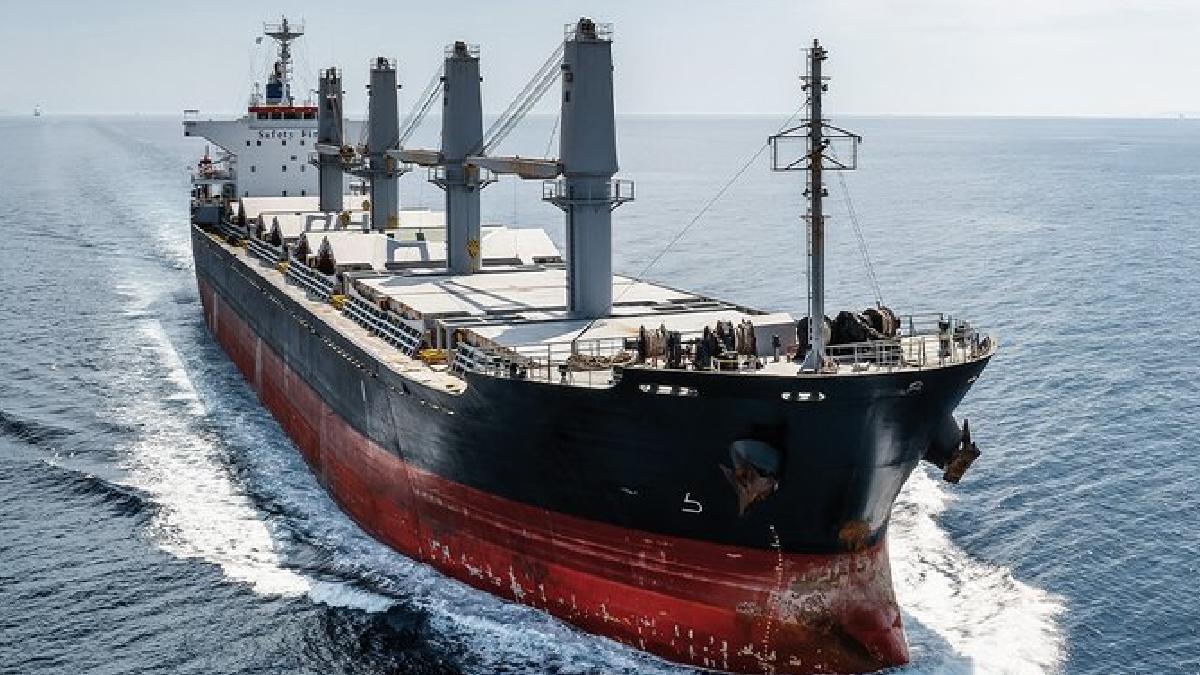
India, the world’s second-largest crude steel producer, imported around 3.5 million metric tonnes of finished steel from April through August in 2023, with a 29.5 percent surge against the same period the previous year.
China accounted for approximately 31.8% of the imports, meaning the country became the biggest source of finished steel entering India.
The increase in imports has alarmed domestic steelmakers, who have been looking to be more protected against cheap overseas supplies.
One steel producer had sought to make the safeguard duty on certain imports even higher from 11.5% to more than 20%. But the government has refused to listen, in part because domestic steel prices are already high.
The decision from the government is a recognition of the challenge to balance the interests of domestic steel producers with those of industries that depend on cheap steel.
In this way, high import duties would give the Indian mills more protection but it would also increase costs for others automobiles, construction and infrastructure.
The domestic steel prices have been rising amid higher coking coal costs and stronger demand following the monsoon season. Infrastructure and automobile companies are among the major consumers of demand.
Automobile sales in India rose 31.82% year-on-year in September and are expected to continue rising, and steel consumption will also increase.
India has already introduced several measures aimed at supporting domestic steel manufacturers. These include anti-dumping duties on certain products, countervailing duties and a provisional safeguard duty on some non-alloy and alloy steel flat products.
The government is also stepping up its Steel Import Monitoring System to track overseas supplies more closely.
A deregulated industry and therefore import and export decisions are driven by market conditions and commercial circumstances, the Steel Ministry has previously maintained.
Quality-control measures and trade remedies have been used by the government to address concerns over low quality or unfairly priced imports.
At the same time, rising imports are a concern to producers. Fitch Ratings has warned that elevated imports could weigh on the profit margins of Indian steel companies.
For domestic mills, continuous competition for cheaper foreign products could make it more difficult to pass on rising input costs to customers.
The recent stance indicates that the government is more concerned with market stability, rather than more imports. And with domestic steel prices already high, higher duties could raise costs for downstream industries since Indian producers want to expand their protection.
So India’s steel market is trying to find the right balance between domestic demand, higher production costs and competition from overseas suppliers.
For now, the government would not introduce new curbs and steelmakers would be forced to deal with the increase in imports in the existing trade-policy framework.