Hospitals are places of healing, caring and discipline. They are for patients, doctors, and staff, to make them all be safe and clean. But when public figures violate basic norms in those spaces, it’s a dangerous message to society. An incident in Patna called attention when a photograph of JDU MLA Anant Singh casually smoking a cigarette in a government hospital has been released. The widespread media coverage has been raising serious questions of civic respect, accountability and concern for the sanctity of public institutions.
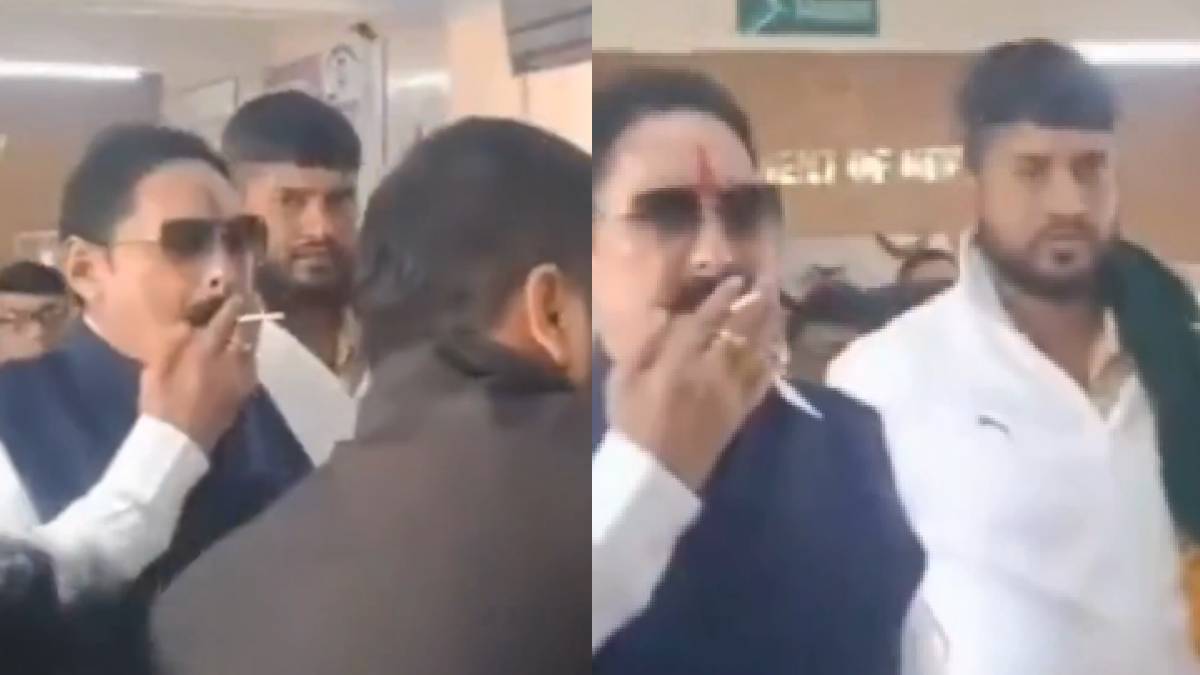
In the video, Anant Singh walking in a hospital corridor, next to the others in the corridor with a cigarette lit. Yes, clearly the scene is a public hospital, as smoking is illegal under health and safety laws. The caption: “Public hospital turned into personal ashtray,” “Indian civic sense on display,” he says. The words encapsulate the anger and disappointment of many citizens who seek for better conduct from elected officials.
JDU MLA Anant Singh smokes Ciggerate in Patna Hospital
— Nehr_who? (@Nher_who) January 19, 2026
Public hospital turned into personal ashtray
Indian Civic sense on Display pic.twitter.com/4qaDm9N5my
Smoking in public places, and more so in hospitals, isn’t a matter of bad manners, it is unlawful. Hospitals work with patients who have respiratory problems, infections or other severe illnesses. Cigarette smoke can deteriorate their health and create a dangerous environment. It’s both a poor example for public officials and a slap in the face when they break these rules, and what they should be doing is upholding the laws which they ought to be supporting!
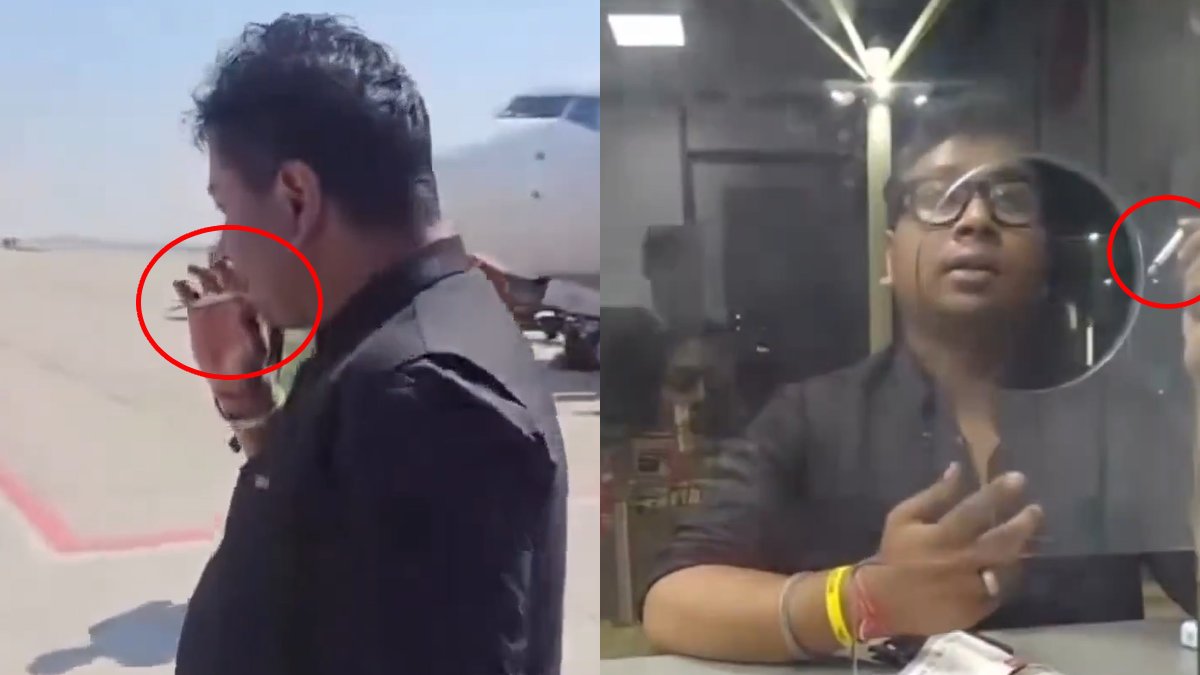
Public officials like MLAs are supposed to lead by following the example. What they do is watched very closely by the public and how they act reflects society’s rules. When officials in power disobey public health norms, it undermines trust in government. Citizens start asking: If leaders don’t follow it, why should anyone else?
This incident also exposes a larger problem of civic alienation in numerous public spaces in India. The civic sense is to have knowledge and respect for the shared rules underpinning social harmony. It includes modest actions such as not littering, following traffic signals and not smoking in certain places. Sadly, there are a lot of public places that are overlooked, exploited and disrespected. When leaders act irresponsibly it makes the problem worse.
Smoking is prohibited in hospitals under the Cigarettes and Other Tobacco Products Act (COTPA) by a number of places, and public smoking is illegal. Breaking this law can result in hefty fines and legal repercussions. Though such actions may be punishable by law for regular citizens alike, the powerful can sometimes evade punishment. Fairness and accountability are at risk. If laws apply to all, enforcement must be equal and consistent.
The video of Anant Singh smoking in a hospital sparked visceral responses online. Some said it was disgraceful and people vented anger in some form. Others said that this behavior speaks to an underlying failure in political culture, in which some leaders think they are beyond the law. Citizens have called for stronger enforcement of public health rules particularly in sensitive places like hospitals.
“This should not be looked away from. But it is a wake-up call for leaders and also citizens. Hospitals need to continue being smoke-free zones and public figures need to be held accountable for their actions. There needs to be some public education at every level of society regarding respect for public spaces as a joint responsibility of citizens.”
Smoking inside the hospital in the presence of an MLA is a rule of non-compliance, it’s a disrespect for our public health, our civic duty and our ethical leadership. When India grows and modernizes, it should have discipline and respect, too, in its public existence. Dignified leaders, and citizens demanding better behavior from those in power. Only then do public spaces genuinely serve the people they are meant to support.