Janata Dal (Secular) leader and Union Minister H.D. Kumaraswamy has criticised the Karnataka government for the way in which drought is being handled in the state, saying it was not able to take any effective steps.
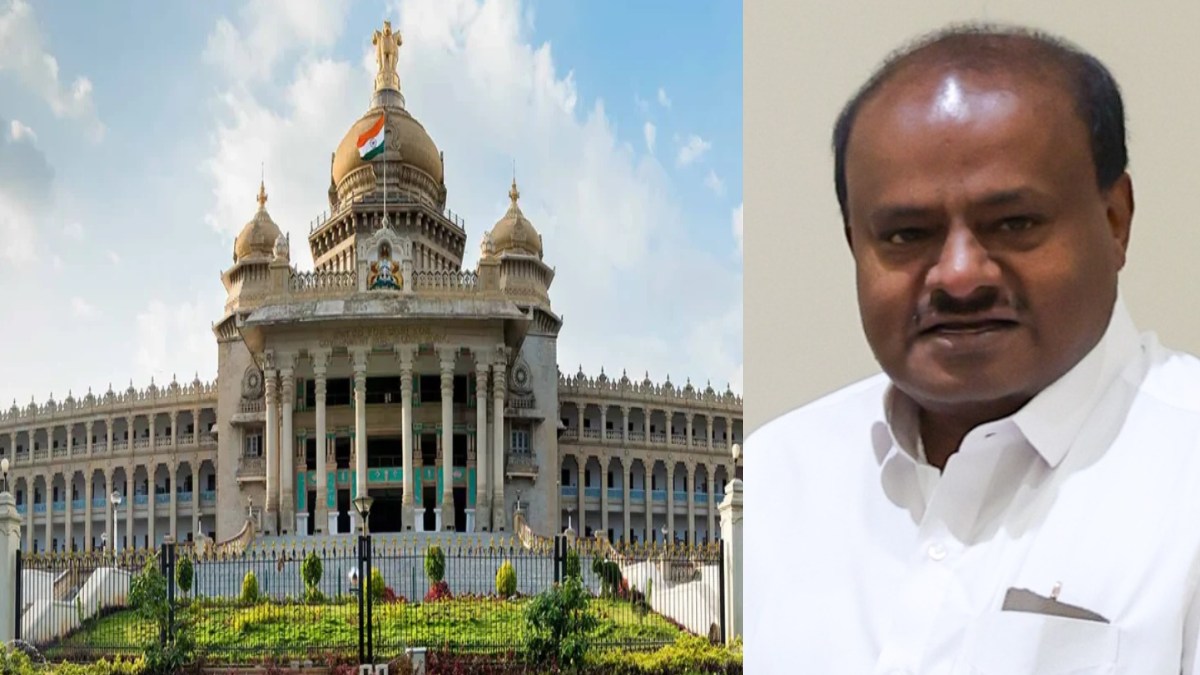
Kumaraswamy told reporters in a speech that the administration did not take any measures to curb the impact of the water scarcity in the state when there were constant warnings but the situation was still not improved and in some districts was worse.
On the one hand, he also said that the JD(S) would be present in the upcoming all-party meeting on the Cauvery water-sharing problem because the issue is not a political issue and needs to be taken as one because the people should unite against it.
Drought management must have been a priority from the get-go Kumaraswamy said. Underlying this, farmers in Karnataka have had to contend with a lack of rainfall, low groundwater levels, and decreasing reservoir capacity. Early planning and better water conservation strategies and immediate relief may have taken the pressure off rural communities that rely on agriculture to sustain their lives, he said.
The former Karnataka Chief Minister told us that we should have tried to prevent drinking water shortages, irrigation support and financial help to drought-hit farmers. When relief measures have not been taken, he said, many villages suffer from water shortages and agriculture and daily life gets affected.
Karnataka is facing challenges with the Cauvery River (South India’s biggest river). The dispute between Karnataka and Tamil Nadu over the sharing of the Cauvery waters is often exacerbated in the presence of low rainfall when reservoir levels are at a lower level than normal. Water availability is one of many issues that are difficult to control because farmers, urban residents, and industries have to meet the legal requirements that come from tribunal verdicts and court orders.
Kumaraswamy said that the JD(S) will be part of the all-party meeting to discuss Karnataka’s approach to the Cauvery issue. He said political parties would have certain differences on various issues but must show a united front to protect the state's interests in water resources. And it is important for good to have a consensus-based strategy that includes all parties, he said.
Political observers say that this Cauvery issue has historically united political parties of Karnataka, despite bitter political rivalry. So far, the governments have always sought all-party consultations before making decisions in terms of water release and legal solutions and negotiations with the Union government.
State government officials have emphasized that they are monitoring the drought situation and taking measures where needed. They pointed to ongoing efforts to supply drinking water and investigate crop damage and aid for farmers who have suffered crop damage. Opposition parties are still calling for greater transparency and swift implementation of relief programs.
Agricultural experts have long emphasized the importance of long-term water management policies, including rainwater harvesting, watershed development, efficient irrigation systems, and sustainable groundwater usage. They say climate variability is increasing the odds of droughts and is making them more frequent and severe, and governments need to invest in resilient infrastructure and scientific planning rather than relying solely on emergency measures.
The upcoming all-party meeting is expected to concentrate on Karnataka's legal and administrative approaches to the Cauvery issue as well as other impacts of drought on the state. Political leaders will discuss how we can address drinking water supply, farmers’ rights, and coordination between the state government, central authorities, and relevant agencies in the state and central governments.
As Karnataka grapples with water scarcity and the perennial issues of inter-state river sharing, these discussions will also play a role in the state’s response. Agencies, farmers, and local people will be closely watching the outcome of these discussions, either in terms of drought relief as a first step or in the long-term water management, for many years.