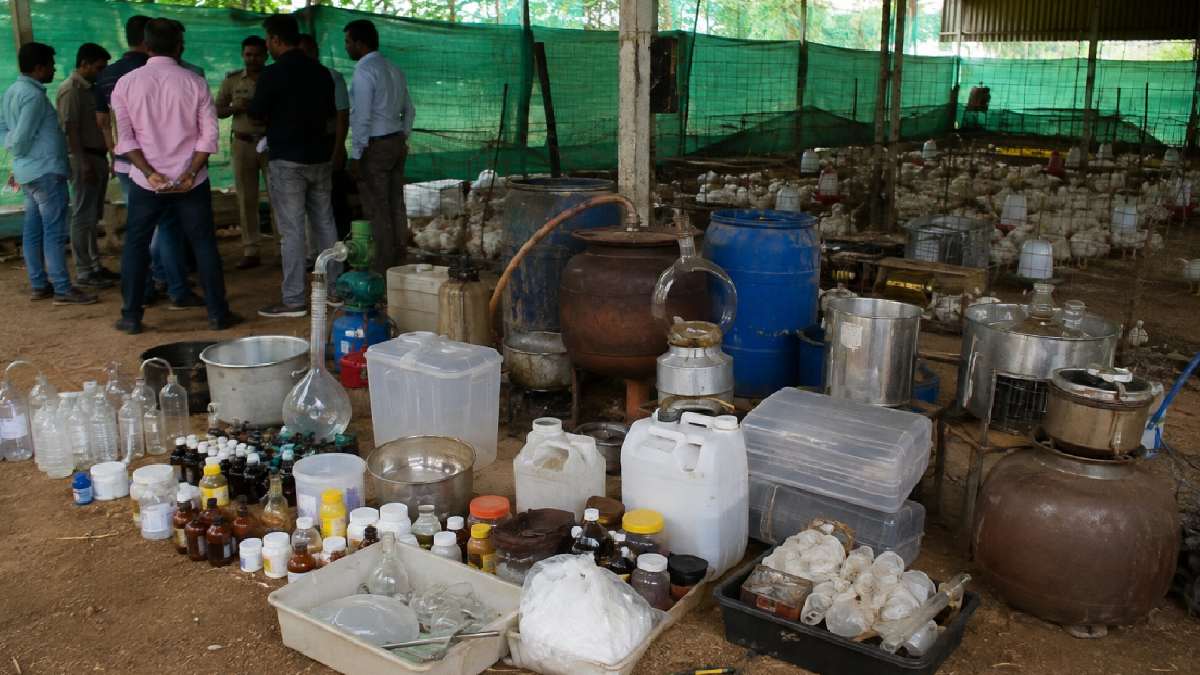
In a real-life crime story that feels like a thriller movie, Karnataka Police have unearthed a huge counterfeit currency racket after a single fake ₹500 note was found at a small shop in Tumakuru district. A simple complaint (a single fake ₹500 note) from a few months ago led investigators to a sophisticated network in which fake currency was printed and distributed across several places in Karnataka.
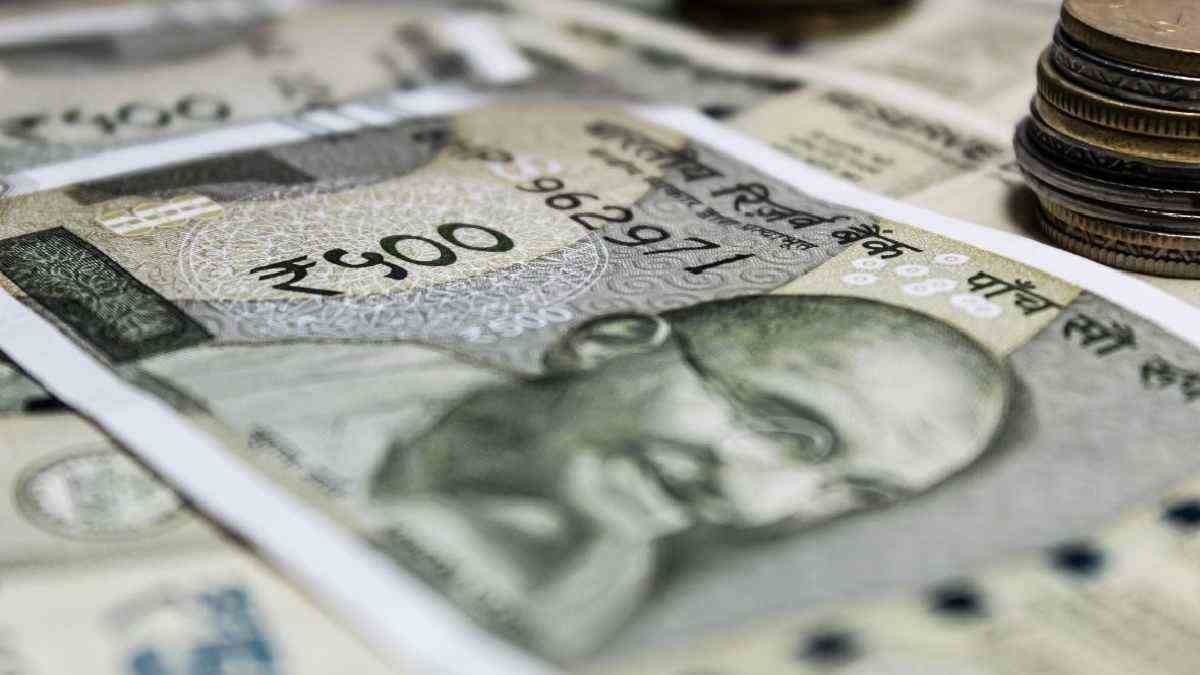
The breakthrough came from Huliyur village in Chikkanayakanahalli taluk, where two unidentified men visited a local grocery and pan shop to purchase cigarettes. They handed over a ₹500 note to the shopkeeper and left the premises without raising any suspicion.
A few days later, the shopkeeper observed that the ₹500 note seemed suspicious. That made him suspect that it was counterfeit. And so he went to the Huliyur Police Station and filed a complaint.
Although the case involved just a single fake currency note, police took the complaint seriously and launched an immediate investigation.
CCTV Footage Helps Crack the Case
Police teams from Huliyur and Chikkanayakanahalli began checking CCTV footage from the shop and nearby locations. With local intelligence, they identified the two men who had used the fake note.
Investigators found out that the suspects were not just small-time offenders but were, in fact, part of a much larger counterfeit currency syndicate in Karnataka.
Based on the information obtained, police conducted simultaneous raids at several places in Bengaluru, Mysuru, and near Anantapur in the vicinity of the Karnataka-Andhra Pradesh border.
Organised Counterfeit Network Exposed
The counterfeiting racket was running in a network with different teams printing, transporting, and circulating fake currency.
Police believe that the organisation had established an efficient supply chain to move counterfeit notes to various districts and that it was difficult to locate the source of the fake currency.
The network had already circulated fake notes worth several lakhs of rupees across Karnataka before the operation was uncovered, the police said.
Six Arrested; Fake Notes Seized
Police have so far arrested six key suspects that are suspected of being involved in the counterfeit currency business.
During the raids, investigators seized:
More than 60 high-quality counterfeit ₹500 notes
Printing materials and equipment allegedly used to manufacture fake currency
Mobile phones and electronic devices
Other documents and evidence connected to the racket
As police officials said, the seized notes were so close to genuine currency that it was difficult for ordinary people and shopkeepers to identify them in their daily transactions.
Investigation Continues
Although six suspects have been arrested, police believe the operation could involve many more persons out there.
Moreover, investigators suspect that the racket is widespread across Bengaluru, Tumakuru, and Mysuru, as well as counterfeit notes could be circulating in many other districts of Karnataka.
And now we are working hard to find the masterminds behind the operation, identify the source of the printing equipment, and discover the entire financial network supporting the illegal activity.
The investigation is continuing. As the investigation continues, more arrests are expected, the state attorney general said.
Police Issue Public Advisory
Accordingly, the Karnataka Police asked the public, shopkeepers, traders, and business owners to be vigilant when accepting cash (in particular high denomination notes).
The citizens have been advised to verify important security features on ₹500 notes, including:
The security thread
Mahatma Gandhi watermark
Colour-changing security ink
Quality and texture of the paper
Printing clarity and other authentication features
Police also asked the public to report any fake currency or individuals involved in fake note circulation immediately to the nearest police station.
Public information and prompt reporting will be essential in preventing counterfeit currency from spreading further and in dismantling the remaining members of the network, which are believed to be responsible for this.