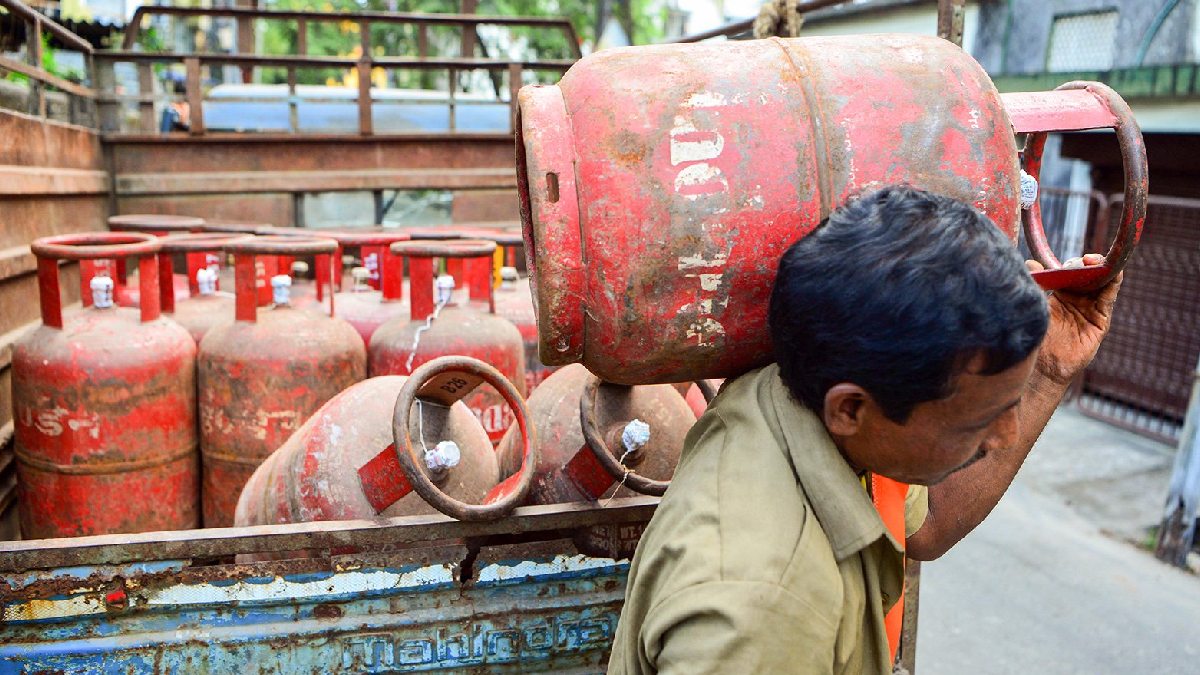
On 7 March 2026 LPG pricing in India once again went up, affecting both domestic and commercial customers. The increase comes as global energy prices climb from geopolitical tensions in West Asia. As subsidies ensure the protection of those vulnerable families under the Ujjwala Yojana, most households will now have to pay more for cooking gas.
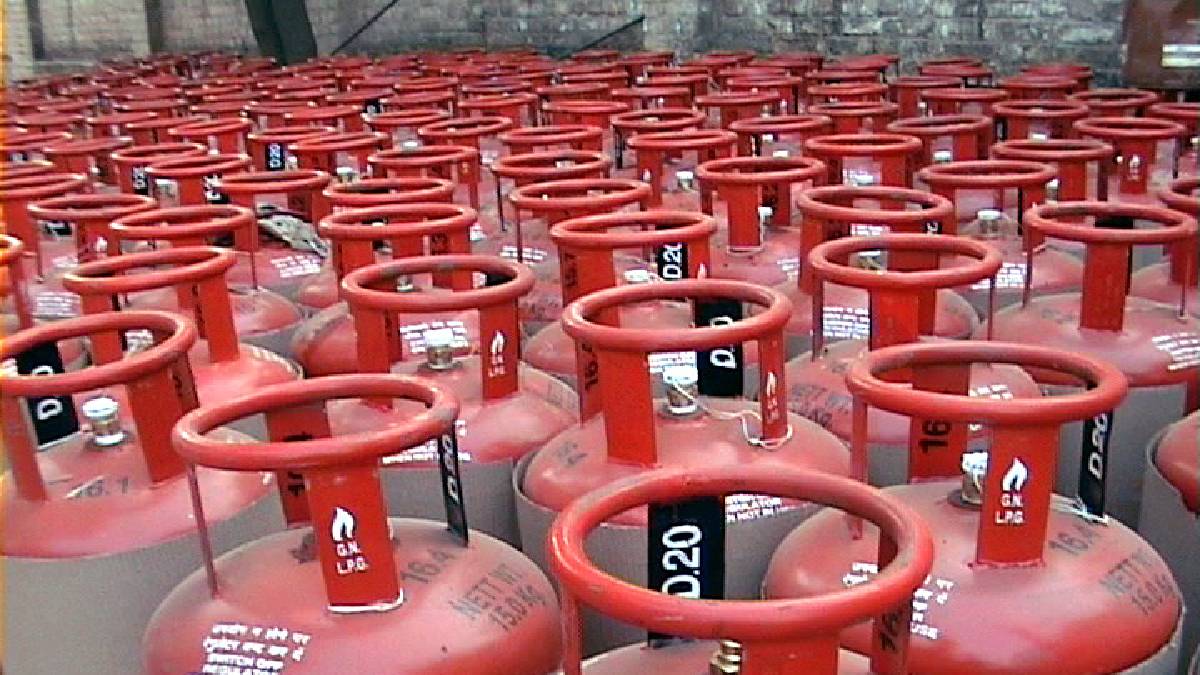
The government indicated that the price of a domestic LPG cylinder has increased by ₹60 (14.2 kg) and a commercial cylinder is set to go on the rise by about ₹115 (19 kg). In Delhi, not even a domestic cylinder is currently subsidised, so price for the domestic cylinder has gone from ₹853 to ₹913. Commercial cylinders used by many restaurants and hotels now cost ₹1,815.
The increase was required from high global fuel price pressures and supply chain disruptions due to conflicts in Iran and the Middle East, officials said. India, which imports a significant portion of its LPG, is hit hardest by these global trends.
The increase has raised alarm among households, with urban families who do not get subsidies particularly concerned. And many are hoping monthly budgets will be pushed further. Businesses dealing with food and hospitality are also getting concerned, as higher LPG prices are going to increase operational costs.
At the same time, the Ujjwala Yojana beneficiaries are receiving a ₹300 subsidy which helps dampen the blow to low‑income families. It has been appreciated for its financial aid, though detractors say additional help might be necessary if prices keep going up.
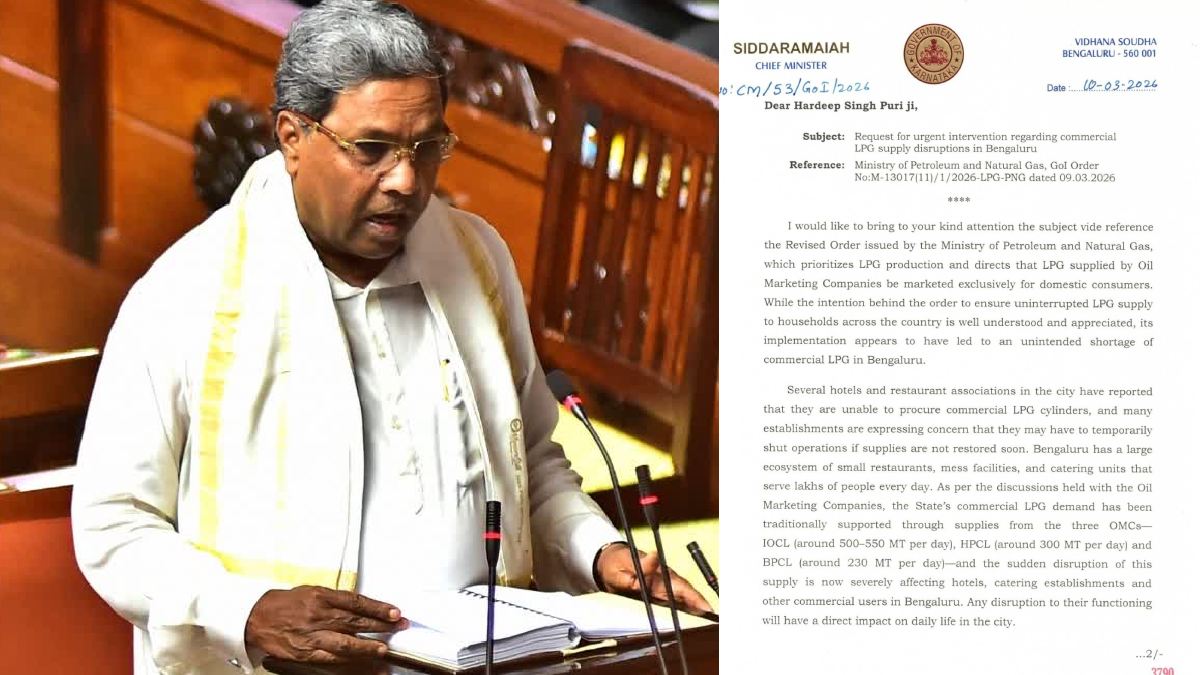
The LPG price hike is not only about cooking gas it is economically disruptive. Higher fuel prices can also cause inflation so retailers, hotels and small businesses would simply pass on costs to consumers. It also underscores India’s reliance on imported energy and the risks of world instability.
The situation has reignited discussions over expanding subsidies, growing alternative energy sources and hastening the adoption of renewable alternatives. Policymakers are confronted with the dilemma of how much to spend versus how to protect consumers.
The March 2026 increase in LPG prices demonstrates the direct impact between global conflict and the energy markets of India and everyday life. And even with subsidies on offer, most households and businesses will feel the pinch. The move reflects the need for greater energy security, long‑term planning and a transition from dependence on unreliable imports to more sustainable options.