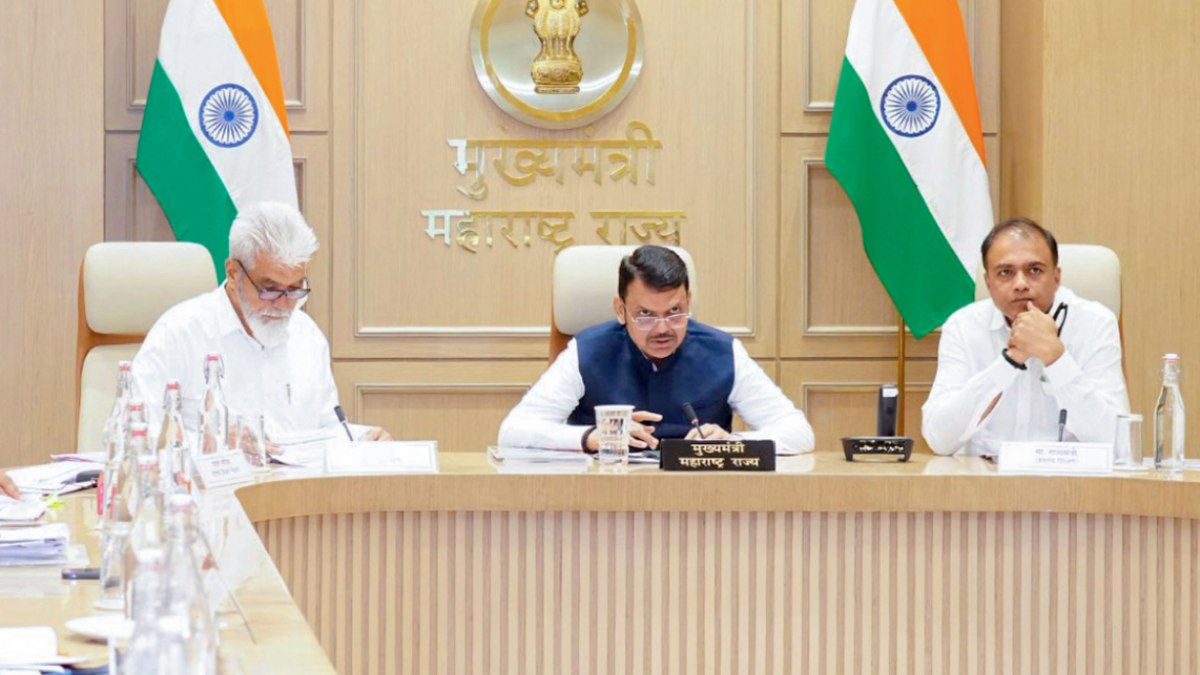
To protect children’s health and tackle rising rates of childhood obesity, the Maharashtra Food and Drug Administration (FDA) has banned junk food in a 50-metre radius of all educational institutions in the state. It was issued by FDA Commissioner Tukaram Mundhe, and it covers food and beverages high in fat, sugar, and salt (HFSS), such as chips, packaged snacks, chocolates, soft drinks, and deep-fried fast food. The total regulation covers government-run, aided, private, and residential schools from the government, CBSE, and ICSE education boards and will affect nearly 1.08 lakh schools and a population of more than 2 crore students in Maharashtra.

Under these new regulations, HFSS products are prohibited from being sold, marketed, or distributed anywhere in schools or just outside of schools. All school canteens, tuck shops, hostel mess facilities, and external food vendors in the school premises need to have all the necessary registrations or licenses and are required to follow the Food Safety and Standards Authority of India (FSSAI) rules. In order to promote healthy eating habits from an early age, school authorities are encouraged to substitute processed foods for local products by the FDA and to use fruits, vegetables, millets, whole grains, pulses, and dairy products daily. The institutions are also required to put in place good drinking water, hygienic food preparation, temperature control, and waste management systems.
In order to ensure that compliance is seamless on the ground, schools need to have a Food Safety Supervisor and Health and Wellness Ambassador in place as nodal officers. Food safety officers must be on hand to check for food safety documents and registration boards. Food safety officers must also conduct at least two mandatory inspections annually to ensure hygiene and nutritional standards are maintained. School principals and management teams will be held to account for such lapses or mistakes. Failure to be in compliance will be at risk of suspension or cancellation of operating licenses, immediate seizure of unapproved food products, and legal prosecution under the Food Safety and Standards Act, 2006.
This big regulatory action comes as public health concerns regarding the rapid increase in childhood obesity, diabetes, and other diet-related problems in adolescents mount. It also lines up with recent policy recommendations issued by an Indian Council of Medical Research (ICMR)-led task force that recommended a restrictive policy on unhealthy food marketing in and around schools. By establishing a very firm line around educational campuses, the Maharashtra FDA is working to change the nutritional landscape of millions of children so that their learning environment is a natural place to nurture long-term health and develop healthy habits.