The Maharashtra government’s decision to allow homeopathic practitioners to prescribe certain allopathic medicines has sparked a fresh debate in India’s medical community.
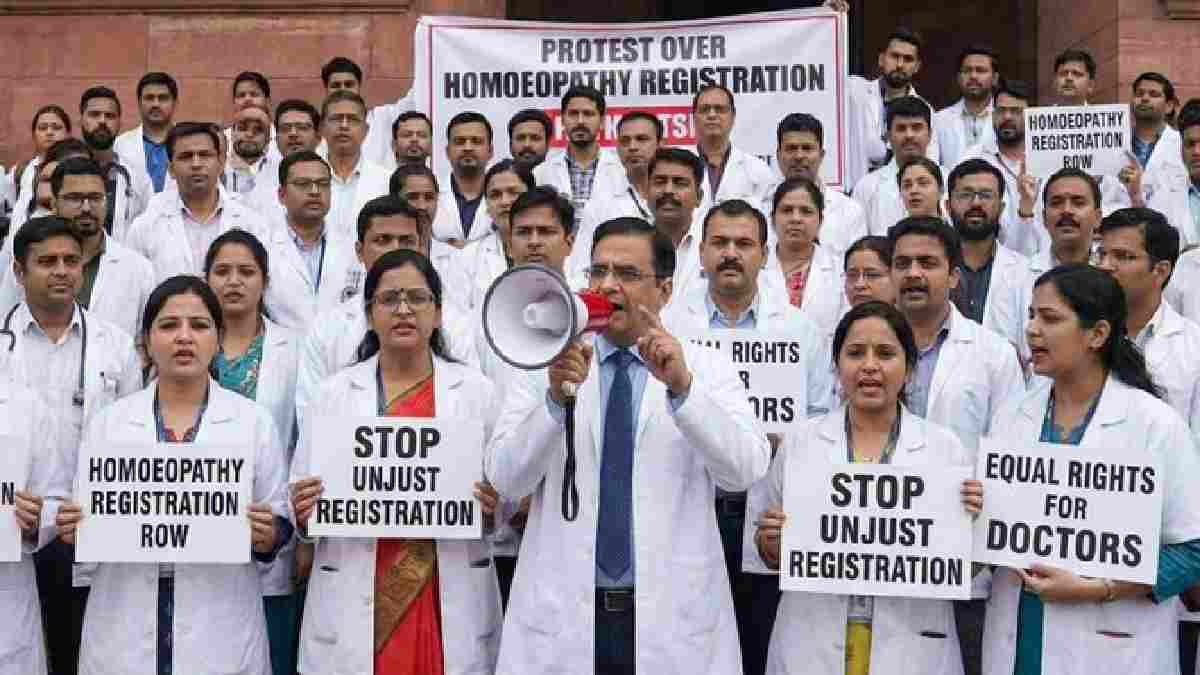
While the state government believes it will help make access to healthcare more accessible especially in rural and under-resourced areas, it has faced strong opposition from medical organizations who are concerned about patient safety and health standards.
The policy allows homeopathic doctors with the bridge course or additional training approved by the authorities to prescribe specific allopathic medicines.
As the government has said, the aim is to meet the shortage of allopathic doctors in remote areas of the state, where primary healthcare is very poor.
Supporters of the decision are convinced that trained homeopathic practitioners can be effective in reducing the burden on the public health system. Many rural health centres are unable to attract MBBS doctors, they say, and so medical services for local people are not good.
By allowing trained homeopaths to prescribe essential allopathic medicines, the government will be able to provide timely treatment for the most common diseases and improve healthcare delivery.
But the move has drawn sharp criticism from leading medical associations, including those who represent allopathic doctors. Critics say prescribing allopathic medicines requires years of specialized medical education, clinical experience, and practical training that homeopathy graduates don’t get as part of their standard curriculum.
Medical experts warn that cross-practice increases the risk of incorrect diagnosis, inappropriate prescriptions, drug interactions, and misuse of antibiotics.
The decision could also risk patient safety and blur the distinction between the different systems of medicine, they also warn.
The cross-practice debate in India is not new. Similar proposals in other states have been challenged by medical bodies and have faced protests from the government. The challenge in such matters is also about how to balance access to healthcare with professional standards in medical practice.
Health policy experts say the shortage of doctors in rural India is a real concern. But they also argue for longer-term solutions that include strengthening primary healthcare infrastructure, increasing recruitment of qualified allopathic doctors, expanding telemedicine services, and improving incentives for medical professionals to serve in remote areas.
The Maharashtra government’s decision will be further scrutinized by medical associations and may even be challenged legally.
Public health experts also stress that if the policy is implemented, clear rules and regulations must be in place, and that training and monitoring should be followed rigorously to ensure patient safety.
The debate also highlights a larger problem for India’s healthcare system: how to provide quality medical care to millions of people while addressing shortages of trained healthcare professionals.
Whether the policy will ultimately improve access to care or create new concerns will depend on implementation, regulatory oversight, and the safeguards put in place by health authorities.
The issue will surely linger with policymakers, doctors, and healthcare professionals for at least the next couple of weeks as they weigh the pros and cons of expanding prescribing rights to trained homeopathic practitioners.