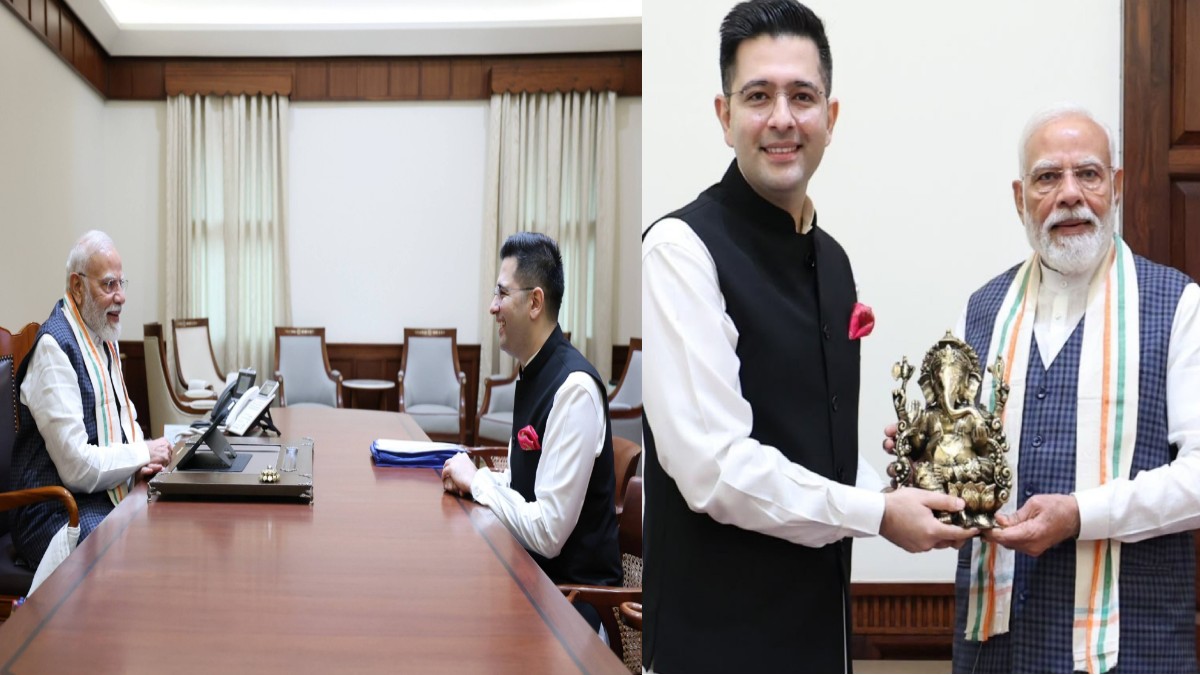
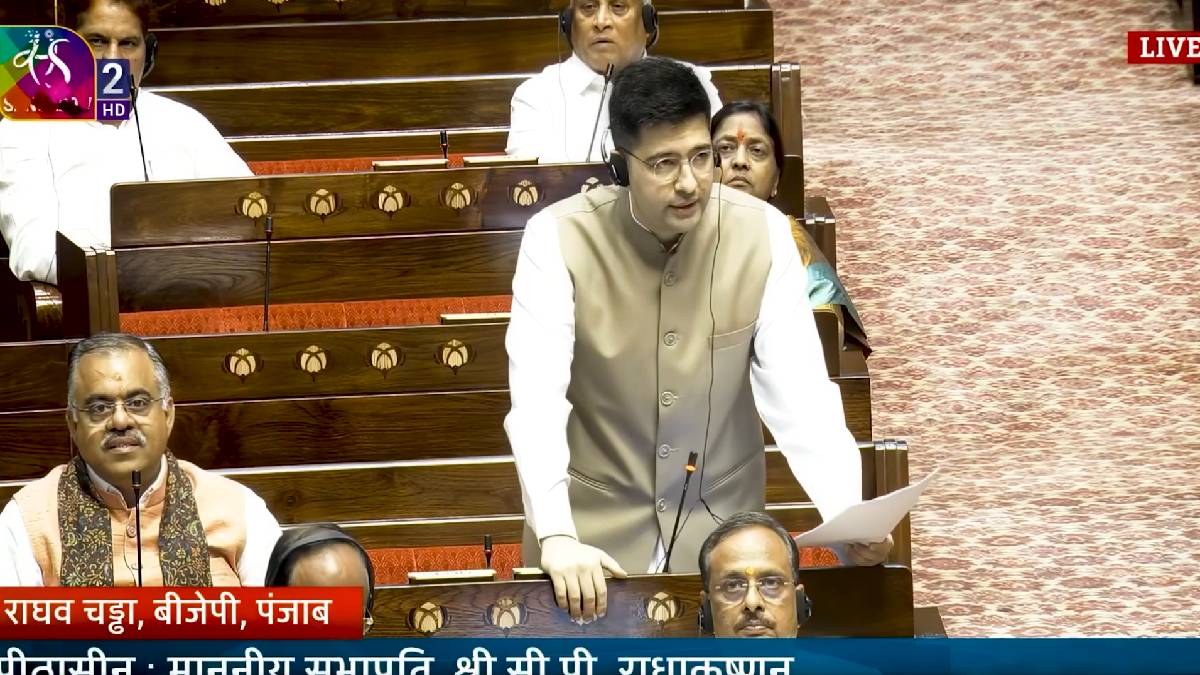
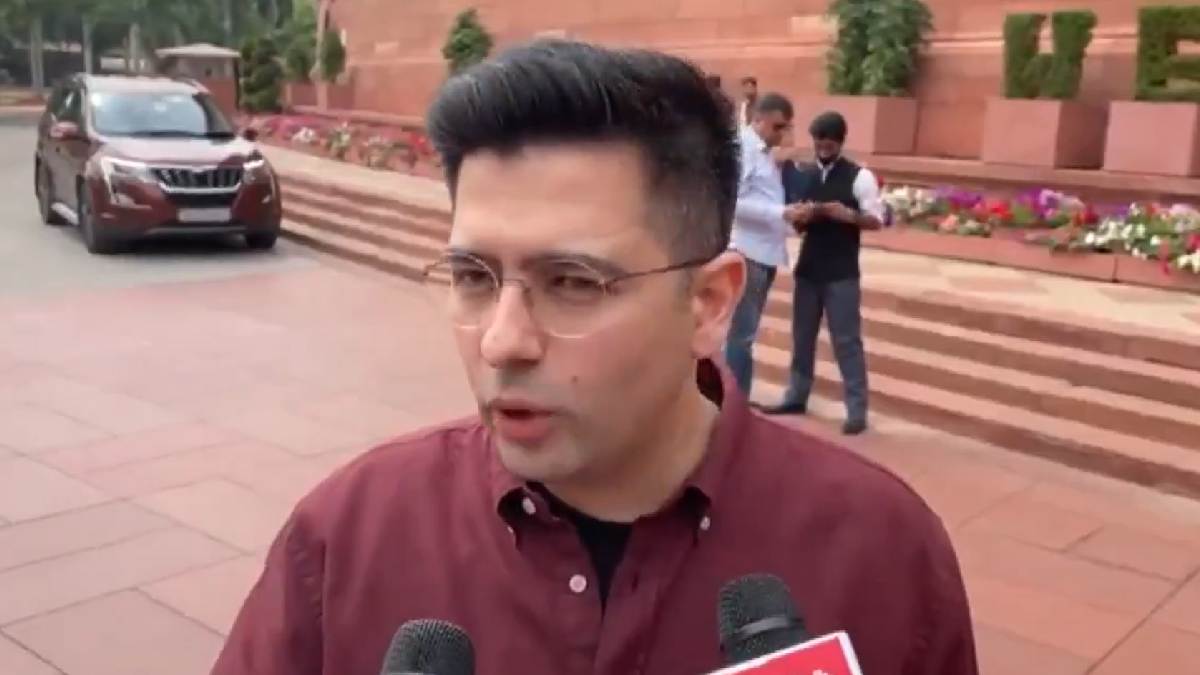
In a major political shake-up, senior leaders Raghav Chadha, Ashok Mittal, and Sandeep Pathak have reportedly resigned from the Aam Aadmi Party (AAP) and joined the Bharatiya Janata Party (BJP), delivering a significant blow to party chief Arvind Kejriwal.
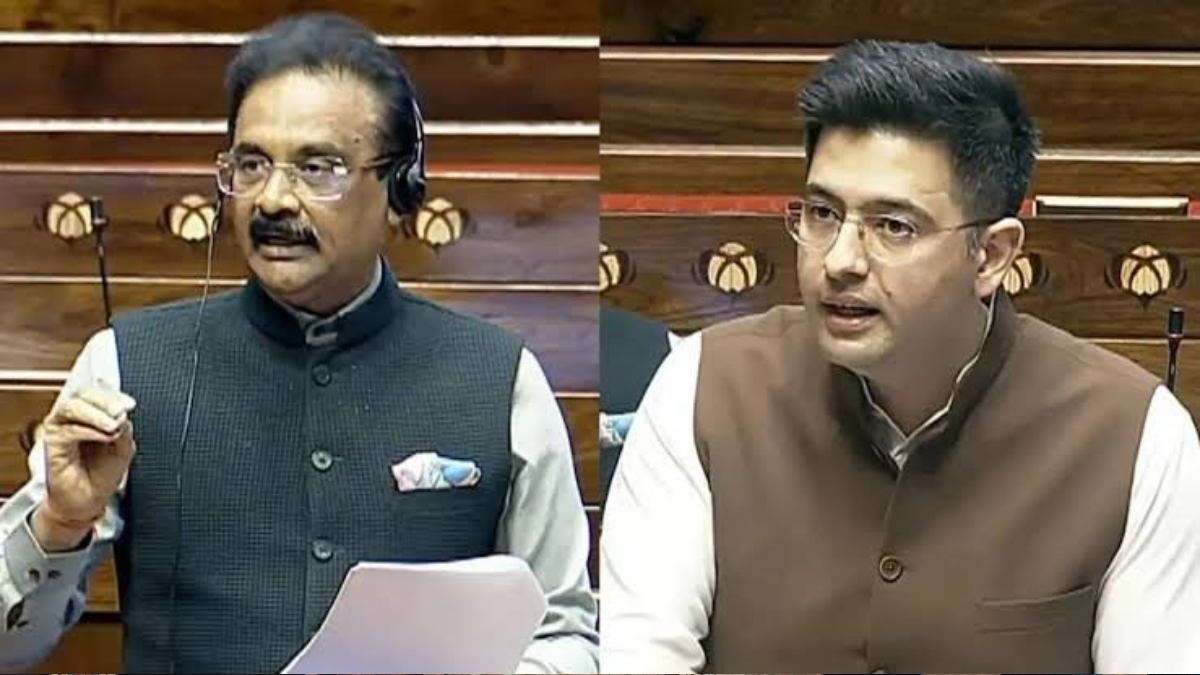
The sudden exit of these prominent leaders has sent shockwaves through the political landscape, particularly within AAP, which has been striving to strengthen its position at the national level. Raghav Chadha, considered one of the party’s most articulate and visible faces, played a key role in shaping AAP’s outreach and policy messaging. His departure is seen as a major setback for the party’s strategic direction.
Ashok Mittal and Sandeep Pathak, both influential in organizational and political operations, have also been crucial in expanding AAP’s footprint beyond Delhi. Their exit further weakens the party’s leadership bench at a time when it faces increasing political challenges.
According to sources, the leaders cited internal differences, lack of clarity in decision-making, and dissatisfaction with the party’s current leadership as key reasons for their resignation. While official statements are awaited, insiders suggest that growing tensions within AAP had been building for some time.
The BJP, on the other hand, has welcomed the leaders, projecting their entry as a sign of confidence in its leadership and policies. Party leaders stated that the inclusion of experienced politicians like Chadha, Mittal, and Pathak would strengthen the BJP’s organizational capabilities and broaden its appeal.

Political analysts believe this development could have far-reaching implications. AAP, which has been positioning itself as a strong alternative to national parties, may now face challenges in maintaining its momentum. The exit of key leaders could impact its electoral strategies, especially in states where it has been trying to establish a foothold.
For Arvind Kejriwal, this marks a critical moment. The loss of trusted aides and prominent voices within the party could force a reassessment of leadership style and internal cohesion. Observers note that how AAP responds to this crisis will determine its future trajectory in Indian politics.
Meanwhile, the BJP appears to be consolidating its position by attracting leaders from rival parties. This strategy not only strengthens its ranks but also weakens opposition forces, giving it an advantage in upcoming elections.
As the political drama unfolds, all eyes are now on AAP’s next move and whether it can recover from this setback. The coming days are likely to witness further developments, statements, and possible realignments in the ever-evolving landscape of Indian politics.