Heavy rain in Bengaluru got under way again made a lot of concerns about the city’s drainage and civic infrastructure in Bengaluru as rainwater has made for a more severe storm-water in Nayandahalli flyover drainage.
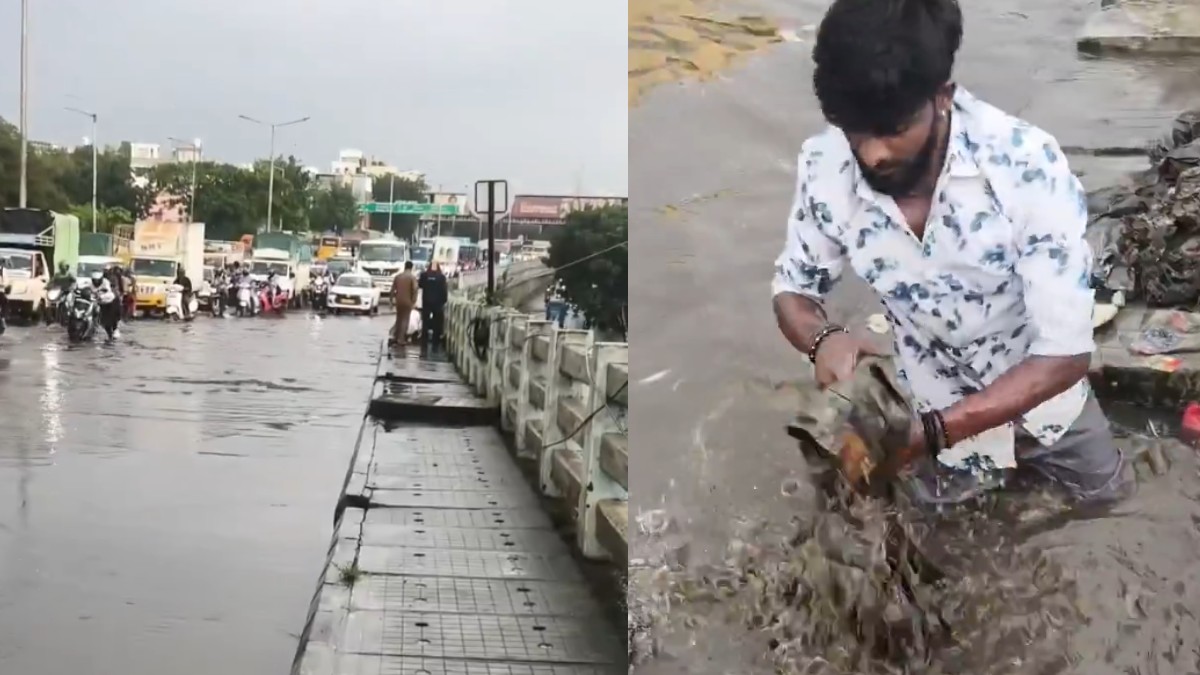
The civic infrastructure issues on Saturday’s heavy rains to come to mind once again showed up again, causing rainwater to soak the city's drainage and civic infrastructure to be further exacerbated by rainwater in Bengaluru after heavy rainwater reportedly accumulated on the Nayandahalli flyover and worsened traffic congestion caused by heavy rainfall, which caused traffic jams to be affected by a landslide in the Nayandahalli flyover, which has intensified in the past two days of heavy rainwater from the Nayandahalli flyover.
According to a social media post from the Nayandahalli flyover, the rainwater had blocked the Nayandahalli flyover after a drainage point got stuck, Shivakumar entered the blocked drain and removed waste and debris, the report says. His intervention helped clear the obstruction and restored traffic in the affected stretch.
The incident has been depicted as an example of the mounting frustration in Bengaluru residents from recurring waterlogging, garbage accumulation and drainage problems. In a social-media post, they said residents should not have to do work that is ordinarily expected to be done by the city council.
The post compared the city’s hopes to become a modern and internationally known urban centre with the ground-level problems experienced by residents during heavy rainfall. “This is not Brand Bengaluru. It’s Garbage Bengaluru” was used to express discontent with the city’s infrastructure and waste management.
Nayandahalli’s incident is significant because waterlogging on major roads and flyovers can lead to traffic bottlenecks quickly in Bengaluru. Even a small blockage in a stormwater drain can prevent rainwater from flowing away efficiently. And if garbage, silt or other debris blocks the drainage channels, it can create water that collects on roads and inconvenience motorists, pedestrians and public transport users.
Drainage management is therefore very important for a city with a rapidly growing population. Bengaluru is prone to heavy rainfall, so maintaining drains before and during the rainy season is crucial to reduce the risk of waterlogging and traffic disruption.
The Nayandahalli episode also raises wider questions about the relationship between waste management and urban flooding. Plastic waste, food packaging, leaves, construction debris and other discarded materials can enter drainage systems and restrict the movement of rainwater. Cleaning and responsible disposal of waste are therefore key to preventing blockages.
At the same time, there is a responsibility for public drainage infrastructure on the part of the municipal authorities and agencies. Residents can help to avoid littering and to report blockages, but entering the drained channels is hazardous. Drainage channels can contain hazardous water, sharp objects, unstable surfaces and more. Civic workers equipped with appropriate protective equipment are better suited for the job.
The incident has also brought attention to the role of the Greater Bengaluru Authority (GBA) and state government in addressing civic infrastructure challenges. With Bengaluru being changed throughout its administrative and governance structure, residents will expect to see improvements in basic services like drainage maintenance, waste management, road upkeep and traffic infrastructure.
The criticism expressed online reflects a greater concern: Residents want civic systems to function before problems become emergencies. Prevention of drain cleaning, regular inspection of vulnerable places and quick response during heavy rainfall may reduce the need for individuals to intervene themselves.
However, the exact circumstances of the Nayandahalli incident, including the condition of the drain and the response time of civic authorities, would need to be established independently. The social media account provides a perspective on the episode and the information from the concerned civic agencies could provide additional context.
However, this is an acute reminder of the difficulties Bengaluru faces during periods of heavy rainfall. If an urban city wants to present itself as a modern city where infrastructure is modern and the services are excellent, it needs to have drainage and waste management systems in place.
For commuters, the immediate priority during such events is safety and uninterrupted travel. As for municipalities, waterlogging at major flyovers and arterial roads with high water levels are not only the first to be treated, but also the last to be dealt with after flooding has started.
Yesterday, rainwater jammed the Nayandahalli flyover. A citizen, Shivakumar (Insta: @vishvitha51), climbed into the clogged drain, cleared the filth himself, and got traffic moving. This is not Brand Bengaluru. It is Garbage Bengaluru. GBA and the state government should be ashamed that residents are doing the job they are paid to do.
— ಸನಾತನ (सनातन) (@sanatan_kannada) October 8, 2026
The photo of a person walking into a clogged drain to get rid of garbage may have solved a problem at the time, but it is also a question about civic responsibility. Residents keep public spaces clean, and authorities maintain public infrastructure and respond to problems.
The Nayandahalli episode has become more than a case of a clogged drain. It has caused a discussion about better drainage preparedness, waste management and accountability in Bengaluru’s rainy season to come out of the corner. And with the city growing, efficient civic services will be very important to avoid the recurrent disaster of heavy rainfall which will turn ordinary commutes into traffic and waterlogging headaches.