A terror attack targeting non-local labourers in Jammu and Kashmir’s Kulgam district has triggered widespread concern after a family member of one of the victims claimed that the attackers asked the workers about their caste and religion before opening fire.
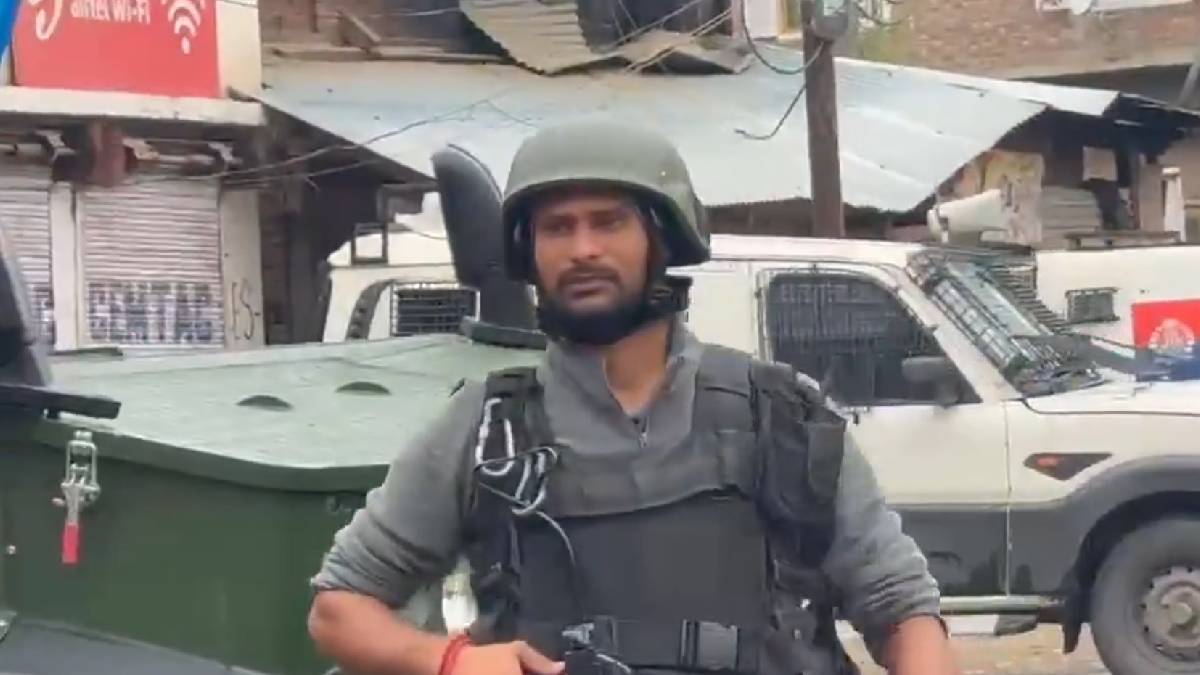
The attack took place at a brick kiln in the Kellam area of Kulgam where gunmen opened fire on two labourers from Chhattisgarh. At first the report was one worker killed and another seriously injured. It turns out that both labourers died following the attack.
SHOCKING 🚨
— The Analyzer (News Updates🗞️) (@Indian_Analyzer) August 1, 2026
Sudarshan News claims terrorists in Kulgam SHOT dead two non-local labourers after allegedly ASKING their RELIGION 🤯
The channel describes it as a “Pahalgam-style” attack. pic.twitter.com/jAibvPdPbD
The claim that the victims were questioned about their identity before being shot has drawn comparisons with the April 2025 Pahalgam terror attack, in which survivors said terrorists sought to identify victims based on religion before opening fire.
However, questions about caste and religion in the Kulgam attack have come from the family of a victim and have not yet been independently confirmed through an official investigation.
The family’s claim has intensified fears that the attack may have been carried out purposefully based on identifying and targeting non-local workers.
The incident has also reignited the debate over the safety of migrant labourers working in Jammu and Kashmir. Thousands of workers from Bihar, Uttar Pradesh, West Bengal, Chhattisgarh and other parts of India travel to the Union Territory for jobs in construction, agriculture, brick kilns, tourism and related sectors.
The victims were working at a brick kiln when the gunmen carried out the attack, they said. Security agencies launched an investigation and began searching for the culprits.
Political leaders and government officials have said they are appalled at the attack. Jammu and Kashmir Chief Minister Omar Abdullah announced financial aid for the families of the victims and expressed concern about the violence.
And it is being treated as a serious security issue because of the apparent targeting of non-local labourers and the possibility that the victims may have been identified before the shooting.
The term "Pahalgam-style attack" has been used by some media outlets and social media users to describe the alleged identity-based nature of the Kulgam shooting.
The comparison is to the April 2025 terror attack in Pahalgam, in which victims’ survivors and families say gunmen asked people about their religion and, in some cases, forced them to recite an Islamic declaration of faith before they picked victims.
The Kulgam incident, however, is different in scale and circumstances. The recent attack involved two migrant labourers at a workplace and the Pahalgam attack targeted a large group of tourists.
Investigators will need to establish if the attackers in Kulgam actually asked the victims about their religion, what information they sought, and whether the alleged questioning was connected to the selection of targets.
Authorities are also going to investigate whether the attackers had prior knowledge of the labourers or whether the victims were targeted because they were not local employees.
In general, correspondence records, local intelligence inputs, eyewitness accounts and evidence collected from the brick kiln are all possible.
And security agencies will be analyzing the movements of suspected militants in the area and whether the attack was planned.
The attack has raised new fears of migrant workers being exposed to militancy in areas of the world in which it has an impact.
Local labourers often work in remote locations and may have limited access to security arrangements. For some local economy sectors such as construction and agriculture, their presence is critical.
If attacks against migrant workers increase, there will be fear among labour communities and job and economic activity will be affected.
Political leaders have called for strong action against those responsible and increased protection for non-local workers.
The attack also attracted strong reactions on social media, where many users have demanded a swift investigation and harsh action against the perpetrators.
At the same time, officials have warned not to draw conclusions before the investigation is completed.
The claim that the victims were asked about their caste or religion is serious and requires verification based on evidence and witness testimony.
A final investigation will be crucial in discovering the motivation for the attack and whether or not the victims were selected based on identity.
The Kulgam attack has once again highlighted the continuing security problems in Jammu and Kashmir and the danger faced by civilians, particularly migrant workers.
As security forces continue their investigation, attention will continue to focus on identifying the attackers, establishing the motive and verifying the family’s allegation regarding identity-based targeting.
The attack has only made the concept of stronger security measures and greater protection for non-local workers in sensitive areas in Jammu and Kashmir more pressing.