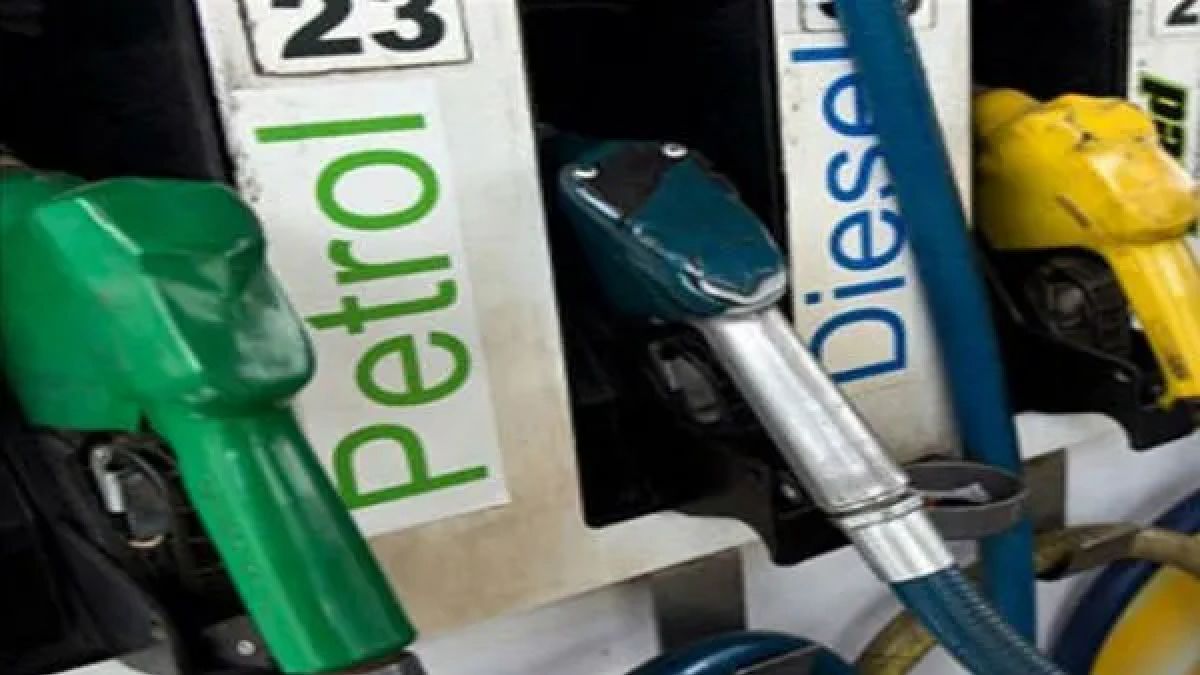
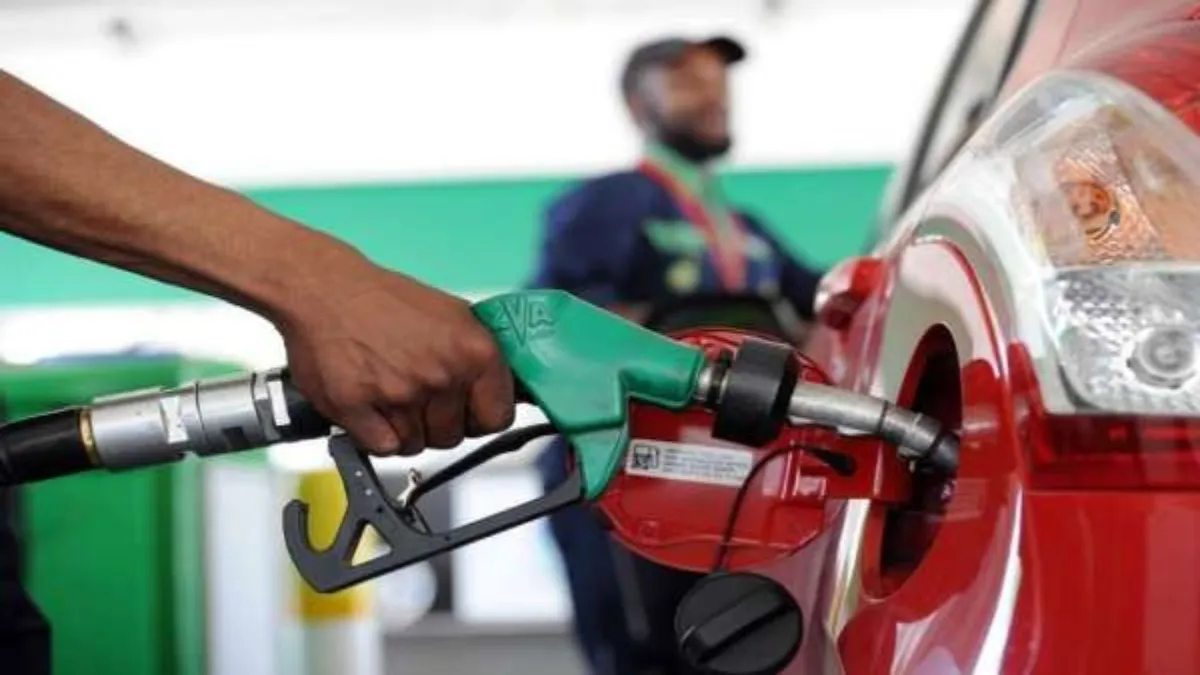
With millions already losing out to rising household costs, the price of petrol and diesel has surged by Rs 3 per litre across India, a massive hit to consumers. Fuel prices as they stand at midnight have changed, taking a toll on the price of transportation, daily commuters, businesses and on people’s living environment.
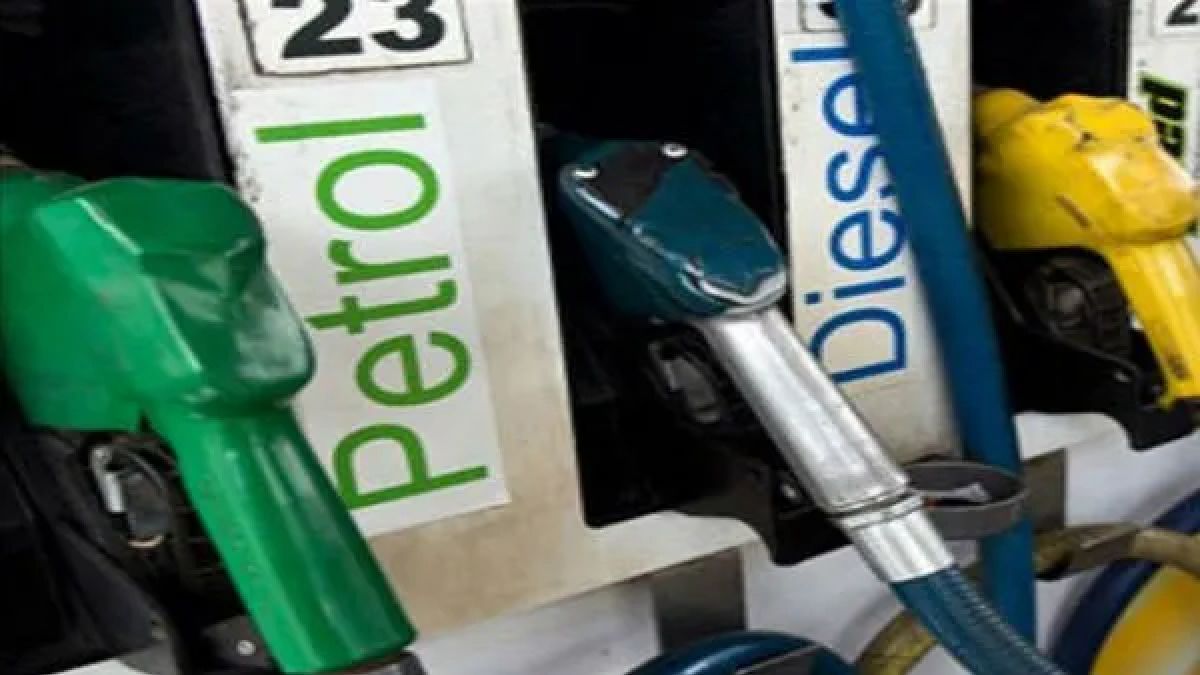
Oil marketing companies said they announced their latest update of the price controls had been revised to reflect surging global oil prices, increases in import costs and market volatility around the world. They will hit the high price of each of the millions of cars, especially those depending on private transportation and commercial vehicles.
In Delhi, Mumbai, Bengaluru and Chennai, the prices of petrol were already sky-high in all major metro cities after the most recent increase. Diesel prices have also increased and sent alarm bells ringing right to transport companies and those industries that depend heavily on fuel for operations and everyday logistics.
Experts believe a surge in fuel prices could spark inflation in some sectors. Prices for goods and services, including transportation, which will go up, will eventually increase the cost of vegetables, groceries, food staples and online deliveries.
Changes to bus and taxi fares could also affect the economy in the coming days, public transportation operators said. It has sparked political retribution nationwide. Opposition parties hit the Centre for placing an onus on common people, and some consumer groups demanded that the economy speed up relief measures.
Public perceptions played out loud on social media, when citizens grew particularly concerned about the cost of living going up, among other things. Economists say global geopolitical tensions and unstable crude oil supply chains are still impacting fuel prices in India. India buys a substantial part of its crude oil from overseas, and the disruptions in the international oil market affect the local price of fuel in India.
Meanwhile, state governments must also reduce petrol and diesel taxes to help citizens. Several academics have urged temporary tax cuts or subsidies to tamp down inflation and support the transport industry. For everyday commuters as well as companies, the rises result in increased month-on-month costs.
But it’s probable the biggest number of casualties will be in commercial vehicle companies, cabs and delivery operators, among others, for fuel is among the highest cost items that they spend each day to run their businesses. It has left consumers watching carefully to see if prices will have to start rising again in the next couple of weeks, as global crude oil trends do and what national governments do about it or not.