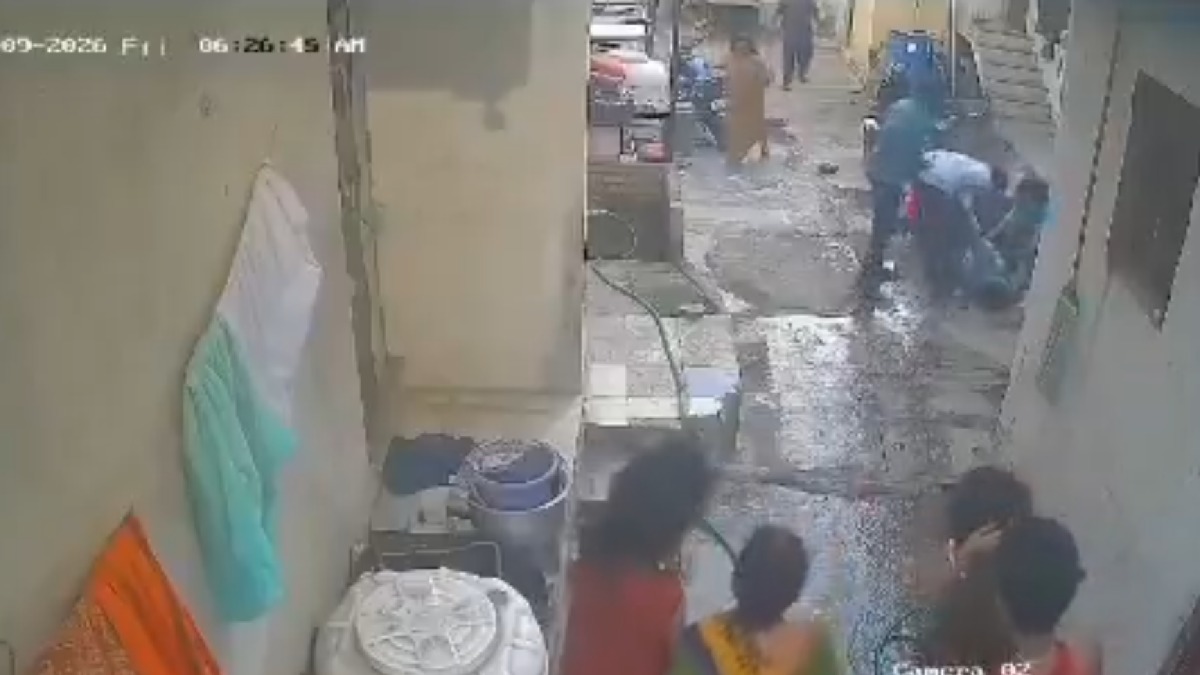
Narendra Modi said he would like to apologise and reconcile with the people of Jantar Mantar after some young people in the vicinity of the party said that some people used abusive language in public. Modi spoke through a video recorded on Instagram, expressing his disappointment with the language used, but said that young people are responsible for their actions and he should not punish them.
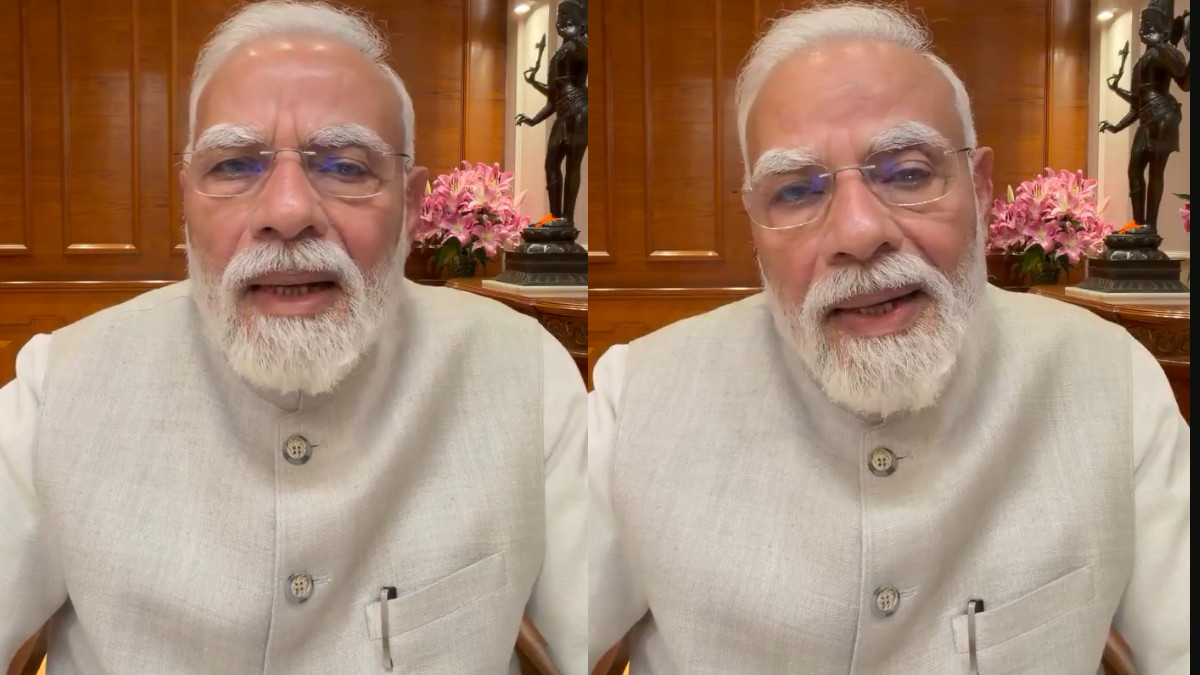
Modi said in his video message that he and his late mother had been subjected to abusive remarks during the incident. The episode was an ugly spectacle, and the language was not in line with the values of a civilised society, he said. But rather than retribution, he said, the Prime Minister wanted to address understanding, forgiveness and society’s duty to help young people learn from their mistakes.
The Prime Minister said mistakes are part of childhood and youth, and growing up is about correcting and growing as a person. So though he acknowledged the widespread public response to the incident, he also stressed that anger and constructive engagement should be the focus. Modi said the issue might have shocked people culturally and socially, particularly because the language used came from young girls, but that shouldn’t be taken as a cause for lifelong condemnation.
Modi said that putting some young people to shame wouldn’t solve the underlying problem. So society should embrace them, help them understand what they’ve done wrong, and guide them toward a better path,” he said. He described compassion, rehabilitation and the impact of community on future generations.
#WATCH | Prime Minister Narendra Modi shared a video on his Instagram handle, in which he says, "Today I just feel like talking to you. The country and the world have witnessed what happened at Jantar Mantar. Some mischievous children used very crude and abusive language, words… pic.twitter.com/HhSPWaFmzz
— ANI (@ANI) July 31, 2026
Using a metaphor to put it in perspective, the Prime Minister said that when a person’s tongue accidentally gets caught between their teeth and bleeds, they’re not breaking their teeth in response. Both belong to the same body, he said, and the children involved are part of the nation’s larger family. It is hard but necessary to help those who have lost their way, he said, and society must take responsibility for assisting young people to make better decisions.
The Prime Minister also directly addressed the young supporters of the crisis. He told them to take a stand in the midst of it, look at what they had done wrong, learn from it and move forward and to make things a bit better. Modi said India is moving very fast, and young people have a great deal to play a role in the development of India’s youth, and they have to be able to contribute positively and achieve positive objectives and develop their self-esteem.
The message has been debated on social media and political circles. Modi’s call for forgiveness has also been hailed as a statesmanlike message of unity and social healing as well. But accountability should be balanced with compassion when dealing with young people who may have acted impulsively.
Political observers say the Prime Minister’s comments reflect a broader focus on youth engagement and nation-building. Modi has spoken often about the need to empower young Indians, to encourage innovation, education, entrepreneurship and civic duty, which is important for young people in India. His remarks are consistent with that theme of learning and self-improvement rather than punishment.
The video has received a lot of attention online; many users have posted short clips and posted comments on the video and discussed its message. Despite differing opinions about the incident, the Prime Minister’s plea has led to debate on how society should respond to young people when they make mistakes, and whether rehabilitation should take precedence over punishment.
Modi’s message is clear: mistakes should be learned from, not lifelong labels. Letting society forgive, guide and support the younger generation, he has demanded this to be a response based on understanding, not division, and that the future of the nation is about educating its youth to become responsible and constructive citizens.