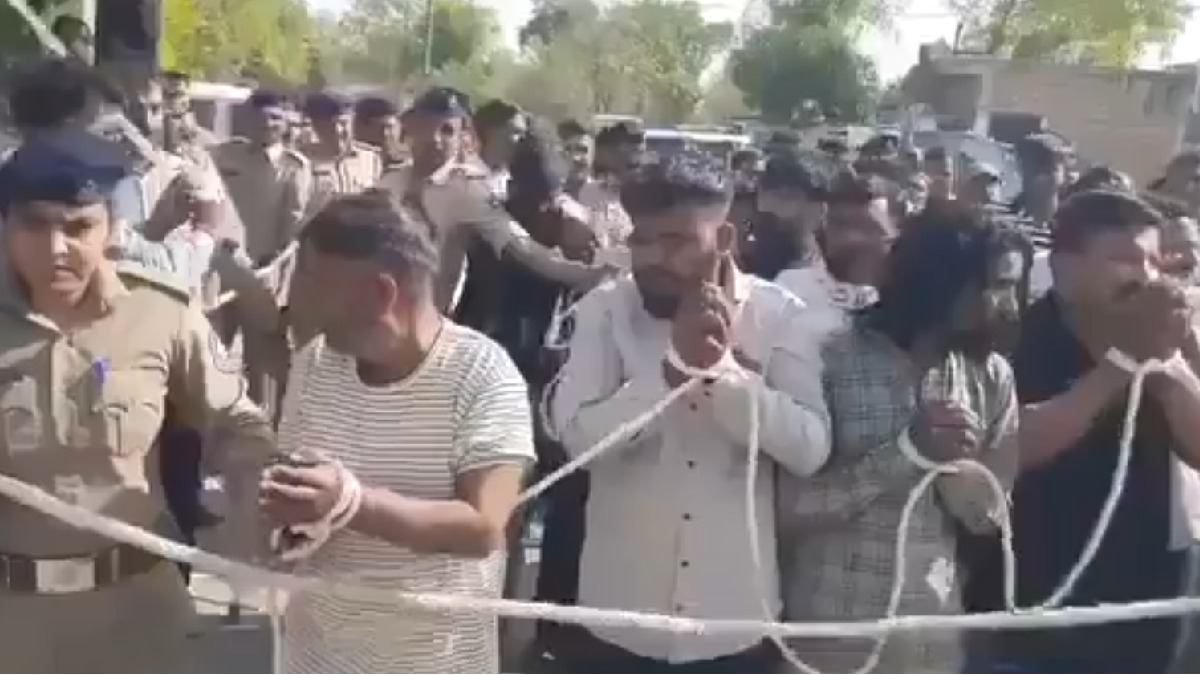
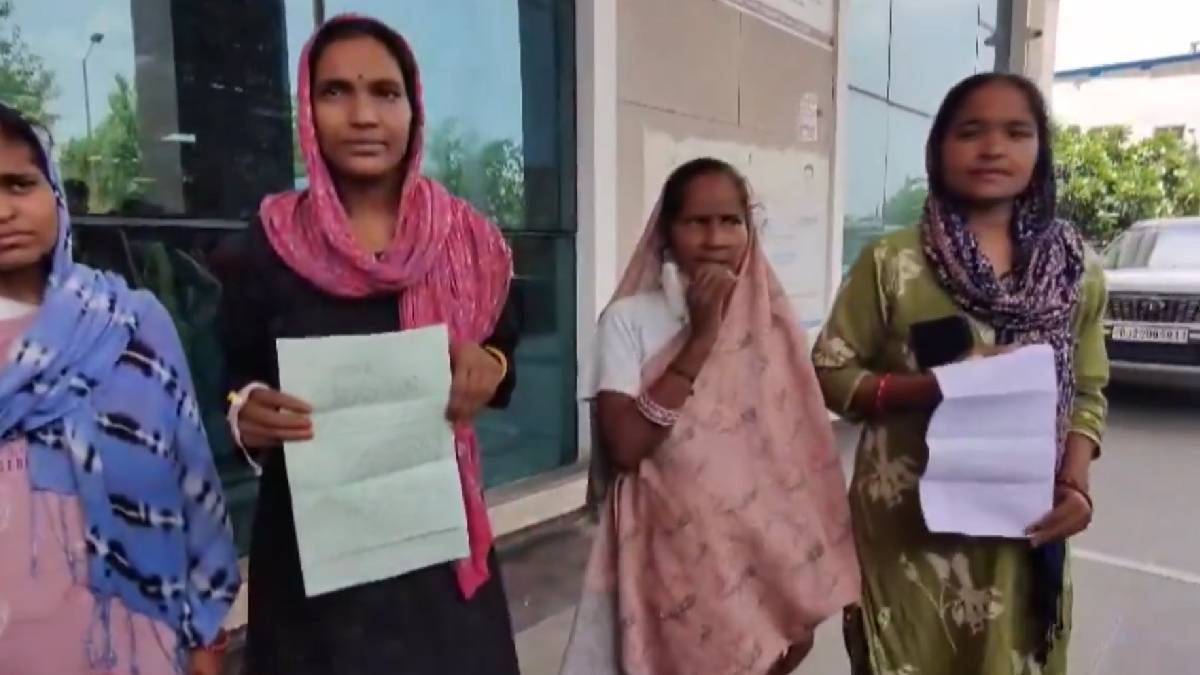
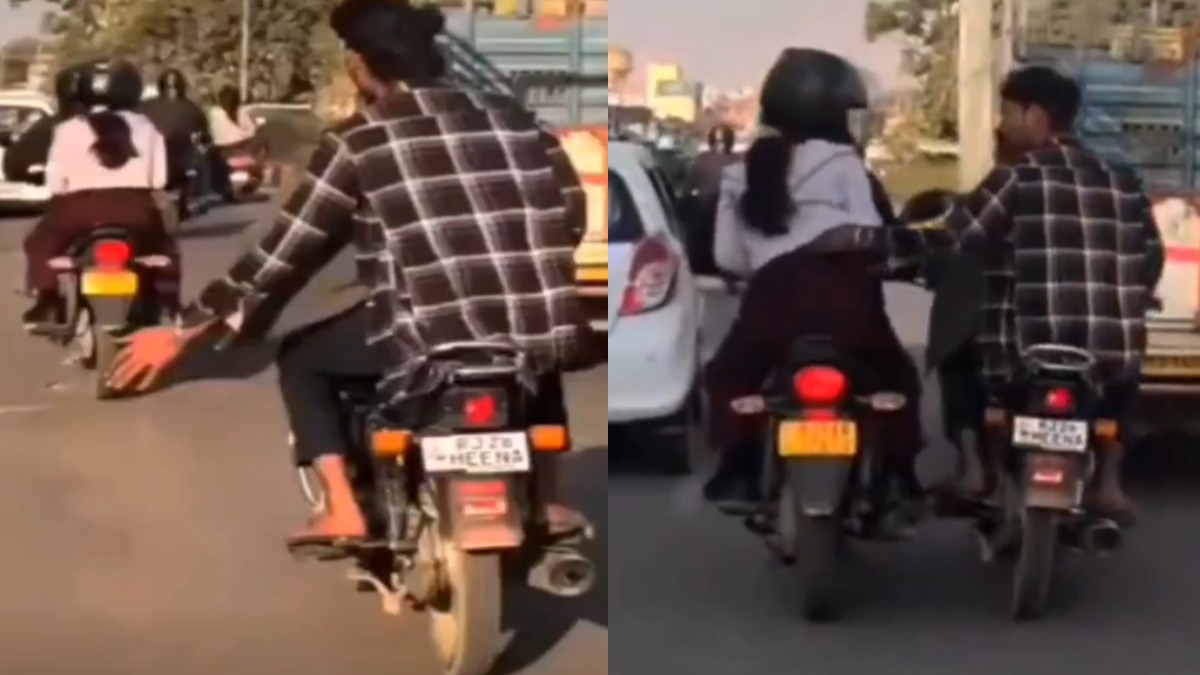
A disturbing incident from Rajasthan has once again brought the issue of women’s safety in public spaces into sharp focus. Two bikers have been accused of harassing a young woman in the middle of busy traffic, an act that has sparked outrage and intense debate across social media and beyond.
Blame clothes, time, attitude.. but truth is lack of severe punishment 😡😡😡 pic.twitter.com/G8hDzEDbaA
— SriSathya (@sathyashrii) April 9, 2026
According to reports, the incident took place on a crowded road where the victim was traveling when the accused, riding a motorcycle, allegedly began harassing her. The situation unfolded in broad daylight, with several vehicles and bystanders present, yet the accused reportedly acted without fear or hesitation. Such incidents highlight a troubling reality public spaces are not always safe, even in the presence of others.
Eyewitnesses and circulating videos suggest that the bikers engaged in inappropriate behavior, causing distress and fear for the victim. The fact that the harassment occurred in the middle of traffic underscores the growing concern about boldness among offenders, who appear increasingly unafraid of consequences.

The incident has triggered a larger conversation about accountability and the root causes behind such behavior. While some sections of society often shift blame toward factors like clothing, time of day, or attitude, many voices are now strongly rejecting these narratives. Instead, the focus is shifting toward a more critical issue the lack of strict and immediate punishment for offenders.
Experts and activists argue that when consequences are delayed or perceived as weak, it emboldens individuals to engage in such acts. The absence of fear of law enforcement can create an environment where harassment becomes more frequent and normalized. In this context, many believe that stronger legal action and swift punishment are essential to deter such crimes.
Law enforcement authorities in Rajasthan have reportedly taken note of the incident and initiated steps to identify and apprehend the accused. Officials have assured that strict action will be taken once the individuals are caught. However, incidents like these raise questions about preventive measures and whether enough is being done to ensure safety on the streets.
Women’s safety advocates emphasize the need for a multi-layered approach. This includes stricter law enforcement, better surveillance systems such as CCTV cameras, and increased police patrolling in high-traffic areas. Equally important is the role of society in fostering respect and awareness from a young age.
Public response to the incident has been strong, with many calling for zero tolerance toward harassment. Social media platforms have been flooded with messages demanding justice for the victim and stricter punishment for the accused. The incident has also prompted discussions about bystander intervention and the responsibility of citizens to act when witnessing such behavior.
Beyond legal reforms, there is a growing recognition that societal attitudes must change. Respect for women and understanding of boundaries must be ingrained through education and awareness campaigns. Blaming victims or trivializing such incidents only perpetuates the problem.
This case serves as a reminder that safety is not just about infrastructure or law enforcement it is about collective responsibility. Every individual has a role to play in creating a safer environment, whether by following the law, respecting others, or standing up against wrongdoing.
As the investigation progresses, the hope is that justice will be served swiftly and decisively. More importantly, this incident should act as a wake-up call for authorities and society alike to address the deeper issues at play.
In the end, ensuring safety on the roads and in public spaces requires more than just reactive measures. It demands a commitment to accountability, awareness, and change so that such incidents do not continue to occur in the future.