Siddaramaiah says he has decided not to contest the next election as he looks back on his long political career and the high cost of elections.
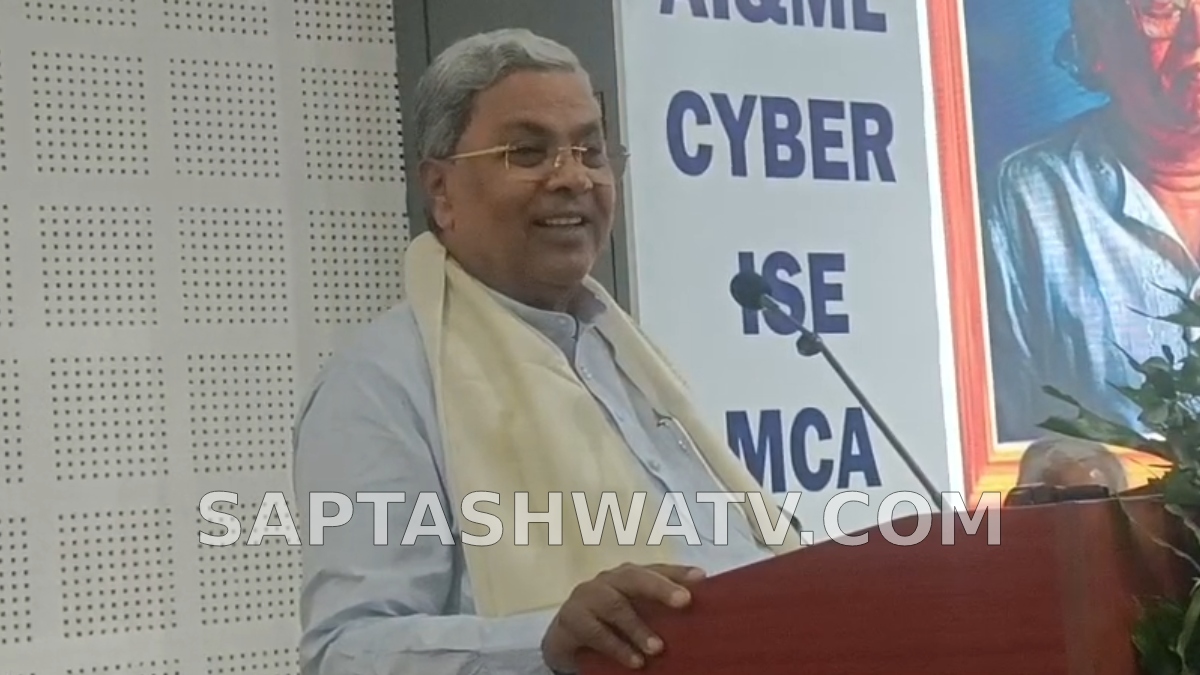
Siddaramaiah made the remarks at a book release programme held on Friday at Tumakuru in a book launch event. The event was organised to release the literary works of author P R Thippeswamy. Siddaramaiah recalled the time he spent during the elections he had fought, the victories and defeats, and what he witnessed in electoral politics and the political landscape in the past years in the process.
His comments are in the context of the 2028 Karnataka Assembly election, which is expected to be the next major state Assembly poll.
Election Politics has Become Expensive
Siddaramaiah spoke about the growing financial burden of electoral politics. It is very expensive for people from ordinary backgrounds to get involved in electoral politics and to vote in elections without significant financial resources, he said.
He said that people who genuinely want to enter politics from modest backgrounds face considerable difficulties under the present circumstances.
The former chief minister also linked the matter to his own early political experience, recalling that when he first entered the electoral arena for the first time, he did not have even one rupee with him.
13 Elections Since 1983
Siddaramaiah said he has faced 13 elections since 1983 and won eight of them. His remarks emphasized the length of his political career and the changes he has witnessed over the past decades in politics.
His first election came in 1983. Since then, he has remained in Karnataka politics and served in a number of positions until becoming chief minister of the state.
Siddaramaiah entered electoral politics in the 1980s and joined the Congress in 2006. He served as Karnataka Chief Minister from 2013 to 2018 and was back after the Congress victory in the 2023 Assembly election.
Reflecting on a Long Political Journey
Siddaramaiah spoke of his experience of winning and losing elections in Tumakuru at that time. His recollections demonstrated how electoral politics and campaign costs have evolved since he first entered politics in the early days.
The former Chief Minister's comments also brought into focus the financial need of election campaigns. Campaigning costs, organisation, and reaching out to voters are now very much a part of political discussions about electoral politics too.
Decision not to contest Does Not Mean Leaving Politics
Siddaramaiah's decision not to contest the next election was announced in July 2026, when he stated that he would not contest the 2028 Assembly elections but that he would continue active politics.
So the announcement is to be seen as a matter of the electoral campaign, not of him resigning from the public or political arena.
His political position is also very much in the news in Karnataka, and political parties and leaders are now starting to make their points towards the next Assembly elections.
Focus on Electoral Reforms and Political Accessibility
Siddaramaiah’s comments have also revived discussion about the accessibility of electoral politics for people without substantial financial resources.
His own recollection that he entered electoral politics without money stands in contrast to his observation about the present cost of elections. The question is of campaign spending, political participation, and the ability of candidates from ordinary backgrounds to contest elections.
These are just a few of the larger political aspects of electoral reform and the financial pressures of political campaigning.
Siddaramaiah’s Electoral Legacy
Siddaramaiah has had a long political career in Karnataka, where he has contested 13 elections since 1983 and won eight. His political career had been in various organisations before he joined the Congress in 2006.
In his speech in Tumakuru, he said he has decided not to contest the next election.
For now, however, his statement is about his future position in Karnataka politics, his continued political activity, and the larger picture of how the rising cost of elections affects participation in electoral politics.