More than a decade after the coal allocation controversy became one of the defining political storms of the UPA era, the Supreme Court has closed a chapter in its history. It overturned a trial court order that had earlier called the former Prime Minister Dr. Manmohan Singh in connection with the Talabira coal block case to accept CBI's closure reports and effectively conclude the long-standing criminal proceedings against him.
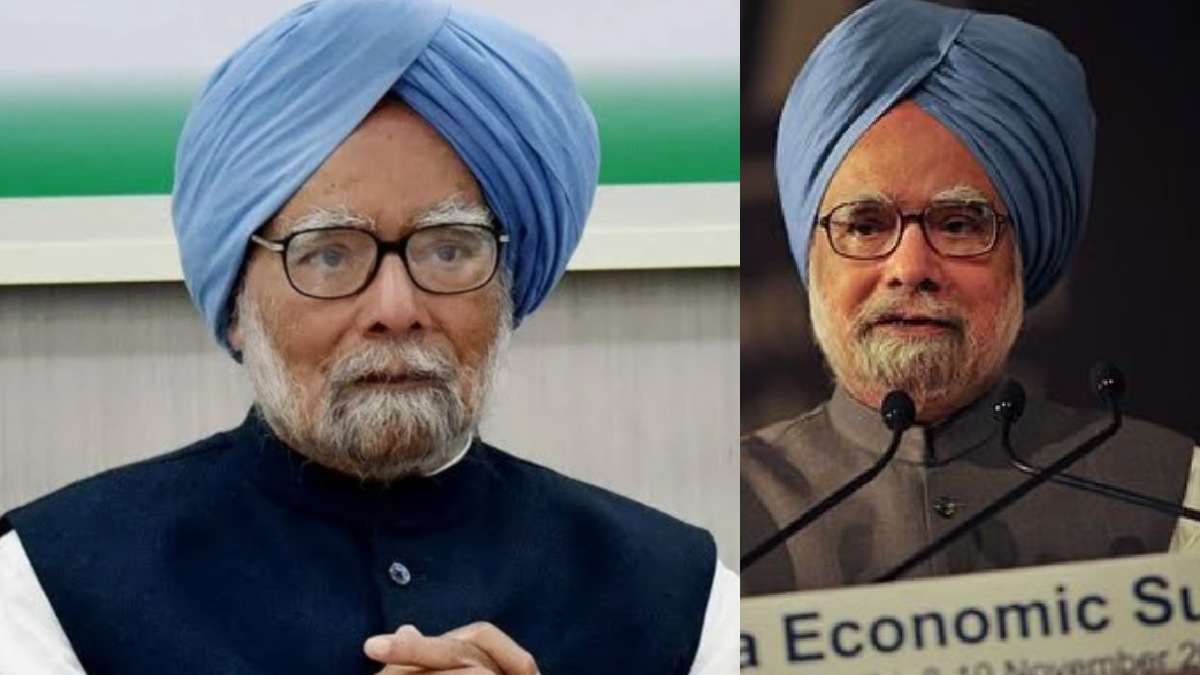
The legal journey started in 2012 when the Comptroller and Auditor General (CAG) reported on coal block allocations from 2004 to 2009. The report claimed that the government had distributed coal blocks without competitive auction processes and a significant loss to the national exchequer had been incurred. Opposition parties capitalized on the findings and the term “Coalgate” was created. Dr. Manmohan Singh, who had also held the coal portfolio during his second term as prime minister, was at the center of the fierce political backlash, but accusations were more likely to be on administrative lapses of the government that were taken in his ministry and not personal financial gain.
As the protest grew, the CBI launched a huge number of investigations into coal block allocations in 2012, including the allocation of the Talabira II coal block in Odisha to Hindalco. In 2014 a landmark Supreme Court decision ruled that the entire allocation process was arbitrary and cancelled 214 coal blocks allocated since 1993. Although the decision came as a big political blow to the UPA government’s legacy, it dealt with administrative legality in this case and not criminal liability for individual leaders. In that same year, the CBI submitted closure reports on the Talabira case to the court in which they concluded there was no tangible evidence against the former prime minister.
The case had taken a new turn in March 2015 when a special CBI court rejected the agency’s closure reports and called Dr. Singh as an accused, the first time a former Indian prime minister was called to appear before a trial court in a corruption case. Within weeks the Supreme Court stayed the summons, stopping the trial in progress and deciding if the lower court should have acted justifiably in dismissing the CBI’s conclusions.
For years the matter remained pending as political situations shifted and legal arguments were pending. Dr. Singh maintained that he had acted as per established procedures and he had done nothing wrong. Dr. Singh died in December 2024 at the age of 92, but the matter remained before the Supreme Court.
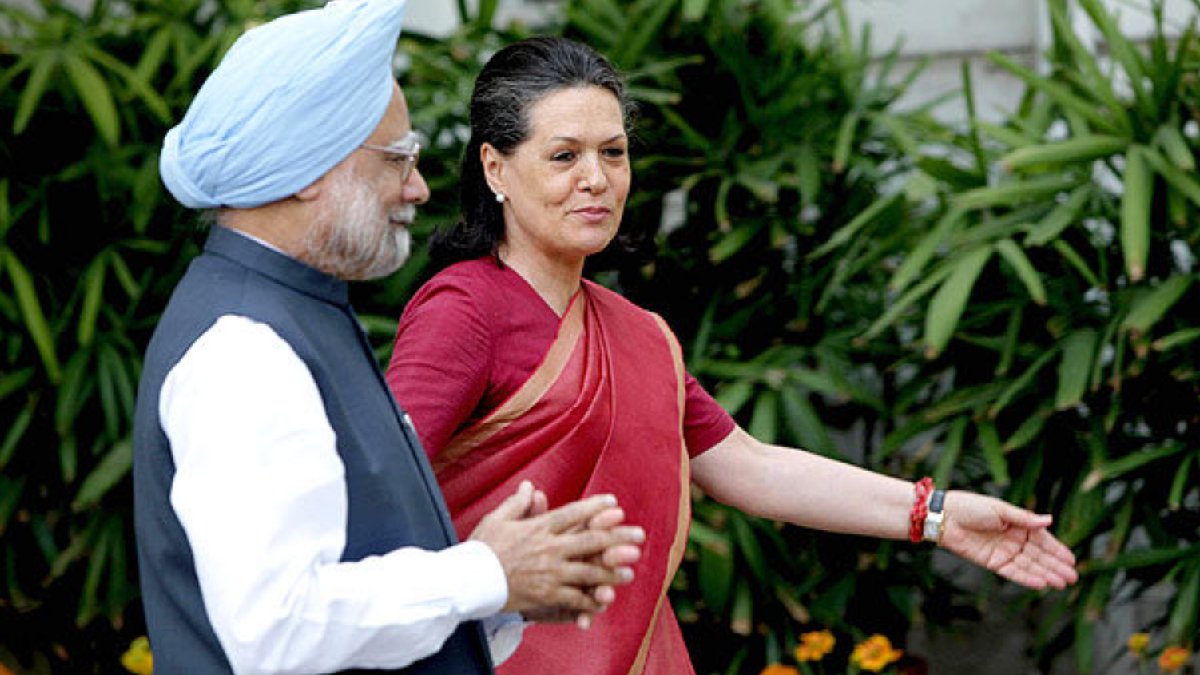
Finally, a bench led by Chief Justice Surya Kant ruled that the trial judge had failed to provide sufficient grounds or follow the legal guidelines in order to reject the CBI closure reports. Although the appeal had become immaterial after Dr. Singh's death, the bench went to the merits of the case to establish the summoning order and the record. The Supreme Court was unequivocal in rejecting the 2015 summons and accepting the closure reports, and in delivering a posthumous vindication in the case more than fourteen years after the controversy started.