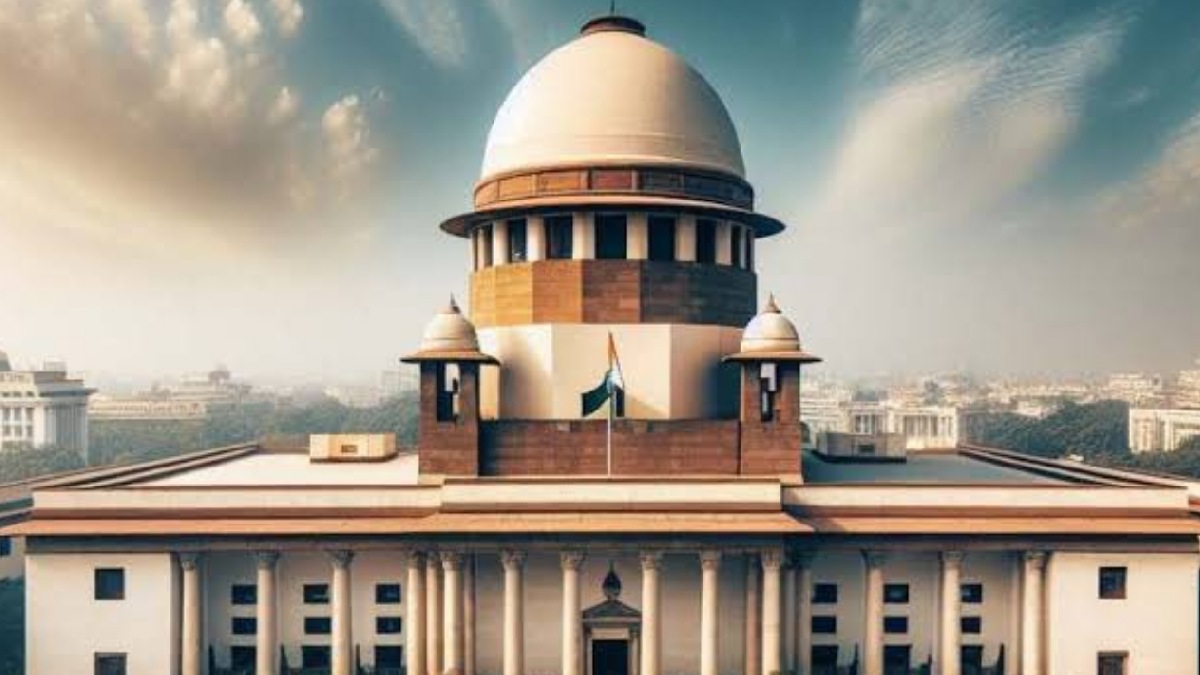
Almost four decades after Swedish Radio first unraveled the explosive allegations of illegal kickbacks in India’s high-profile Bofors howitzer deal, the long and bitter legal saga is finally coming to an end. In a definitive decision, the Supreme Court of India rejected the last remaining appeal to overturn Delhi High Court’s landmark 2005 decision to halt all of the criminal action against the Hinduja brothers. It’s a close to blowing the curtains open on one of the longest-running, most politically charged corruption trials in modern Indian history. But even as the judiciary has closed the case, political analysts and commentators are left with the wider question: while the legal battle is over, can the political ghost ever truly be laid to rest?
And for the Indian National Congress, that is where the Bofors problem goes from a legal dispute to a political metaphor. Over the past 40 years, rivals such as the Bharatiya Janata Party have repeatedly made reference to the affair in Parliament, manifestos, and public rallies as a marker of corruption, dynastic rule, cronyism and so on. And even after generations of ages, the stigma has still lingered in the public consciousness and still shapes voters’ views of the Grand Old Party long after the main protagonists have left the political arena.
Looking at the last judicial order, it is clear that the Supreme Court’s decision to dismiss the last appeal doesn’t open old investigations or make any new finding about whether the bribe was paid. It just closes the last door of the judicial process completely and leaves a case that had been largely hollowed out over the years by the court’s earlier quashed appeals, international extradition efforts that failed, and the passing of the key accused individuals. The case (which started in April 1987, after the purchase of 155 mm field artillery guns by the Swedish defence company AB Bofors at Rs 1,437 crore) has already been closed and has ended.
The history of this controversy dates back to the late 1980s when the allegations first emerged and rocked the government of the then PM Rajiv Gandhi. Rajiv Gandhi had always been adamant that no kickbacks were accepted by his government and was never chargesheeted or convicted by any court, but the political fallout was so strong. And historians have always held Bofors much in the air as a main cause of his political humiliation for both his reformist, clean-slate image and the Congress party’s spectacular defeat in the 1989 Lok Sabha elections. Even after the electoral battle changed as a result of the political events and economic fluctuations, Bofors was still a weapon for the opposition. Now that the Supreme Court has finished with the legal book, the question is whether political foes will drop out of history once more or not.