Terrorist attacks are often planned to cause maximum harm to innocent civilians. But history has also shown many terrorist plots that failed because explosive devices detonated prematurely, and the people handling them were killed or seriously injured before their intended attack.
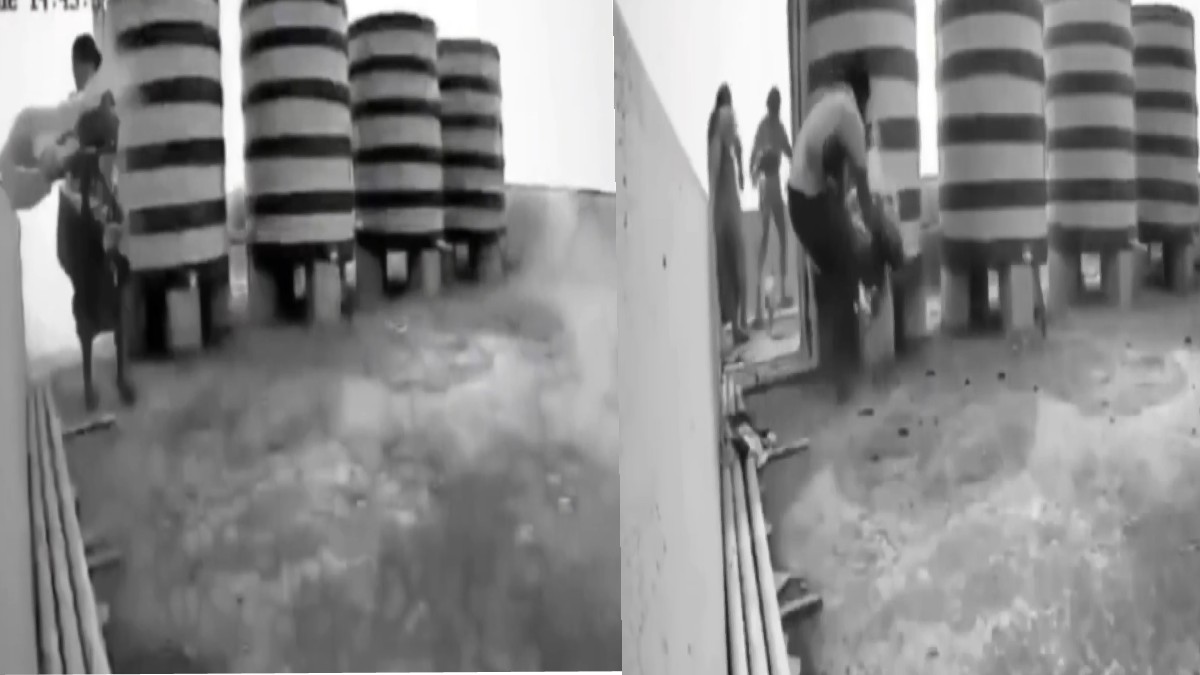
The past few incidents demonstrate not only the dangers of handling explosives but also the unpredictability of terrorist operations, many of which collapse before reaching their intended targets.
Premature Explosions have foiled terrorist plots
Several cases have been documented by law enforcement organizations worldwide in which suspected terrorists have been killed or injured while assembling, transporting, or preparing explosive devices.
In many such incidents, the devices exploded due to instability, mishandling, accidental activation, or other unforeseen factors. Such premature explosions often prevented planned attacks and, in some cases, led authorities to uncover broader extremist networks.
Why Such Incidents Occur
Explosive materials are inherently dangerous. Even those with experience handling them are at risk. Unsafe assembly, accidental triggering, unstable components, or environmental conditions could cause an accidental detonation.
For this reason, security agencies often describe improvised explosive devices (IEDs) as unpredictable and dangerous to potential victims and to those trying to use them for violent acts.
When Terrorist hunted by own bomb
— Baba Banaras™ (@RealBababanaras) July 1, 2026
In India, Terrorist Mohammad Shahnawaz was making bombs on the roof of his house with his family members, Due to a glitch, it exploded during the making process & multiple people in his family killed in injured. pic.twitter.com/0aEIx5tdZ7
Impact on Counter-Terrorism Investigations
When a suspected terrorist is killed or injured in a premature blast, investigators often examine the scene to determine:
- The intended target of the attack.
- The type of explosive material involved.
- Possible links to organized extremist groups.
- Funding and logistics support.
- Communication and travel records.
- Whether there are any other suspects at large.
The results of such investigations can be of great value in preventing future attacks by unraveling terrorist networks in the future.
The Importance of Vigilance
Researchers in counter-terrorism say that to prevent attacks, intelligence agencies must work jointly with law enforcement and the public.
People may need to report suspicious activities (e.g., abandoned bags or strange behavior or information about a planned attack) to local police or security agencies, authorities say. Prompt reporting can help prevent the attack before it occurs.
A Reminder of the Human Cost
While premature explosions might forestall a planned attack, they do not make terrorism worse. Violent extremism has claimed thousands of lives, traumatized communities, and disrupted societies all over the world.
Governments continue to invest in intelligence gathering, public safety measures, and international cooperation to combat terrorism while protecting civilians and critical infrastructure.
Conclusion
A terrorist is killed by an explosive device that is intended for an attack. For investigators, these incidents could be the evidence that will destroy extremist networks and prevent further violence.
And the best response to terrorism is strong intelligence, coordinated law enforcement, public vigilance, and adherence to the rule of law.