Food delivery apps have become much part of everyday life in India. Within short taps on a touchscreen, food comes into your house, saving you precious time and hassle. But in the latest round of viral posts, Nalini Unagar has left open the question of how much more customers are paying if they order online. Her experience revealed a huge difference between a restaurant’s price and Zomato’s price. This story soon spread quite viral on social media and triggered heated disagreements about fairness, transparency and the costs, sometimes unspoken, of convenience.
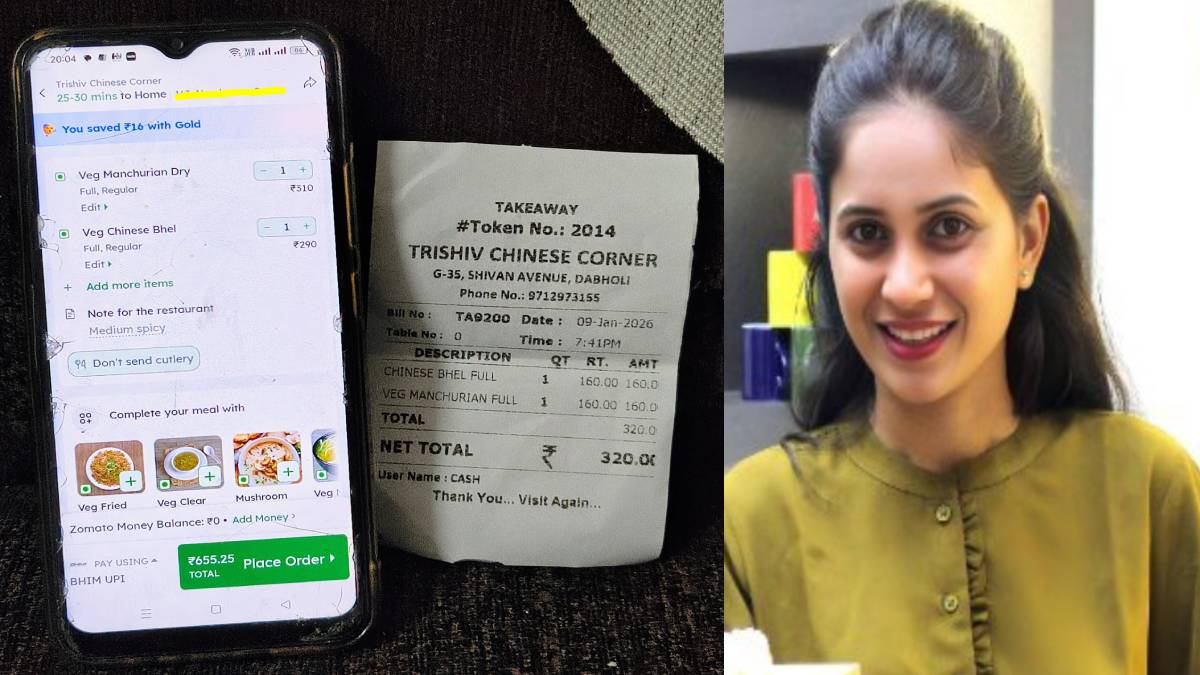
Nalini Unagar ordered two dishes, Veg Manchurian Dry and Chinese Bhel, at a local restaurant. The bill at the restaurant was ₹320. But if she checked the exact same order on Zomato, the total got ₹655. Even after discounts, the bill stood at ₹550, still much higher than what it cost to dine in. Shocked by the difference, Nalini posted her bill comparison online, calling it “blatant overcharging.” Her post resonated with a lot of people who were in similar situations and before long it began getting hot and fast.
The response from the wider public was swift and intense. Thousands of users commented on her post, discussing their own stories of high-ending meals on food delivery apps. Zomato was accused of cheating customers by many and some had even described it as a version of “digital fraud.” The anger wasn’t only about one order — it was a more overarching frustration from how online platforms deal with pricing. Others asked whether convenience was worth double the price. And the controversy,
Zomato said, resulting in it claiming that restaurants set the prices on the platform, not Zomato. They only provide your delivery service, the company says, and do not dictate menu rates. This statement helped bring the spotlight onto restaurant owners, who raise online prices to make ends meet. Zomato’s clarification was aimed at calming matters, though, leaving very few customers satisfied because they felt transparency was what the platform needed to ensure.
Restaurant owners also provided their perspective. They said you couldn’t charge the same prices online and offline. One is commission for the delivery apps which can be as high as 20–30 percent on each order. It's also about packaging costs for food shipped needing special containers and materials. Restaurants also have to staff and coordinate online orders, which also pushes up costs. To counter these costs, many restaurants increase their price on online menus. While it keeps them in the black, customers feel as if they have been deceived when they notice such differences.
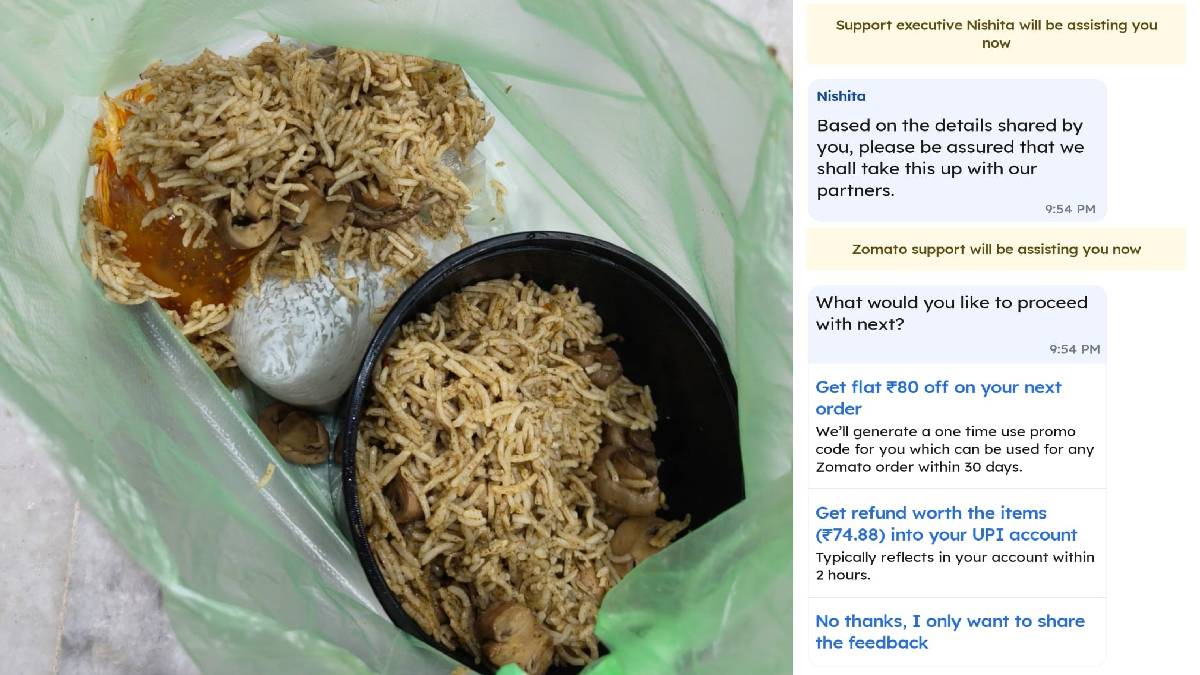
Here’s the bigger issue: Transparency. People expect honesty when they order online. If your dish costs ₹320 in a restaurant but ₹655 on Zomato – people want to know why? Without clear communication, customers feel cheated. This undermines trust in both the restaurant and the delivery service. The argument is not just one of money- it is also about whether customers can trust the apps to provide them fair deals. But for consumers, the biggest risk is the fact that they pay much more and in a way they don’t even realize they’re paying.
The fact is, many people will use delivery apps for convenience, but not knowing that they are paying double the price. Over the long run, this can cause people to lose faith in online alternatives but to revert to dine‑in and takeaway. For restaurants, the conundrum is how much to charge against the customer experience while keeping profitability. If they try to keep prices low online, commissions eat up their profits. If they increase prices excessively, customers complain. The viral post illustrates how quickly a restaurant’s reputation can be tarnished if customers believe their money has been used against them.
For Zomato and other delivery platforms, keeping trust is their biggest hurdle. Even if they aren’t setting prices directly, customers will often blame them. Incidents like Nalini's posting can damage its good name and make regulators take more urgent steps to act. And if platforms are interested in seeing their users happy, they might put some hard policies in place or make price differences clearer.
Nalini Unagar’s “now a viral post” became more than a piece of personal outrage. It has sparked a nationwide discussion on food delivery pricing in India. Although Zomato says restaurants set their own rates, customers expect greater transparency. Restaurants want to charge what they should, but customers want fairness. This incident is illustrative of the need for less opaque approaches, to be more clear about which services are necessary, to articulate the way forward to consumers and, perhaps, even to protect against misclassifications based on convenience.