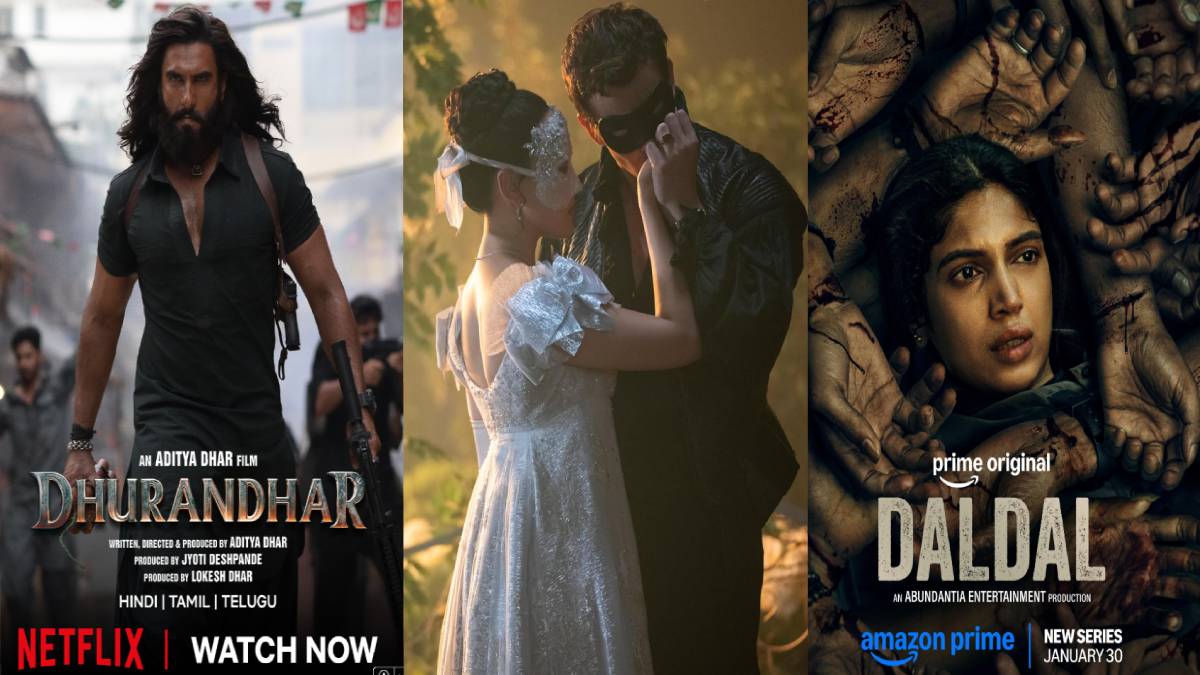
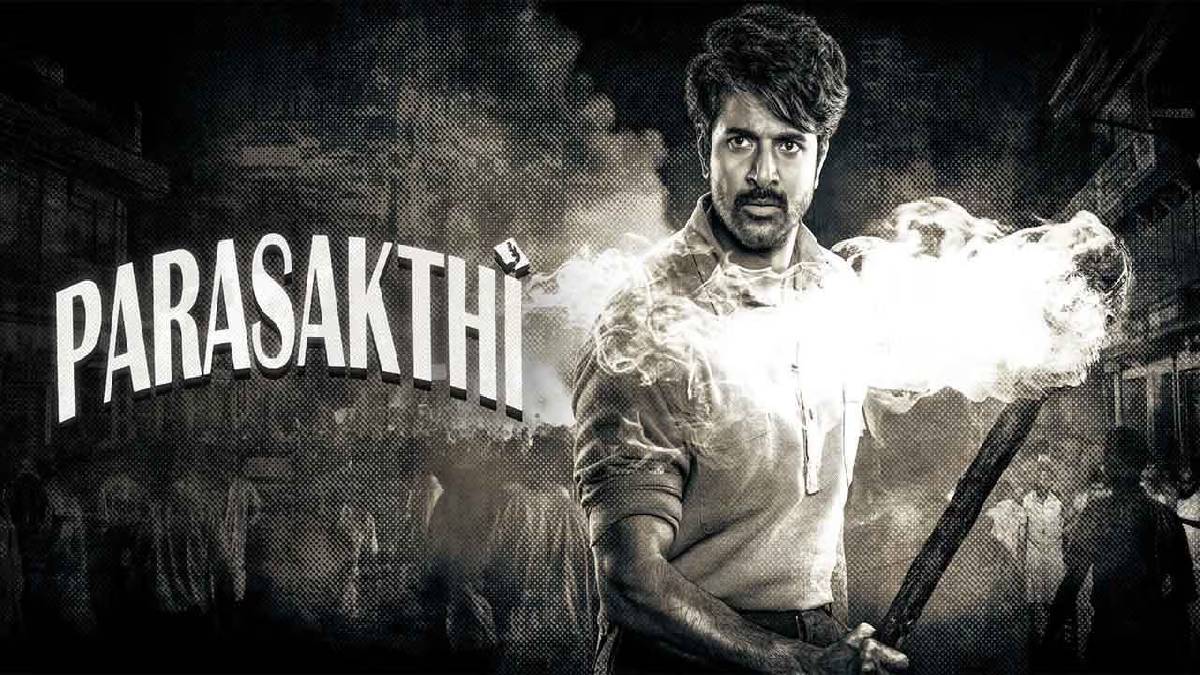
Titled Dhurandhar is Bollywood’s most recent film that has become India’s first movie to top Rs 10 billion at the box office and the latter has left the industry utterly astounded. And yet although the film celebrates record‑breaking success, its recent release on Netflix has ignited controversy. Fans are calling out the streaming giant for what they consider “heavy censorship,” saying the muted dialogues, pared‑down abusive language and almost ten minutes of material clipped from the film have tainted the viewing experience.

The Film’s Journey
Dhurandhar was hailed as a daring, gritty drama with a breaking point in storytelling. It was a hit in theatres for its bare‑bones dialogue, searing performances and unflinching vision of social realities. The movie was hailed by audiences as realistic and brought to life the true nature of society. In India, the film’s box office run shattered records surpassing Rs 10 billion by then. And it was Dhurandhar that came out as one of Bollywood's most successful films, a Cultural Phenomenon.
When Dhurandhar debuted on Netflix, viewers anticipated the same unrestrained journey they had in theaters. But viewers noticed changes a few hours later:
- Dialogues in a number of scenes that were silenced.
- Abusive language was censored; yes the film was rated 18+.
- Ten minutes of footage cut, clips that added layers to the characters and story.
These edits, for many fans, appeared superfluous. They suggested that an 18+ rating already conveyed mature content, making censorship a blow against the point of the rating.
Fans’ Reaction
Criticism erupted on social media. The use of hashtags like #UncensorDhurandhar and #RespectArt became trendy as viewers expressed their frustration. Many said they signed up for Netflix to do authentic storytelling of their own, not just a watered‑down version of movies.
Fans’ comments included:
- “Why censor an 18+ film? We are adults, and let us watch it as it was made.”
- “Theatrical Dhurandhar is still very strong. Netflix Dhurandhar just feels very incomplete.”
- “Art should not be cut to just fit certain arbitrary rules.”
The backlash is a sign of a larger debate about creative freedom on streaming services.
Industry Voices
Film reviewers and industry insiders took the same approach. Online streaming services should, meanwhile, respect directors’ choices, several noted, particularly when films are already accredited for adults. Some critics said censorship could threaten the credibility of the film, and turn off its most devoted viewership. Bollywood directors and actors threw their weight behind Dhurandhar’s group, insisting that art cannot be sacrificed for “safe content.”
The Bigger Picture
But what do streaming service platforms do to cinema, and the controversy here, and its impact — are deeply complex questions? Theatres usually have a strict certification process while streaming services should offer more flexibility. For some, it is simply the case that Netflix and similar platforms should offer their films to the world as they should, especially when they have age restrictions.
The Dhurandhar case highlights also a conflict between creative and corporate, between innovation and a firm grip on commercial interests. Netflix probably censored the film to prevent backlash from some people, but it infuriated the very audience it wanted to reach.
Lessons of the Controversy
- Show respect for artistic vision: Movies should be viewed as directed particularly when adult‑certified.
- Transparency matters: Platforms need to explain edits clearly, in order as not to mislead viewers.
- Audience trust: Censorship erodes consumers trust; censorship exposes viewers including loyal readers who crave authenticity.
- New norms that will change: With streaming taking off, disputes over censorship and freedom to tell stories will only fester more heated these days.
Dhurandhar’s story is one of victory and friction. On one hand, it has made history when it crossed Rs 10 billion at India’s box office. On the flip side, its appearance on Netflix sparked rage back in the middle is the backlash to censorship from its Netflix release, when it demonstrated that audiences appreciate authenticity as much as success as well as the latter.
And as fans continue to call for the uncensored version, the controversy is a wake‑up call for streaming platforms. At the end of the day, in a “digital cinema,” respect for artistic integrity is not merely a good thing, it's one of the most important. Dhurandhar’s tale is a reminder that, for all its numbers, the strength of cinema is in staying unfiltered, real when it is raw and sincere.