
A food safety complaint about a meal served at the luxury Hyatt Regency Pune has renewed concerns over hygiene standards and food quality in hotels. A customer reportedly found a worm in the meal served at the hotel questions were raised about how food was prepared?
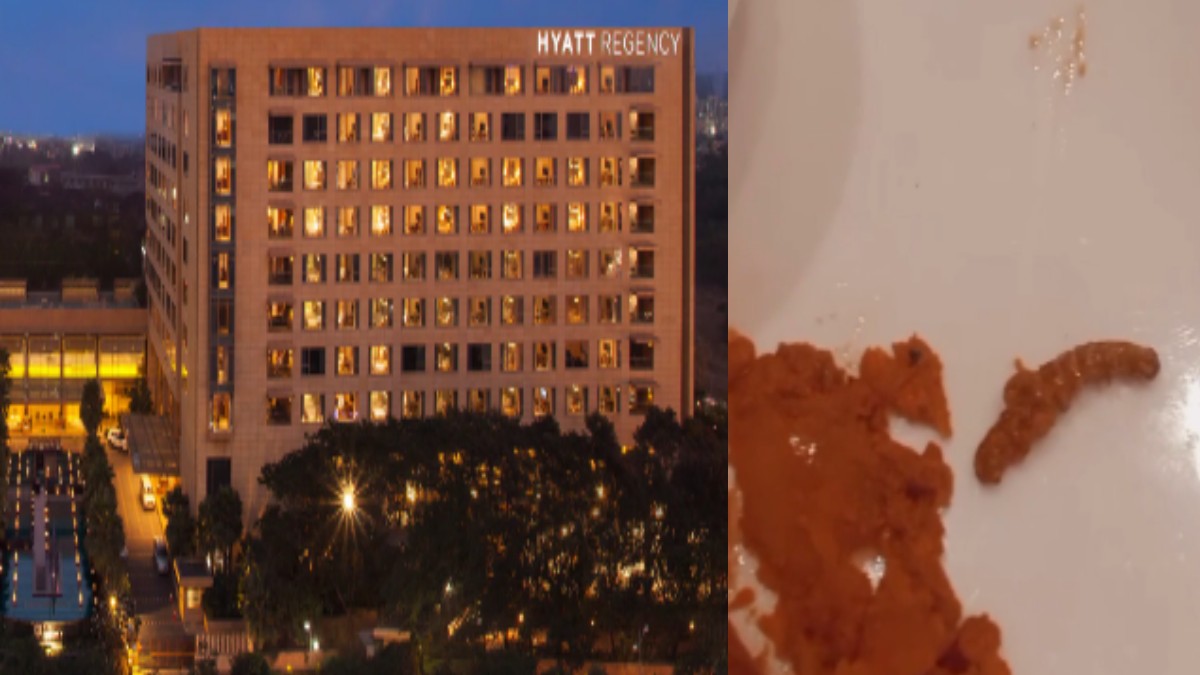
kitchen cleanliness and safety measures taken by establishments that serve hundreds of guests every day. It showed that contamination of food can become serious no matter what reputation a restaurant has or how expensive it is or whether it’s luxury or not.
Customers visiting premium hotels generally expect high standards of cleanliness, quality ingredients, professional food handling and hygiene protocols. Complaints about foreign objects or possible contamination in food undermine consumer confidence quickly and raise questions whether enough precautions are being taken.
The worm in the meal has become a particularly sensitive issue because customers expect restaurants and hotels to serve food that is safe for them to eat. A single contamination complaint can cause serious concerns about how ingredients were sourced, washed, stored, prepared and served vegetables, leafy greens etc.
Worm Found in Meal at Hyatt Regency Pune, Customer Complains Read in detail here : https://t.co/PABDSTZPed https://t.co/SQ1y1VMsWs
— Punekar News (@punekarnews) August 20, 2026
Insects or worms if not inspected and cleaned before cooking so washing sorting quality checks are part of commercial food preparation too; kitchens must also maintain storage temperatures, cross contamination control and clean food preparation areas regularly all very important in large hotels where several dishes are being prepared at one time and served to a lot of guests.
The complaint against Hyatt Regency Pune has also brought up the issue of food safety in India’s hospitality industry at large. Hotels and restaurants are subject to food safety regulations which require businesses to maintain hygienic conditions and standards when handling food. Food Safety and Standards Authority of India (FSSAI) is responsible for food safety regulations in all states in the country requirements around food handling, preparation, storage and serving; sanitation; employees hygiene practices etc.
Food businesses must maintain proper sanitation; ensure employees follow hygiene practices and take steps to prevent contamination if found. Customers who find potentially contaminated food have a right to complain with the establishment and where necessary approach the appropriate food safety authority.
For customers finding a worm or anything else foreign in their meal is unpleasant and disturbing. Apart from the immediate concern of whether the food is safe to eat such incidents affect people’s willingness to go back again to that establishment. In the age of social media complaints can also be heard by much wider audience within minutes photos, videos personal accounts shared online often trigger discussions about restaurant hygiene accountability consumer rights etc.
Online complaints are useful in highlighting genuine concerns but they need to be verified (correct facts established) and given the concerned establishment an opportunity to respond as well.
It also reminds us that food safety should never be a secondary issue. Luxury hotels, independent restaurants, roadside eateries and food delivery businesses all have a duty to provide customers with food prepared under hygienic conditions. Businesses need to check ingredients regularly, train kitchen staff, schedule cleaning schedules and take responsibility when a customer complains about possible contamination. Open communication and corrective action can prevent future complaints and regain consumer confidence.
At present the reported complaint has reignited discussion about how important it is to maintain high food hygiene standards even in well known hospitality establishments. More details of what the hotel did, if any food safety authorities inspected or acted on the complaint and what happened to the complaint itself would be helpful to understand exactly what happened here. Until those details are independently established the complaint should not be treated as proof of a wider hygiene failure at the hotel (unless that is what happened).
At the end of the day it’s an expectation every customer has food served in a restaurant or hotel must be clean, safe and fit to eat. A premium dining experience is not just about luxury interiors, expensive menus or professional service. It’s also about basic responsibility to provide safe food.
The reported discovery at Hyatt Regency Pune has put food hygiene and customer safety back at the centre of public debate once again reminding hospitality industry that consumer trust must be earned through consistent standards and accountability.





Comments