Ashalata Devi, who has previously captained the Indian women’s football team, said that we need to get a better platform to develop the game and better training facilities for the Indian players, and that the Indian sports community needs to be better prepared for it.
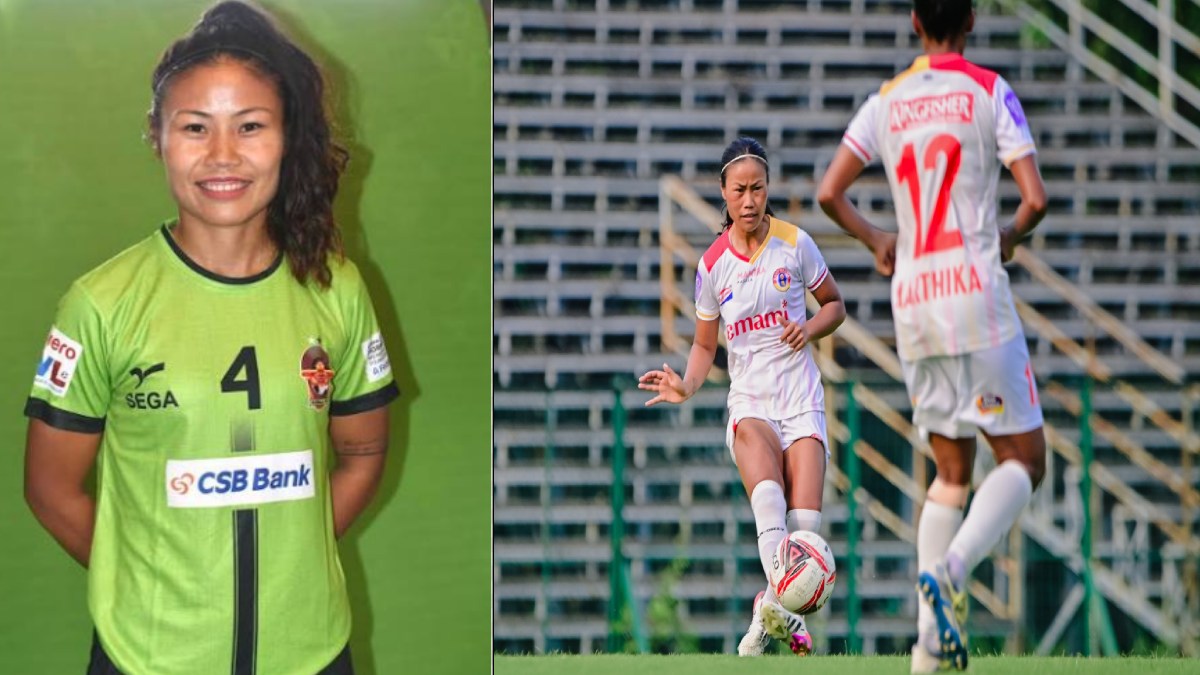
Ashalata Devi is considered one of the most prominent figures in Indian women’s football and has played for the national team for many years. Her international experience is important to her understanding of the needs for Indian football development. She believes regular exposure to high-quality international competition can help players to understand the pace, physical demands and tactical standards required at the global level.
International exposure is particularly important for developing young footballers. Domestic competitions are the basis but playing international opponents can be a different learning experience for the players. The competitive games against the world's top teams will give Indian players a sense of the way of playing, the kind of fighting and physicality of the football and how to play.
For young athletes, those are experiences that will also help build confidence. Players who meet difficult opponents regularly know where they need to improve and adapt their game accordingly. So more exposure will not only help in technical development, but also in mental preparation for big international tournaments.
Ashalata Devi’s focus on training facilities is also a part of the discussion around Indian football. Quality infrastructure is a crucial part of athletes’ development. Football pitches, training grounds, fitness centres, rehabilitation facilities and sports science help players train more effectively and reduce the injury threat.
Women footballers in particular need facilities that will help them to grow in the long run. Infrastructure development at the grassroots, state and national levels can help make a pathway from youth football more professional and international. Better facilities will also persuade more young girls to get involved in football, and to take the sport seriously.
The development of football cannot be done only by talented players. Coaches, physiotherapists, sports scientists, nutrition experts and medical professionals all have their role to play in creating a high-performance environment. A stronger support system will let athletes work on their performance while getting professional help regarding fitness, recovery and injury prevention.
Another important factor is the availability of regular competitive football. Players need regular opportunities to compete rather than relying on occasional tournaments or international camps. A strong domestic calendar can help footballers remain fit and allow coaches to evaluate a wider range of players.
In recent years, the growth of women’s football in India has provided new opportunities and more attention is being paid to domestic competitions and professional leagues. But sustained development is something you have to invest in at many levels. Grassroots football, youth competitions, school programmes, academies and professional clubs all have to work together to create a continuous pathway for players.
International exposure can also be achieved through overseas training camps, friendly matches, club participation and youth tournaments. Sending Indian teams to compete regularly in international competitions could give players and coaches valuable experience and help football administrators assess the progress of the national programme.
So developing a system for Indian women’s football would be very beneficial in the long term. There would be more players to work with and more competition for places in the national team and competition for athletes to be good in the sport and for the development of better performance would be a huge boost to the team. It might even help India to develop players who are ready to compete with better Asian or international teams.
Ashalata Devi’s comments come at a time when Indian football is being watched by fans, athletes and sports administrators. A young population and great interest in football are in the country but to translate that enthusiasm into sustained international success needs structured development.
In this respect, grassroots programmes are very important. Many young talented players get started playing football at a very young age but even then they may not have access to professional coaching and facilities. Further expansion of football academies and development of scouting networks could be the way to identify talented players from all over the country.
Schools and colleges can also be very much a part of girls in women’s football. Girls can start building their technical skills and tactical skills through the development of organised competitions. Greater school participation will also help in the growth of professional academies and clubs.
The families and communities also play an important role. More acceptance and encouragement for girls playing sport will help young players to continue their careers longer. Prominent female football players have also been shown to be role models and a model of the real work life (football will be a serious career).
Ashalata Devi’s calls for a better infrastructure go beyond stadiums and training grounds. It is that much greater sporting ecosystem that is so necessary to support players from the very start to professional and international careers of today.
Improvements in coaching and tactical education - the coaching standards and the tactical education of Indian football must be further improved in order to make it more competitive when it comes to the international stage. The world of football needs to be taught the coaching system to modern players and the coaching staff.
With the presence of international competition, professional training and good infrastructure, India could become a football nation. It takes time but if we invest long term and plan long term there will be progress.
Ashalata Devi’s words also emphasize the need to listen to former players when designing future sporting programmes. Athletes who have played international football have seen the challenges of elite competition and know how very, very closely they work. Their experience is useful to administrators, coaches and policymakers.
As it stands now, the development of Indian women’s football will require the cooperation of football associations, clubs, government agencies, schools, academies, coaches and players. Better international exposure can provide experience, facilities can provide high-quality training and a more stable path for the next generation.
Thus Ashalata Devi’s message is about building a sustainable foundation, not just what is good in the short-term. If India can offer its footballers regular high-level competition, modern training environments and comprehensive support systems, a stronger and more competitive women’s football program will be available in the years to come.