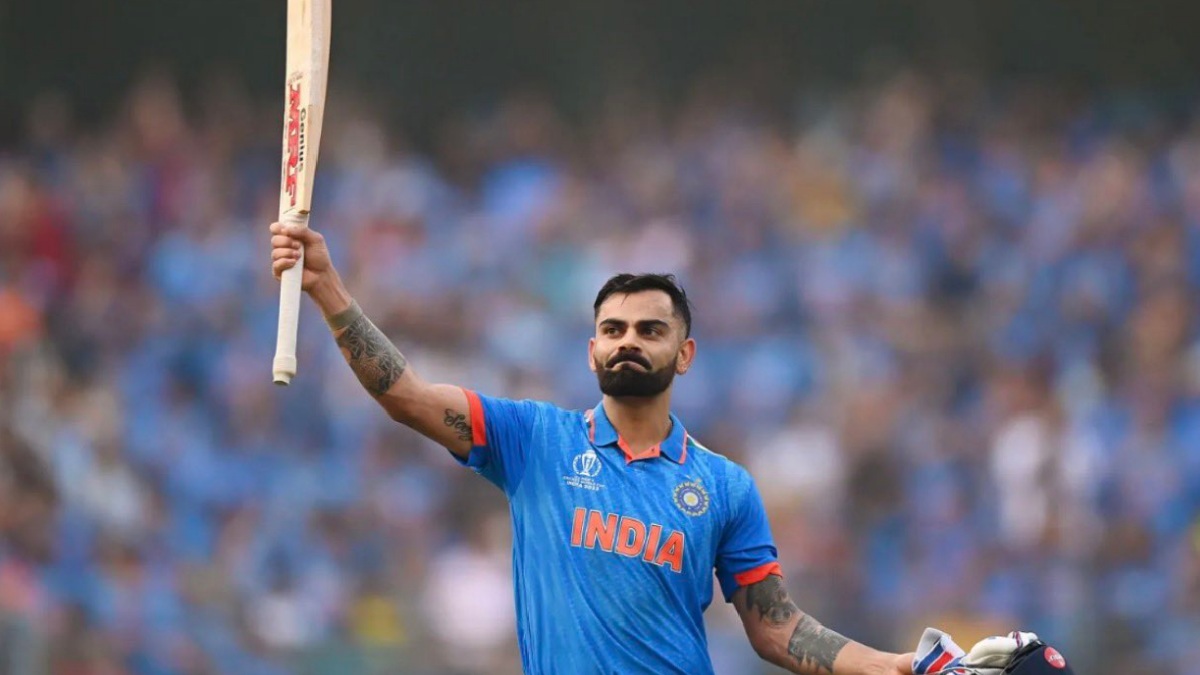
Harbhajan Singh, former Indian cricketer and Rajya Sabha Member of Parliament, has spoken out on the age of the senior Indian cricketers Rohit Sharma and Virat Kohli.
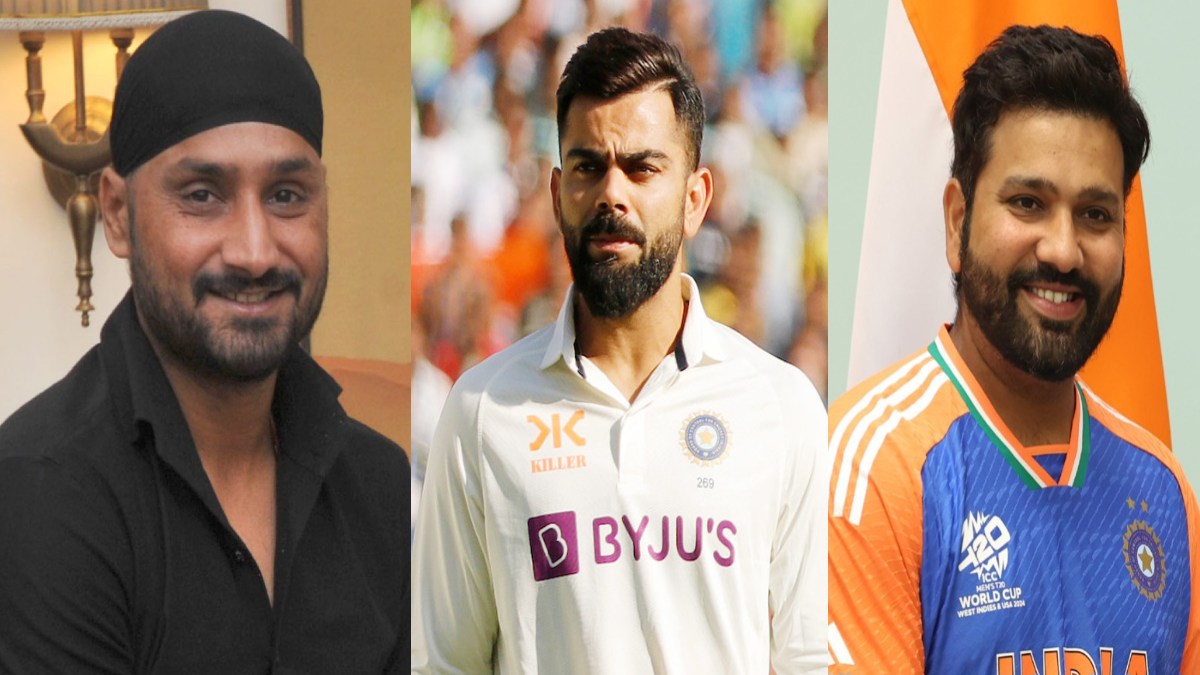
Saying that performance should be the most important when judging experienced players, Harbhajan said when asked about the debate going on about their age, “If Rohit and Virat are scoring runs, why should we look at their age?” His comment has once again put the future of the great veterans of India in the spotlight.
Rohit and Virat are two of the most followed Indian cricket players in that the two have had enormous international careers, and both have been on the rise for so long in Indian cricket. But as they have been on the decline in their career, age, workload, fitness, and their chances of being selected in the national team have come to the fore.
Harbhajan’s comments make a very simple point: Cricket is a performance game. A batter who continues to contribute consistently with the bat can make a strong case for selection, regardless of age. Experience does not necessarily make a player less effective as long as you have the ability to perform when it matters most to the team.
Both Rohit Sharma and Virat Kohli are among the most accomplished modern-day batters in India. Their records in international cricket have made them two of the most recognizable names in the sport. Over the years, they have been instrumental in India's success in different formats and have gained huge experience in international cricket.
But the age debate is growing in magnitude as modern cricket puts more pressure on players. International tours for long tours, home games, and travel around the world are not an ordinary thing to do. The physical and mental fatigue of players in the mid-teens grows more and more difficult to achieve. Teams have to balance experience with developing younger players who can be part of the future of Indian cricket.
Harbhajan’s statement directly challenges the idea that age should be the determining factor in a player’s future. His point is that runs should be taken more seriously. If Rohit and Virat continue to perform well, then the selection should be based on the contribution they make to the team rather than the number of years in professional cricket.
Such a strategy is not new to international sports. Some of the best cricketers have played at the highest level long after the age at which most of the younger cricketers start playing in international cricket. Experience can bring advantages that statistics can’t explain. Senior players know pressure situations and strategies of the opponent, the different playing conditions, and the requirements of big tournaments.
Experienced players are also very important for India as well outside their individual scores. Young members of the squad can learn from the senior cricketers in training sessions, team meetings, and games from the experience of senior cricketers. The wisdom of experienced players to guide teammates in big games in a situation like this at high-pressure international competitions can be very beneficial for them.
Rohit and Virat have been playing against the world's top bowling attacks for years now. They have faced different generations of bowlers, tackled varying circumstances, and faced the demands of representing India, and so they know international cricket well and therefore have a good grasp of it.
At the same time, the discussions on their future will not disappear just because they perform. Indian cricket has a deep pool of young talent, and the selection panel must consider how these players can be integrated into the senior side. The challenge is to make sure the transition between generations is seamless and the team’s immediate competitiveness is maintained.
As Harbhajan notes, selection should be merit-based. If a senior player is scoring runs, continuing his fitness, and helping his team to victories, then there is a strong argument to keep him in that team. Conversely, if performance drops drastically, selectors will have to make tough decisions, whether it is reputation or past results.
Old age and reputation should not be considered in isolation. Cricket selection is not only about how old a player is but also who that player is, how to perform, team balance if the team is to be combined, and how they would be in preparation in the future. Age can be one element that is part of it, but it is not the whole picture.
Rohit and Virat have gone through different phases in their careers too. At times when form questions of longevity dominated the discussion, they have answered in their careers and came up with good performances. Being able to adapt their games over time has also been a key to their longevity.
But for fans, such debate is very emotional. Rohit and Virat are the epitome of Indian cricket. To the fans, they have been rising from the ranks of the young international players into senior players and leaders of the team. So, to talk about their retirement or eventual departure from international cricket carries a lot of weight.
Harbhajan’s intervention will appeal to supporters who believe that senior players should be allowed to decide their future based on performance and fitness. And that’s also true of professional sport generally: players should be judged in terms of what they can contribute in the present and not just what they can contribute in the future based on their age.
The comments also raise a good question about how cricket teams should handle generational transitions. Replacing the world’s best players too quickly will lead to the loss of experience, and retaining veterans for too long will limit the opportunities for emerging talent. Finding the right balance is one of the most difficult tasks for selectors and the team management.
India’s cricket system has produced excellent young players, so competition for places is intense. This is good for the national team as established players are given an incentive to keep performing, and younger players are also encouraged to develop and compete for selection.
Harbhajan's message for Rohit and Virat is simple: performances speak louder than birth dates. If they continue to score important runs and remain physically capable of meeting the demands of international cricket, there is a case for considering them on merit.
Both players have already achieved remarkable milestones. Their careers have seen major international wins, individual records, and performances in all kinds of sports. Their experience gives them a perspective that younger players are still developing.
Harbhajan Singh EXCLUSIVE | Full Video: “If Rohit and Virat are scoring runs, why should we look at their age?”
— Press Trust of India (@PTI_News) August 13, 2026
Former India cricketer and Rajya Sabha MP Harbhajan Singh (@harbhajan_singh) speaks candidly about Virat Kohli (@imVkohli) and Rohit Sharma’s (@ImRo45) cricket, the… pic.twitter.com/ZB8yNBzXcy
However, the final decision of selection will always rest with the relevant cricket authorities and team management. Harbhajan’s statements are his and do not impact future selection of the team.
Rohit Sharma and Virat Kohli: The debate is one of change in Indian cricket. The current generation of players is coming together, and two of the country's biggest stars are still in the headlines. And then the question will come about how old, how old, how old, and how long will they be.
For now Harbhajan Singh’s point is very straightforward: if Rohit and Virat continue to score runs and contribute to the team, age alone should not be used as the reason to look beyond them. The debate is likely to continue, but their performances on the field will be the strongest evidence in determining how long their international careers can continue.