The Asian Games have ended and so has the conversation around Indian sports beyond medals and podium wins. Each big game is a celebration, and there are questions about preparation, infrastructure and athlete support and the systems that make it possible to develop sporting talent.
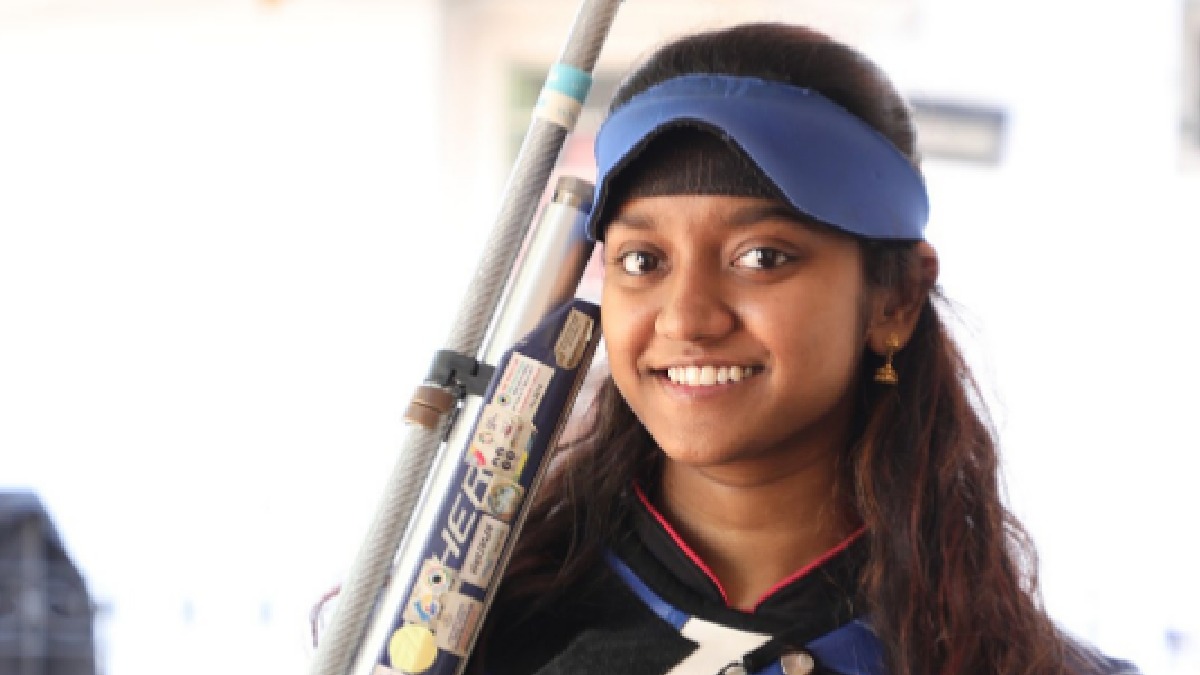
The cycle is familiar for athletes: train, compete, deal with the result and go on to prepare for the next challenge. And in the whole process is a wider ecosystem as well: coaches, families, administrators, facilities, government support.
Narendra Modi's role in India's sporting career has been reflected in the story of a sportsperson who says he’s seen that engagement at different stages of their career. The story goes back in time to Gujarat (where Modi was Chief Minister) to his years as prime minister and the local grassroots participation and support of athletes who compete at the highest level.
The sportsperson recalls his first encounter with Modi when Khokhara Sports Complex in Ahmedabad was opened. The athlete was still a child with an ambition to pursue sport. That first meeting made it a memorable one and it was at the time when the dream of representing India was still only a small possibility.
Two years later the two met again ahead of the Tokyo Olympics. Modi remembered that the athlete lived in Maninagar -- a city he represented -- and asked about the availability of sports facilities there. The athlete says the conversation took place at an important time before the Games and gave him encouragement while preparing for the Olympics.
The interaction continued after Tokyo. The athlete recalls that the Olympic experience had not been a good one, but the message was to keep the good side of things and work hard and not to give up on the country.
Sports results can define the public perception for athletes but training and preparation take years, including failing, injury or selection and difficult matches. And so encouragement post disappointment is a key part of an athlete’s experience.
The article also cites Khel Mahakumbh in Gujarat as an example of an effort to increase participation in sport at grassroots levels. The programme provided children with the opportunity to compete in organized competitions and gave them a more extensive perspective on sports that went beyond the traditional ones.
That talent can't be identified until children get to play and compete and be noted; and the idea was that talent is never discovered unless it is discovered by children.
That approach was also reflected at the national level with Khelo India. According to the government data, more than 63,000 athletes have participated in Khelo India Games since 2018. The programme has now spread to youth, university, winter, para, beach, water sports and tribal competitions.
As of a recent government factsheet, 1,067 Khelo India Centres and 267 academies had been established in India, and 349 infrastructure projects worth ₹3,176 crore had been approved.
The focus is not only on participation. Elite athletes also receive support through the Target Olympic Podium Scheme (TOPS). According to the latest government figures, TOPS supports 51 Core athletes, 52 Para Core athletes and 130 Development athletes. This includes coaching, equipment, training and competition exposure.
Such support for athletes and their families can be very meaningful. International preparation involves specialised equipment, overseas camps, coaching, sports science and competition travel costs. Government-backed programmes can help alleviate some of that financial burden and help athletes concentrate on preparation and performance.
The sportsperson also recalls closer interactions with Modi around big international competitions. One of those memories is the Paris Olympics where the conditions in the Games Village were said to be very hot.
Portable air conditioners were provided for Indian athletes, and the issue was then recalled in a conversation with the prime minister. Such details can matter to athletes because they signal attention to problems that exist outside of the competition arena.
Another part of the report is Modi’s interactions with India’s hockey teams after the Tokyo Olympics. The men had won a bronze medal but the women’s team had narrowly missed a podium finish.
The athlete recalls the message to the women’s team was positive, which was good and it helped them overcome disappointment. Such moments are emblematic of a larger point about a sport in general: success and failure can be separated by a few inches, and athletes typically spend years preparing for one event.
This article also highlights the visibility provided to athletes through such platforms as Mann Ki Baat, as well as in public recognition of women athletes and para-athletes. Greater visibility can help bring attention to sports that get less attention and also attract young people to athletes from other disciplines.
At the policy level, India has been expanding its sports infrastructure and athlete-support ecosystem. According to government figures, the Khelo India programme today has thousands of athletes, centres and infrastructure projects, while TOPS provides targeted assistance to athletes preparing for major international competitions.
The next phase of India’s sporting ambitions will require sustained work across multiple areas: grassroots identification, coaching, sports science, medical support, competition exposure and high-performance training.
India has also expressed ambitions around hosting the 2036 Olympics, so the development of a wider sporting ecosystem is an important part of its long-term sporting conversation.
The personal journey described in the article starts with a child visiting the Khokhara Sports Complex and dreaming of becoming a sportsperson. It then goes to Olympics and representation of India on big international platforms.
And that’s the point: sports development isn’t just about what happens on competition day. It’s about having the opportunity, facilities and support to see how far they can go.